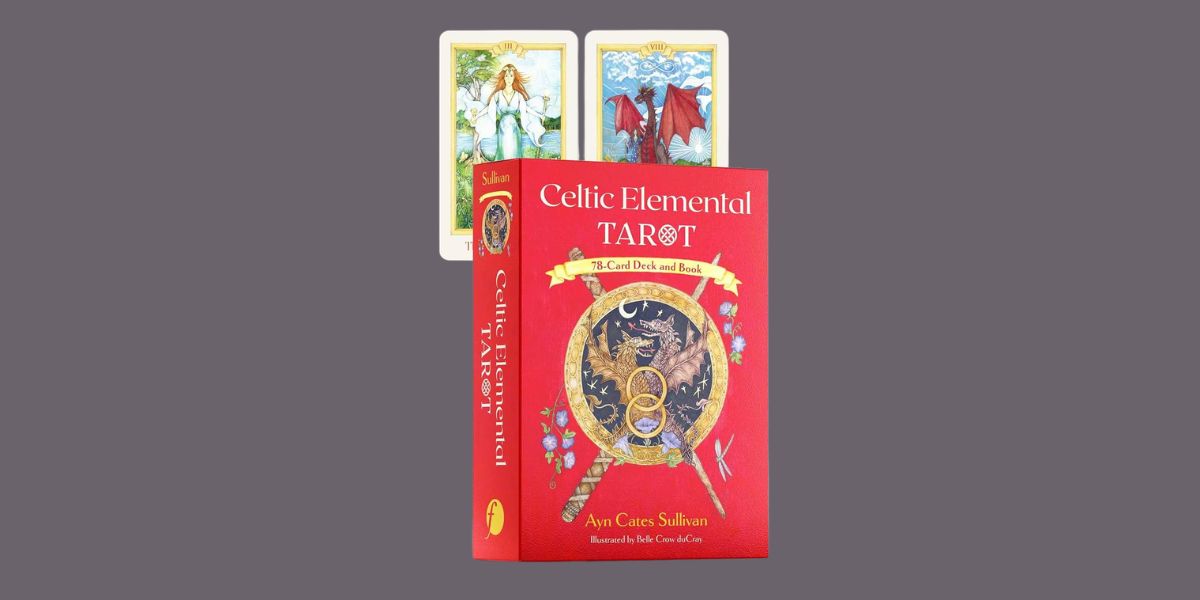
Celtic Elemental Tarot, by Ayn Cates Sullivan and illustrated by Belle Crow duCray
Findhorn Press, 979-8888502808, 320 pages, December 2025
Ayn Cates Sullivan’s Celtic Elemental Tarot, beautifully illustrated by Belle Crow duCray, is a richly layered and thoughtfully crafted deck that offers far more than a standard tarot experience. Rooted in Celtic mythology, Arthurian legend, elemental wisdom, and spiritual symbolism, this deck invites readers into a living world of mystery, landscape, and sacred imagination. It is both a divinatory tool and an immersive journey into one of the most enduring spiritual and mythic traditions of the Western world.
From the moment the box is opened, the care and craftsmanship behind this set are evident. The presentation is elegant and substantial, with a sturdy lift-top box that feels designed for long-term use rather than disposable novelty. Inside, the deck is housed with intention and visual beauty, creating the sense that one is opening a treasured keepsake rather than simply another card set. The cards themselves are printed on quality cardstock with a satisfying weight and finish, durable enough for regular readings while still easy to handle and shuffle.
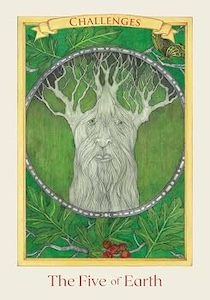
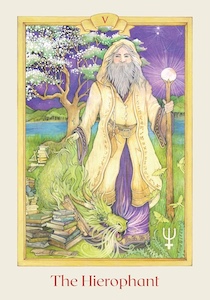
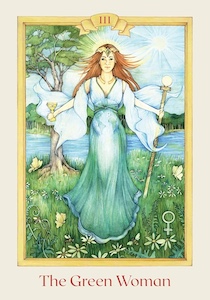
One of the most striking aesthetic choices is the use of bold white borders around the artwork. In many decks, borders can feel distracting or unnecessary, but here they serve an important visual purpose. They frame each image like a sacred icon or illuminated manuscript panel, allowing the artwork to stand out with clarity and reverence. The contrast between the vivid illustrations and the clean white space gives each card a timeless, gallery-like quality. Rather than limiting the images, the borders elevate them.
Belle Crow duCray’s artwork is one of the great strengths of this deck. Rendered with grace, symbolism, and meticulous attention to detail, the cards are filled with natural beauty, mythic presence, and spiritual atmosphere. Animals, plants, landscapes, seasonal cues, and sacred objects all contribute to a visual language that feels deeply connected to the land and to the unseen worlds of Celtic lore. The illustrations are not merely decorative—they are initiatory. Each card contains layers that reveal themselves over time, rewarding repeated use and contemplative study.
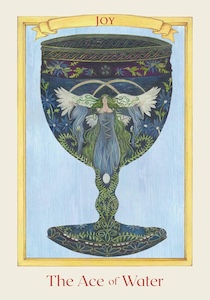
Especially impressive is the subtle integration of astrological symbolism throughout the deck. Rather than mechanically repeating familiar esoteric correspondences, the creators have reimagined these associations in ways that better reflect the card meanings and the Celtic worldview. This gives the deck an originality that feels intelligent rather than arbitrary. It demonstrates a willingness to honor tradition while allowing it to evolve through another cultural lens. Readers interested in astrology, symbolism, or comparative esotericism will find much to appreciate here.
The structure of the deck also offers fresh insight. While remaining recognizable to tarot readers, the system expands the Major Arcana into categories such as allies, challenges, virtues, and cosmic forces, while the Minor Arcana follows the elemental suits of Earth, Air, Water, and Fire. This elemental framework feels especially natural within a Celtic context, where land, weather, seasonal cycles, and the powers of nature are central to spiritual understanding. The result is a deck that feels coherent, purposeful, and alive.
Sullivan’s guidebook deserves special praise. At 318 pages, it is substantial enough to function as a standalone spiritual text in its own right. Far more than a booklet of keywords, it provides mythological background, symbolic interpretation, practical guidance, and multiple card spreads that encourage ongoing exploration. The inclusion of varied reading methods makes the deck highly usable for both beginners and advanced practitioners. Whether one seeks a daily draw, deeper pathworking, or a more ceremonial spread, the book offers meaningful ways to engage.
What makes Celtic Elemental Tarot particularly compelling is the depth of its atmosphere.This is not a superficial “theme deck” that borrows Celtic imagery for decoration. It feels informed by genuine reverence for the mythology, history, and spiritual imagination behind its source material. There is a palpable sense of place throughout the deck—the hills, forests, waters, and ancient stories of the Celtic lands seem to breathe through the cards. For those with ancestral ties to these traditions, the experience may feel especially resonant. For others, it offers an inviting gateway into a wisdom path centered on nature, courage, sovereignty, and sacred relationship with the world.
This deck will appeal to tarot readers, pagans, myth enthusiasts, spiritual seekers, and anyone drawn to earth-based traditions. It is equally suited for divination, meditation, seasonal ritual, and devotional practice. It adds depth to readings not by complication, but by richness—bringing history, symbol, and spirit into meaningful conversation.
Overall, Celtic Elemental Tarot is a stunning achievement. It is beautiful in construction, profound in symbolism, generous in teaching, and deeply evocative in spirit. Few decks manage to feel this expansive while remaining practical and accessible. For anyone seeking a tarot deck infused with mythic intelligence, natural spirituality, and artistic excellence, this is a remarkable and welcome addition to the tarot world.

Brett d’Arras is an astrologer, tarot reader, and educator with over 30 years of experience in metaphysical sciences. Specializing in astrology and astro-herbalism, he blends planetary wisdom with holistic practices to guide clients and students. A dedicated writer and content creator, he has spent over 15 years crafting educational materials on astrology, tarot, and spiritual development. He also hosts Beyond the Zodiac, a podcast and YouTube channel exploring astrology, herbalism, and cosmic insights for personal and professional growth.