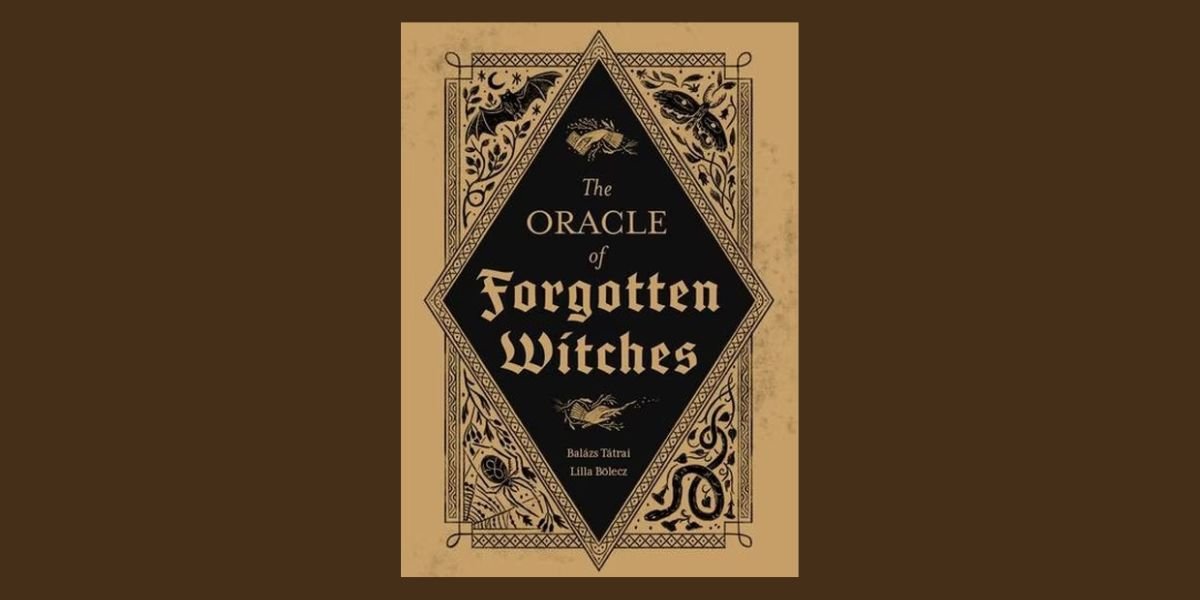
The Oracle of Forgotten Witches, by Balázs Tátrai with illustrations by Lilla Bölecz
Watkins Publishings, 978-1-83681-042-1, 192 pages, 60 cards, August 2026
There is something deeply compelling about potent magic of the past. The Oracle of Forgotten Witches by Balázs Tátrai and illustrated by Lilla Bölecz, invites readers to encounter tales of mystery, exploring the enduring relationship between witchcraft, folklore, and magical power.
This deck expands upon the content introduced in Tátrai and Bölecz’s earlier collaboration, The Book of Forgotten Witches: Dark and Twisted Folklore Stories from Around the World. While familiarity with the original book can enrich the oracle experience, the deck offers its own system for exploring these figures through personal reflection and creative storytelling, so you can definitely work with it individually.
The structure of the deck is quite interesting. The 60 cards in the deck are divided into 10 suits: Curse-bringers, Shape-shifters, Survivors, Avengers, Mesmerizers, Well-wishers, Alchemists, Revenants, Nature Witches, and Fate-turners.
The guidebook details the general energy of each type, noting how Mezmerizers “See through every trick, even those you use to deceive yourself.”1, while Nature Witches help readers to “Find your pace in the intricate web of nature and society.”2.
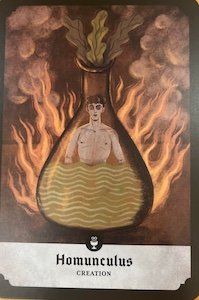
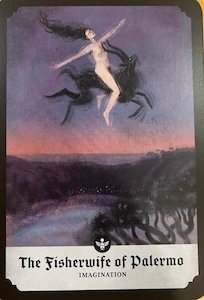
Then within each of the 10 suits, there are 6 cards: witch, familiar, spirit, deity, magical item, and magical place. You can tell which the card is from by looking at the symbol on it. The cards also feature a keyword too, which is helpful for learning to read with the cards.
And in case the variety of suit types didn’t tip you off, this deck has a range of energies! This makes for some elaborate readings that don’t shy away from darker elements. The Oracle of Forgotten Witches makes room for vengeance, curses, death, and other unsettling aspects of folklore. This provides an opportunity to engage with the complexity of magical traditions rather than reducing the witch archetype to a purely comforting or nurturing presence, which OFTEN happens with oracle decks, so I really enjoy working with it for this reason.
Bölecz’s illustrations beautifully complement this darker atmosphere. Her artwork brings to life through visual language enchantment, mystery, and hidden realms. The cards feature richly atmospheric colors, intricate details, and a distinctly gothic vibe. The black borders and black-edged cards further contribute to the deck’s shadow element, inviting all energy into the oracle conversation, not just the bright and shiny aspects of witchcraft.
It’s very cool how the imagery extends beyond portraits of witches to include mythical creatures, spiritual beings, enchanted objects, and fantastical landscapes. This diversity encourages readers to consider how the setting, symbolism, and accompanying keyword of each card contribute to its message. Additionally, the illustrations serve not only as visual representations of the stories they’re related to but also as imaginative starting points for personal interpretation or storyweaving (more on this to come).
As for the guidebook, Tátrai offers an amazing balance of esoteric knowledge and spiritual guidance. Each entry shares the category, key words, an overview of the historical relationship the card has to witchcraft (whether it’s how an item is used or the mythological origins of a tale), a whisper from the card, which is as though is it speaking directly to the reader, and finally reflection questions. While I haven’t read The Book of Forgotten Witches, it seems like Tátrai has done a great job distilling and condensing vital information and transforming it into oracular guidance.
Tátrai also includes various spreads readers can do with the deck. In addition to the standard one-card and three-card readings, she also shares Hecate Spread and Magnum Opus Spread. The latter is very interesting because it uses a card from each suit to lead readers through the alchemical process of transformation. The final spreads are focused on storyweaving, both individually and collectively.
And I think the storytelling element is my favorite aspect of this deck! The Storyweaving Spread that encourages readers to create their own folktales using the characters, objects, and places depicted on the cards. By examining the narratives that emerge, readers can explore the symbolic connections between the stories they create and their personal experiences. Through its combination of storytelling and symbolism, it offers an opportunity to reflect on what these elements of witchcraft might reveal about your own relationship with intuition, autonomy, and the unseen. There’s even a spread for collective storyweaving, which I look forward to doing with friends!
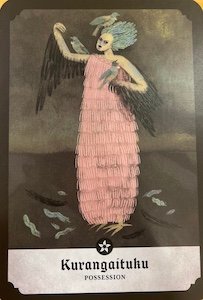
When using the cards for storyweaving, you get the chance to imagine yourself on a journey, encountering the cards and developing your own sense of how they fit together. Is Spinning Wheel an opportunity for rebirth or something to avoid pricking your finger on? Is your encounter with Deer Woman meant to help you embrace your wild nature or lead you down a path of seduction? While you can go by the guidebook definitions, it’s also an opportunity to expand your senses and practice discernment: what do you feel the energies and the tale being told?
Here’s an example of a storyweaving I recently did:
My first encounter was with Sirona, a well-wishing deity, who offers vitality by connecting to the life source, encouraging natural medicines like laughter and water to boost one’s overall health and well-being. I felt immediately rejuvenated when I pulled this card, especially because I had felt a little melancholy and out of sorts. It was a sign that following my intuition to take the magical path was giving me the restoration my soul needs.
Believe it or not, the second card I pulled was The Sibyl’s Grotto, also within the suit of well-wishing, though this is a magical place. It felt amazing to venture further into this healing journey to enter such a sacred space, especially since I specifically went to my special spot for solitude (my favorite Barnes and Noble cafe) in order to have some alone time to refresh my energy.
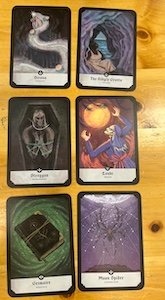
BUT ALAS, here in the grotto, I encounter Strzygon, a vampiric spirit from Polish folklore that indicates too much attachment to material things and people. Alone, I must reflect on these unhealthy attachments draining my energy and rectify them. I am grateful for the extra vitality that Sirona has given me and the healing properties of Sibyl’s Grotto during this process,
Here, Louhi, a Finnish deity filled with wrath, comes to show how I can use my anger constructively to sever these ties. She reminds me that it’s okay to speak up for myself and anger can be a reminder of where my boundaries have been over-stepped. As I release a primal scream, bringing forth all that I’ve held inside, suddenly a magical object appears before me: Grimoire.
The Grimoire is filled with spells from my heritage, reminding me of the special knowledge passed down through time that links me to those who have come before and those who will come after. I am but one link in a long line of ancestry, never alone yet still with my own unique purpose.
With this revelation, I am graced with the presence of a new familiar: Moon Spider. The guidebook reminds me, “We can’t escape all the hardship in our lives by shutting ourselves off from the world completely. Some form of human interaction is vital for our mental wellbeing. To grow as individuals, we need to express ourselves, share ideas and listen to others.”3
This storytelling session showed me that I can regain my vitality by taking time for myself in healing spaces to do the inner work of examining my attachments and where I might need to speak up more, express my true feelings, and address imbalances by acknowledging my anger. I have the resources and spells needed to do this with sovereignty. When I am ready, I can remerge to communicate and connect again.
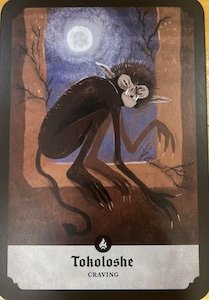
Overall, The Oracle of Forgotten Witches offers an imaginative exploration of the witch archetype, bringing together the wisdom of folklore, the symbolism of alchemy, and the transformative potential of storytelling. Tátrai’s narrative approach and Bölecz’s atmospheric illustrations create a richly developed magical world that encourages readers to engage with all aspects of witchcraft. For those drawn to the mysterious figures who inhabit the magical margins of history and mythology, this oracle provides an intriguing opportunity to encounter their stories and discover what they might illuminate within our own lives.
I recommend this deck to those interested in mythology, folklore, shadow work, and storytelling. Its layered structure and accompanying stories make it especially suited for those who want to learn more about cultural narratives and historical experiences that have shaped our understanding of the witch. Connecting with figures associated with curses, survival, vengeance, and transformation, alongside healing, connection, and inner wisdom makes for a comprehensive reading.

Alanna Kali is an astrologer, numerologist, and pioneer spirit that loves to explore life through the lens of depth psychology. She has a passion for studying the humanities and social trends. Her academic work is centered upon reuniting body, mind, and spirit through eco-psychology. She loves reading, spending time in nature, and travel.