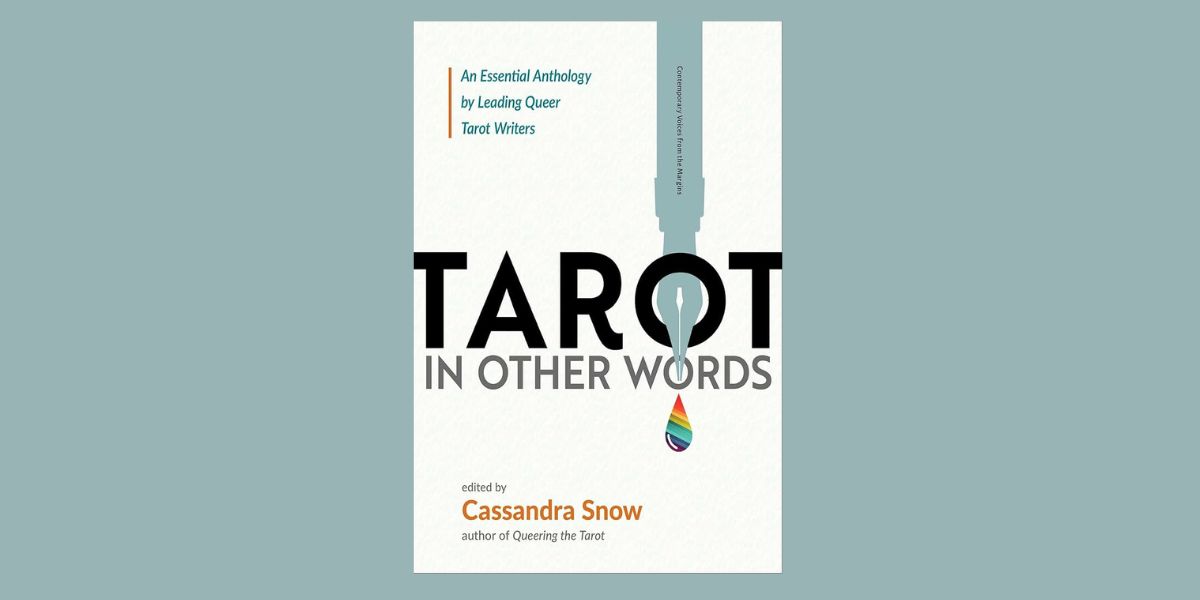
Tarot in Other Words: An Essential Anthology by Leading Queer Tarot Writers, edited by Cassandra Snow
Weiser Books, 1578638445, 208 pages, May 2025
As a professional tarot card reader and teacher, writer, and theatre maker, Cassandra Snow is well versed in the art of creating. In this book, Tarot in Other Words, Snow has pulled together well-known queer Tarot writers with a view to showcasing their unique perspectives on tarot through essays.
The introduction is robust, with many pages devoted to Snow talking about the hows and whys of matching tarot with queerness and providing historical links between the two. She explains, saying:
“This isn’t a history book, but I do want to bring some lesser discussed history and trivia to the table that ties queerness and tarot. One of the biggest reasons I think of tarot and queerness together is this: for a lot of cultures, such as the Romani and other oppressed groups forced into nomadic lifestyles, fortune-telling using cards and other tools was and is to this day survival work… We take it up for survival, and to feel as free as we can while we earn money to survive.”1
Snow’s dedication to showcasing queer writers in the realm of tarot is both timely and necessary, as queer voices in any context are currently undergoing a type of censorship. I’m not going to delve into my personal feelings on that topic specifically as it has no place here, but one could take my writing a review about queer voices as a hint as to where my allegiance falls.
The anthology separates essays into two sections: in part one, we read writings about “Finding Ourselves in the Tarot” and in the second part, the writings are focused on “Finding the Tarot in Ourselves”. Snow says that she found the essays received “…fell into one of two camps: personal storytelling that highlights the powerful ways tarot can move through and transform us, and instructional materials highlighting techniques and opportunities for you to look at tarot in new and inclusive ways… Even that attempt at classification and noticing the overlap plays with the theme of fluidity, being, and what we owe to each other that are so important in both queer and radical theory.”2
Nothing excites me more in the realm of tarot than learning how others use the cards and interpret them. Of the dozens of books I have on the subject, there are a few that I consistently reach for. Snow’s book, with this amazing collection of insights and personal experiences with the cards, has been added to that short list. “The High Priestess as Black Femme Memory” by Junauda Petrus is a beautifully sensual piece devoted to the High Priestess, one of my favorite cards, and after reading it, I don’t think I will look at that card the same way. *fans self*
There are spells, card spreads, recipes, and meditation prompts. There is an in-depth how-to on building altars and suggestions on what could be included on that altar. There is an essay by Maria Minnis that links lichens with tarot, specifically the suit of Cups, and uses the symbiotic nature of lichen as a focus to illustrate how everything is connected. This book is an absolute feast for the soul and opens the cards up to new ways of thinking and viewing ourselves, no matter who/what we identify as. I have never felt so seen as I was reading this book.
I love the variety of voices in this collection, and the different ways they approach the cards. The idea of reciprocity within the craft of reading tarot is something I haven’t seen discussed so thoroughly before. The essay “Queering the Numbers” by Meg Jones Wall is one of my favorites as she tackles the heteronormative system of numbers as applied to tarot. In this essay, Jones Wall takes the reader through the usual numerology meanings and expands on them, inviting the reader to look deeper and challenge the typical meanings of the numbers. This was definitely one of the more jarring parts of this book, as I realized I was still subscribing to the traditional numerological concepts as it refers to the minor arcana. This essay gave me an opportunity to explore what information I already possessed was still relevant for me as a reader in this context, while making space for new interpretations and meanings.
Whether you identify as queer or not, if you read tarot, pick up Tarot in Other Words. There is literally something for everyone in this collection of essays and the different viewpoints illustrated within make this a fascinating read.
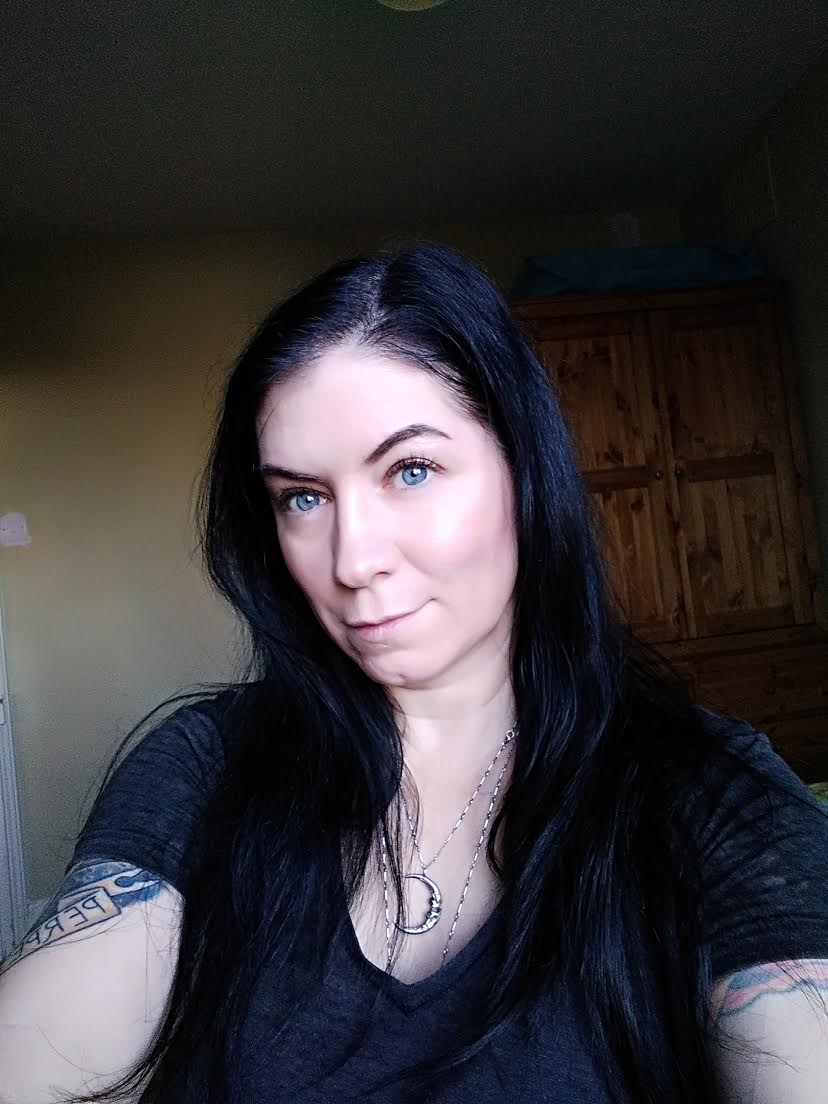
Sarrah October Young is a writer and practising witch who wished she could do stand-up comedy. When she isn’t writing or witching, she can be found posting about her cats on IG @therealoctober.