✨ A Gathering Place for Magical Readers and Writers ✨

Tag Archives: oracle deck

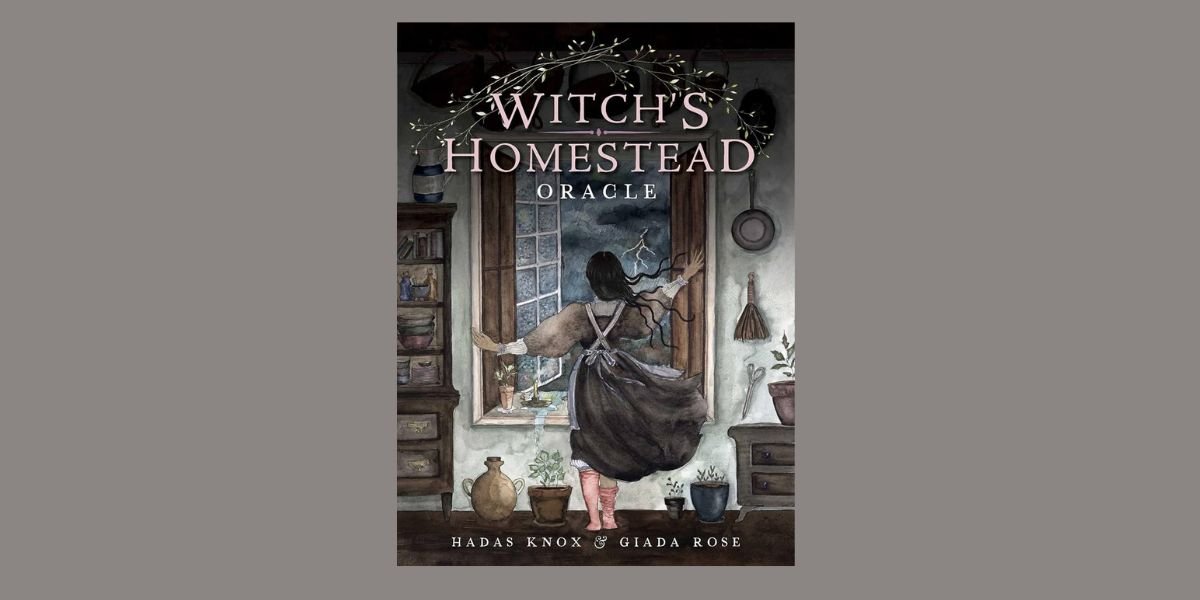
Witch’s Homestead Oracle, by Hadas Knox and Giada Rose

Witch’s Homestead Oracle, by Hadas Knox and Giada Rose
Rockpool Publishing, 1922468452, 160 pages, 44 cards, October 2026

There is a particular kind of magic that emerges when the ordinary rhythms of home become sacred: tending a garden, preparing food, watching the seasons shift outside the window, preserving what has been harvested, or simply noticing the plants and creatures sharing the land with us. Witch’s Homestead Oracle by Hadas Knox, with illustrations by Giada Rose, builds an entire divinatory world around this expression of witchcraft.

It’s truly beautiful to tap into this essence, but to be honest, I didn’t know what to make of this deck when I first opened the box. I absolutely love Giada Rose’s illustration style, which is undoubtedly what drew me to the deck. But despite enjoying household magic, I was getting a bit paranoid it had a “trad wife” essence glamourizing the domestic routines instead of liberating the spirit. But the more I worked with this deck, I discovered what this deck really is: a portal to a world where the witch’s spirit is brilliantly alive and thriving in home and hearth, keenly attuned to the rhythm of life, whether it be seasonal tasks, rest vs activity, or creation vs. destruction.
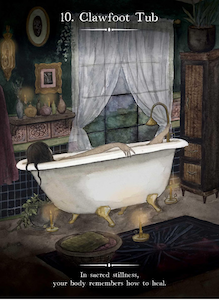
“The homestead is more than sun-dappled routines and kitchen witchery. There is a second life there – quieter, more urgent. After the bread is baked and the jars are sealed, the witch returns to herself. A candle flickers. A journal opens. She writes by the fire, aching and alive. The same hands that gather eggs also ink spells into the margins of well-loved books. This is where outer and inner lives meet, intertwining like ivy across old stone.”1

Allowing myself to slip into this magical landscape, I opened up to embrace the wisdom of this “ever-shifting spirit of time, memory, and season”2 presented in Witch’s Homestead Oracle, which feels like a living magical landscape. This deck feels very fantastical with its mysterious farm, blending cottagecore imagery with themes of nature, domestic life, folklore, and mystery. Yet within the depictions, I still was able to glimpse parts of my own path, living in a small condo in modern day, unfortunately lacking my own Hutch, Livestock, or Secret Staircase.

The Victorian theme also gives the deck an interesting edge, and I feel like I resonated with it more once I understood Knox’s style by looking at her Instagram. First of all, it’s just an incredibly curated profile. She makes the cards’ artwork into very funny and very relatable images, and it was through this way of relating to the cards that I started to feel a connection. Knox is a pretty cool witch, and she’s got her own unique vibe, which is depicted in her eclectic humor and vintage style. Never so much has discovering the creator of the deck given shape to my relationship with it, but to me, this speaks to how imbued it is with her authentic energy.
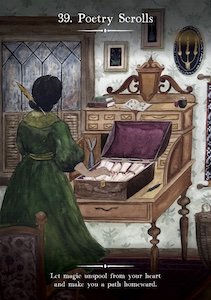
Indeed, this is not bright, whimsical homesteading, such as my initial worry about the “trad wife” element. Knox’s Instagram describes her as a “haunted house dweller” and that essence, of being attuned to the spirits and secrets within the walls, is more aligned with this deck’s energy. That slight darkness makes the concept considerably more interesting. Suddenly, the farm feels less like an idealized escape into rural life and more like a place that has accumulated memories, stories, work, loss, abundance, and mystery over time.

And Rose does an amazing job bringing this atmosphere to life with her illustrations. Her artwork finds special meeting points between nature, femininity, and witchcraft, with the imagery speaking to the way landscapes and homes can themselves function as oracles. The colors are vivid, arresting, and cozy all at once. The textured, painting quality is reminiscent of illustrations in storybooks, leaving plenty of room for the mind to wander beyond the scene at hand.

For the interior home illustrations, the slightly imperfect lines, shadowy interiors, and vintage furnishings give each scene a nostalgic, lived-in feeling to the scenes on the cards. Meanwhile, the images depicting scenes from outdoors bring to life the enchantment of nature, the beauty in the seasons, and magic of the elements. Together, the indoor and outdoor illustrations create a cohesive visual world in which the witch’s homestead encompasses both the sanctuary of the home and the living landscape surrounding it. I also just adore the purple gilded edges of the deck!

As for the guidebook, Knox has a poetic way of bringing to awareness aspects of the inner world readers can explore. Each entry has two parts: the meaning and the story. The meaning section is not overly divinatory, rather Knox poses questions for the readers for further exploration and contemplation.
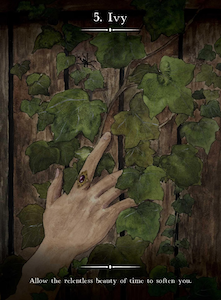
Knox weaves together the special essence of the image on the card, ranging from the Hayloft to Tea Kettle, and conveys their meaning in a comforting, gentle way. This is a great deck for sinking deeper into the present energies at hand, noticing what is bubbling up to the surface for acknowledgement or swirling around you in need of tending. One of my favorites, Nightgown, reads:

“To don the nightgown is to slip into the realm of rest, dreams, and the unique power of liminal time. Sleep is not blankness, but a veil thinned by darkness, where healing stirs and messages rise. What memories, emotions, or energies might your garments hold?”3

Mmm, so potent! Then the story aspect of the guidebook ignites the imagination, aiding readers in putting themselves into the scene. Written in second-person (“you”), Knox brings to life the scents, feelings, and inner knowing that comes through the encounter depicted on the card. Here’s a sample from another card I love, Quill & Ink:

“Quill scratches and worn wood notwithstanding, your writing desk is sacred. You’ve placed it beneath the dormer window, which always catches a cool breeze and the most golden morning light. An inkwell rests atop your desk, beckoning like a dark mirror. Pages are everywhere: half-written sheets beside the inkwell, discarded drafts curled on the floor, some crumpled in frustration. Your cat has made a bed of them, purring softly among stacks of unshelved books.”4

Transport me, please! Because my reality is a hyper toddler shouting and jumping on the bed, while my happy baby babbles and tries to get up to join her brother. For a few delicious minutes, this deck brings me into a different world, allowing a special part of me a reprieve as it sinks into the delicately crafted homestead of Knox and Rose. I love all the realms this deck moves me through.

Overall, Witch’s Homestead Oracle offers a vision of witchcraft rooted in a solitary connection to the rhythms of nature and features of the home life: the feeling of the sunlight or moonlight shining in the window, the plants that need picking or cooking or canning, the festivities or responsibilities of daily life. Most of all, this deck is a way to reconnect with the inner witch within who tracks these patterns, even if subliminally, in the modern world, and needs a moment to pause, breathe, and embrace these liminal places created for our spirits to rest, contemplate, and rise again from.

For witches who find magic in gardens, kitchens, creaky stairs,  jars on pantry shelves, herbs drying from rafters, and the quiet repetition of everyday rituals, this is your type of oracle deck! And even if you don’t typically consider yourself a homey witch, such as I initially felt, the magic of immersion is powerful with this deck. You might not initially recognize yourself in its imagery, but I feel confident that you’ll discover new aspects of yourself in the unfolding scenes. I will continue to return to this deck for daily card pulls, journaling, altar work, and sabbat celebrations.

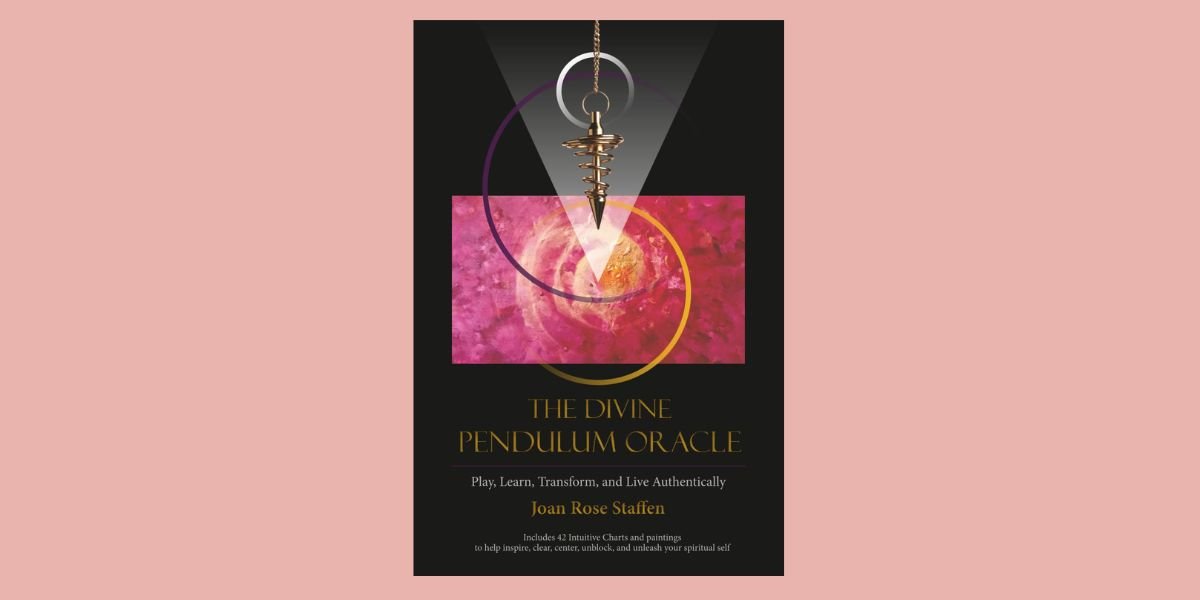
The Divine Pendulum Oracle, by Joan Rose Staffen

The Divine Pendulum Oracle: Play, Learn, Transform, and Live Authentically, by Joan Rose Staffen
Independently Published, 979-8307160886, 156 pages, 42 cards, July 2026

For those who have ever been intrigued by pendulum divination but felt uncertain about how to move beyond basic yes-or-no questions, Joan Rose Staffen’s The Divine Pendulum Oracle: Play, Learn, Transform, and Live Authentically offers a welcoming way to deepen the practice. Blending pendulum work, intuitive development, spirituality, creativity, and colorful artwork, Staffen creates a system designed not simply to provide answers, but to encourage readers to develop a more active relationship with their own inner guidance.

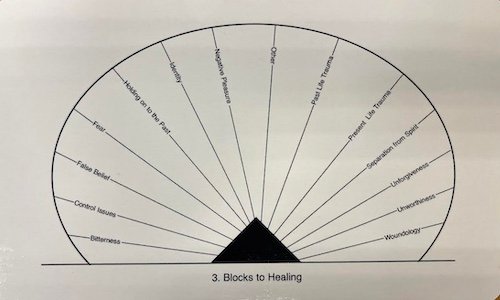
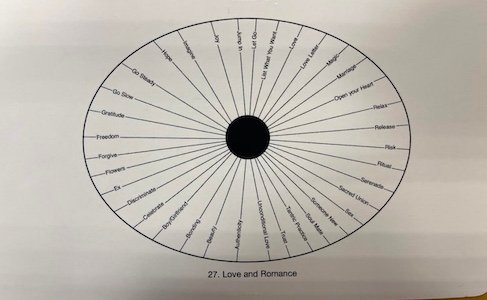
This oracle is composed of 42 Intuitive Charts cards created to be used alongside a pendulum. Rather than limiting pendulum work to binary yes-or-no responses, these charts allow practitioners to explore a broader range of possibilities and questions relating to healing, creativity, work, spiritual development, and everyday life. Staffen presents the pendulum as a tool for accessing intuition and higher consciousness, with the charts acting as a framework that helps give that intuitive exploration direction and structure.

The charts are very specific too, which is GREAT for uncovering insights. Staffen has really provided a variety of ways to enhance your divinations with the pendulum, which can feel surprisingly open-ended if you’re not sure how to guide it. Learning what to ask is often just as important as learning how to read the movement itself. Staffen’s chart-based approach helps bridge that gap. Instead of staring at a swinging pendulum and wondering where to go next, readers are given a method that encourages curiosity, experimentation, and increasingly nuanced questions.

Here’s a list of some of the pendulum charts she provides with a few items on the chart (there’s many more options for each one covered below):

∙ Support Team (Family, God, Goddess, Psychic, Sponsor, Teacher, Therapist)

∙ Self Care (Dance, Books, Be Still, Yoga, Support Group, Music, Personal Inventory)

∙ Enhancing Psychic Skills (Mentor, Journal, Gratitude List, Pray, Record Dreams & Analyze, Altar)

∙ Psychic Identity (Clairaudient, Diviner/Dowser, Mystic, Witch)

∙ Flower Essences (Borage, Circus, Tomato, Violet, Olive)

∙ Creative Blocks (Fear of Failure, Past Life Trauma, Lack of Time, Addiction)

∙ Vitamins and Minerals (Healthy Goods, Vitamin C, Calcicum, Iron)

There’s just SO MANY detailed charts that my readings have gotten incredibly accurate with the pendulum.

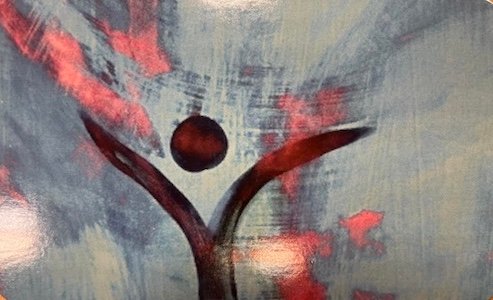
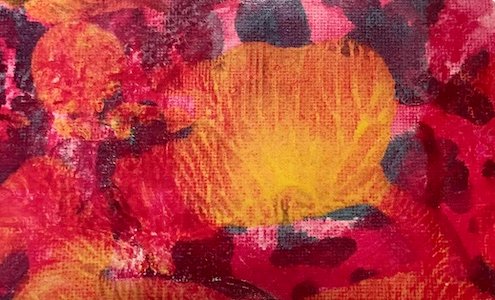
Another thing I absolutely love is the design of these cards. Staffen’s colorful paintings are integrated throughout the deck, featured on the back of each card, giving the system a lively, expressive energy that distinguishes it from more technical books on dowsing. She has described painting as deeply connected to her own spiritual and creative process, and that relationship between art and intuition becomes part of the philosophy behind the oracle itself. I love how you can flip the card and discover yet another way to connect with the card by gazing at her gorgeous abstract art and tuning into the energy it evokes.

Her accompanying guidebook introduces each card’s topic and painting. Staffen also shares some wisdom related to the topic, along with the opportunity and challenge present, action to take, and questions to ask, if you’re not sure how to approach the chart.

The guidebook also shares information about using the pendulum in general, such as where to purchase one or how to make it yourself, centering yourself, and spiritually preparing for the experience. If someone is not sure which chart to begin with, there’s even a list that one can use the pendulum on to decide. And the real bonus is that ALL the charts featured in the beautiful cards are also included in the book too!

While many of the charts cover deeply personal and spiritual topics, there’s a sense of play and creativity to the deck that makes it very inviting. Spiritual development can sometimes become overly serious, with practitioners worrying about whether they are receiving the “correct” message or interpreting a sign properly. Staffen instead encourages experimentation. Learning the pendulum becomes an ongoing conversation that can evolve as the practitioner becomes more comfortable with asking questions, recognizing patterns, and trusting their responses.

I also like how this method encourages strengthening your connection to inner guidance rather than simply predicting outcomes. There’s a lot of room for people to personalize the guidance they receive and take actionable steps in their life to make use of what comes through in the reading. Staffen encourages readers to use the practice for daily guidance, self-reflection, creativity, spiritual connection, and helping themselves recognize potential solutions to challenges instead of following it with deterministic information.

Staffen’s focus on higher consciousness, placing the practice within a spiritual worldview rather than presenting the pendulum merely as a decision-making device, also brings a special energy during the readings. This emphasis reflects her larger body of work. An author, artist, psychic healer, and intuitive coach, she has spent decades exploring practices that include pendulum divination, meditation, energy work, and other spiritual healing modalities. The Divine Pendulum Oracle feels like a culmination of those interests, bringing together divination and creativity in a particularly visual form.

For those who often turn to tarot or oracle cards, this method of hands-on divination is a great way to switch up your style. The targeted answers in the chart are A TON of fun to do with a friend or partner. My husband and I have enjoyed using the charts when we need clarity, guidance, or to just open up conversation. We loved discovering our psychic identities! And we also enjoy the Love and Romance Chart, which has things like Bonding, Trust, Tantric Practice, Let Go, Risk, and Open Your Heart on it to provide some insight on what we might want to explore next in our relationship. The charts are definitely a wonderful conversation starter! I could see them also being amazing for group bonding exercises too.

One of my favorite charts in the deck is Prosperity Problem Solving. The top of this chart lists obstacles (Anger, Unworthiness, Inertia, Lack of Passion about Life), while the bottom lists solutions (Positive Attitude, Meditation, Books, Forgiveness, Affirmations). I think this dual-sided chart is  a great way to hone in on what the true issue is when it comes to our abundance.

Overall, The Divine Pendulum Oracle aids readers in cultivating an ongoing practice of asking, listening, experimenting, and discovering. The pendulum becomes a focal point for a larger process of self-inquiry that invites the practitioner to consider what their intuition may already be trying to communicate. Staffen reminds us of the value in approaching divination with openness and curiosity, noting it’s not only about seeking answers about what happens next but also a way to learn about ourselves.

Experienced diviners may find themselves particularly interested in the chart system as another method to incorporate into an existing practice, while newcomers benefit from having a concrete structure with which to begin. There is also plenty here for readers interested in oracle cards, intuitive coaching, creativity, or energetic practices who may not previously have thought of the pendulum as their preferred divination tool to explore.

Staffen has created a truly wonderful deck filled with thoughtful consideration of the charts and imbued with a vibrant spirit through her artwork. This is hands-down the best pendulum deck I’ve ever worked with!

The Four Selves Oracle, by Toni Savory and Carrie Paris

The Four Selves Oracle: Pathways to Integrating Shadow and Light, by Toni Savory with illustrations by Carrie Paris
Weiser Books, 1578638933, 160 pages, 36 cards, June 2026

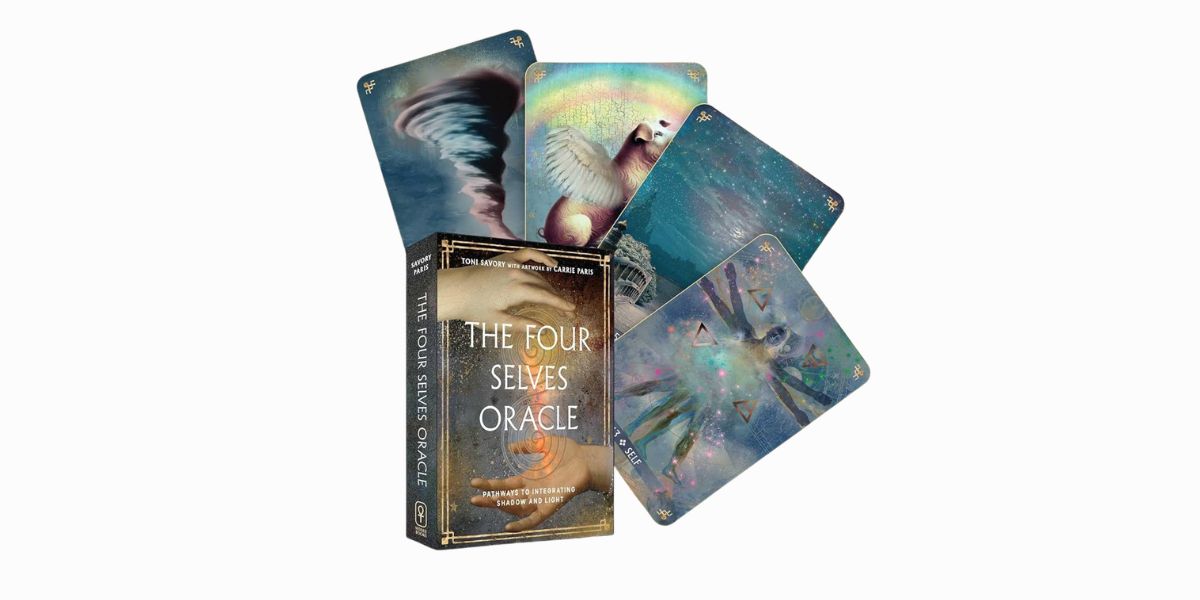
The Four Selves Oracle: Pathways to Integrating Shadow and Light is one of the more psychologically nuanced oracle decks to recently be published. Created by Toni Savory and illustrated by Carrie Paris, the deck is built around the idea that each person contains four interconnected aspects: the Physical Self, Conscious Self, Subconscious Self, and Superconscious Self. Rather than focusing solely on affirmation or spiritual uplift, the deck explores the dynamic relationship between shadow and light, helping readers identify emotional triggers, unconscious patterns, and pathways toward integration and wholeness.

“Quite simply The Four Selves Oracle is a gateway for you to understand yourself in ways that allow you to take action and do the work to become and embrace the true divine source within you and around you.”5

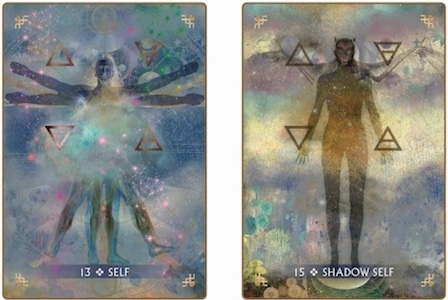
The structure of this deck is unique; it definitely took me a little time to get used to working with it. First, there’s two significator cards: Self (13) and Shadow Self (15). Of the 36 cards in this deck, 16 of them are light cards (belonging with the Self significator), 16 are shadow cards (belonging with the Shadow Self significator). The light and shadow cards are all paired, so each light one will have a corresponding shadow card and vice versa. Then the other four cards are neutral ones, intended to balance the reading.

Now, before the Savory even gets into the layouts, readers learn the poisonings in the deck. Depending on the layout, the card could be in a light or shadow column and conscious, physical, and subconscious position layer. There’s a nice big color-coded visual of this in the guidebook, which helps with understanding the placements.

It seems like there’s a lot of moving parts, but once you begin working with the deck regularly, things become more intuitive. The intention behind it all is for the cards to support one another, bringing a holistic approach to the deck, as each card is reflected within ourselves. I find this approach so novel since even if there’s a common theme to the deck, most oracle readings focus on the individuality of each card. The layer in this deck makes for a much richer reading than any deck I’ve worked with before.

The guidebook description of each card provides the card type, keywords, mantra, core meaning, imagery, and guidance for it in the position of conscious, subconscious, and physical. Also listed is the card’s counterpart and insight on how the cards reflect each other. To become more familiar with the deck, I found it very helpful to go through the guidebook and read the corresponding pairs, reflecting on the wisdom and letting the information coalesce a bit prior to even doing readings. This approach made me feel more comfortable with the cards once I did start doing spreads.

Interestingly enough, the layouts are not even presented in the guidebook until the second part, following all the oracle meanings. The first suggestion in this section is to do a pull of either one, two, or three cards and simply work with the mantras. I found this VERY useful for familiarizing myself with the deck and every time got uncanny guidance that was reflective of what was going on for me internally at the time.

The other spreads continue to build on the different facets of personal exploration the deck can be used for, from releasing triggers to checking in with the four selves, and culminates with a 36-card grand tableau. I have yet to do this full deck spread because I am saving it for when I really want some big guidance, but I love having it available to me with this deck.

Visually, the deck is colorful with plenty of symbolic richness.. The imagery is dreamlike, archetypal, and slightly surreal, featuring portals, mirrors, moons, gardens, vortexes, and liminal landscapes. Rather than depicting literal scenes, the artwork functions as a symbolic language that invites contemplation and intuitive interpretation. The aesthetic feels mystical without becoming overly ornate, giving the reader plenty of imagery to gaze at while not getting too overwhelmed with small details. The imagery does a good job of providing visual structure for the complexity of the deck rather than be a source for predictive insights.

And this brings me to my final thoughts on the deck. Many of us go to oracle decks for predictive guidance or affirmation-focused messages, so this focus on introspective reflection and shadow work might not initially be a comfortable realm for our readings. The deck certainly requires more time learning than the majority of oracle decks.

But this is what makes The Four Selves Oracle so exceptional. Instead of asking for universal guidance from the oracle deck, this card brings to light the parts of ourselves that hold wisdom. Bridging both spirituality and psychology, the guidance is both meaningful and practical. It’s a comprehensive tool for those looking to better understand the multi-faceted self and delve into the patterns, triggers, and deeper emotions that are best explored through tools such as this deck. Savory acknowledges that growth requires confronting difficult emotions and unconscious habits and the structure she’s created with this deck is excellent.

I highly recommend this deck to those who enjoy shadow work, depth psychology, journaling, or therapeutic spiritual practices. While the deck does take some time to get used to working with, which makes me want to recommend it more towards advanced readers, I do think there’s more than enough information to begin working with it at any level. Allow time for your connection with the deck to grow is my advice. I was a bit overwhelmed at first, but slowly, as I took the time to learn the structure of the deck, the readings became more clear and potent. This has now become one of my favorite decks to turn to for when I’m doing inner work.
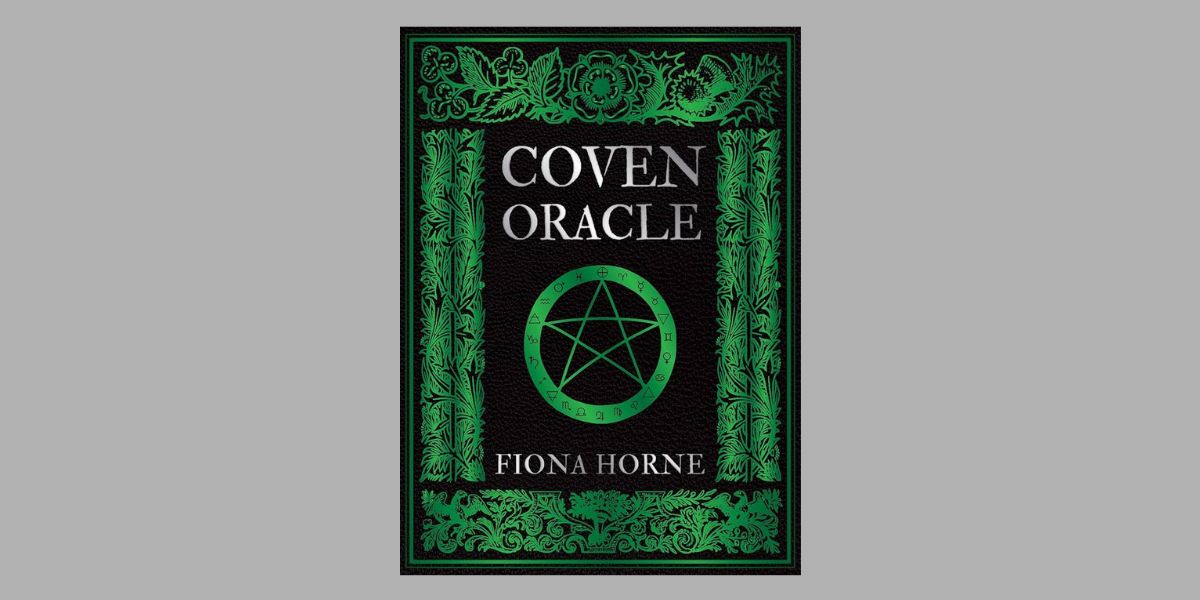
Coven Oracle, by Fiona Horne and Miriam Ocaña Pérez-Cerdá

Coven Oracle, by Fiona Horne with illustrations by Miriam Ocaña Pérez-Cerdá
Rockpool Publishing, 1922468010, 160 pages, 36 cards, March 2026

Group dynamics are tricky–both finding your own place within one and the overall holistic functioning of the group as a whole. It gets even more energetically complex when you add a magical dimension in too, such as the case with a coven. Coven Oracle by Fiona Horne with illustrations by Miriam Ocaña Pérez-Cerdá is the first group-centered oracle deck that I’ve ever seen. Emphasizing collective magic and relational spirituality, this deck reveals valuable insights for group dynamics and the individual practitioner.

Horne’s 36-card deck aims to support harmony, respect, and shared power, reflecting “what it takes to truly create and tend a coven – not as a rigid hierarchy, but as a living, evolving magickal ecosystem.”6 However, the deck doesn’t lose sight of the individual reader too, also providing guidance for the group dynamics showing up for them and serving as an energetic bridge to connect with others in the astral or spiritual realm.

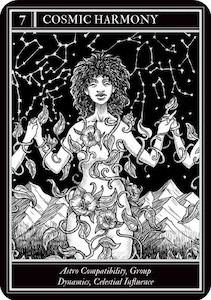
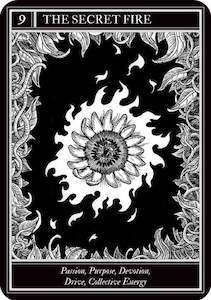
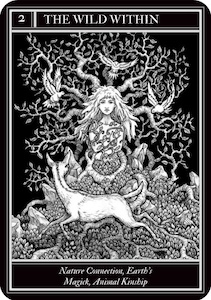
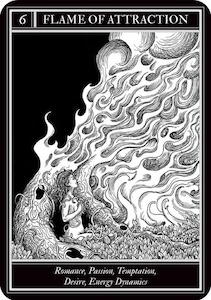
Ocaña Pérez-Cerdá’s card design brings a mystical energy to this deck, making it feel less like a casual divination and more like stepping into a sacred current. While gilded with green edges, the black and white illustrations give the deck a timeless occult quality. The contrast of light and dark adds an intensity, reminding readers that we contain all parts of the spectrum within ourselves.

The card images often feature plants, animals, and women in their full spiritual glory. The cosmic symbolism, elemental forces, and archetypal feminine power activates magical consciousness. There’s a feeling of movement and fluidity in the images, a twisting eternal connection that binds us all together. And this strong thread of interconnectedness running through the imagery (celestial constellations, roots, flames, bodies merging with the landscape) reinforces themes of relationship, cohesion, and energetic exchange. The theme of nature as a weaver and foundation for connection comes through in all the illustrations.

As for the guide book, Horne shares how to use the cards, information for consecrating and cleansing the deck (including blessings that can be said), and spread suggestions. For each card entry, there’s the image and name of the card along with key words, an oracle message for the coven, and an oracle message for the individual reader. This style gives the deck a lot of versatility, allowing for the messages to be received on both a personal and collective level.
For this reason, I feel like it’s an incredible tool for working in a group. While a coven could use any deck to attune to the energies, Coven Oracle is so specific and relevant, speaking directly to those in the circle, that it unifies the intent and energy to deliver a clear message. Oftentimes, Horne infuses the divinationtory message with questions too, offering a place for meaningful conversation to emerge within the group. Here’s an example from the card Art of Balance:

“This card invites your coven to check in and take a closer look at the unspoken energy dynamics in your group. Is someone always leading while others fall back? Is everyone being heard? Had someone gone quiet while others take up space? Has someone been quietly picking up the slack while others drift? Sometimes imbalance isn’t obvious – it builds over time in small silences, quiet assumptions, and unequal giving.”7

Horne demonstrates a clear understanding of the different dynamics that arise in group situations, and the different cards offer acknowledgment of the energies, giving them space to be acknowledged and handled in order to keep the magical essence of the group thriving. In the course of my practice, I cannot tell you how many covens I’ve seen split up or become infused with resentment, disagreement, and jealousies. Using this deck regularly in a circle has enormous potential to open up necessary dialogue, find inspiration about what’s best for the collective, and unify intentions to keep the group in a good space.

Similarly, the deck offers a wonderful way for individuals to see their own role or place within a group, which is also challenging to do on one’s own sometimes. While I am not currently in a coven, I have been using this deck to discern more information about my energy in relation to my family–a coven of sorts that you’re born into for better or worse!

After a period of feeling a bit disconnected from my family where I was feeling outcasted, I decided to pull a card to inquire about the situation. The card I received was Return to the Coven. I was extremely moved to read Horne’s wisdom in the guidebook:

“Whether you’re in a formal coven or simply rejoining a group, community, or circle you once stepped away from (or were cast out of), this card reminds you that returning is not weakness – it is strength. To walk back in with an open heart, or to hold the door open for another, is an act of power, humility, humanity, and powerful love.”8

This card gave me the courage to mend the relationships and be more participatory in a family event that I was originally thinking of bailing on. I ended up having a great time, feeling seen and appreciated by the group now that I had opened myself up to being included once again.

Overall, Coven Oracle is a tool not only for individual readings but also for group dynamics and spiritual communities, making it somewhat unusual among oracle decks. The deck’s core framework centers on working magic together, offering the oracle guidance to strengthening relationships, building aligned spiritual groups, maintaining energetic containers, and revealing where shifts might need to take place. By encouraging reflection not just on the self but on the collective, Coven Oracle supports the kind of intentional, reciprocal relationships where deeper and more resilient magic can take root.

This deck is ideal for covens or magical study groups, magical practitioners seeking spiritual communities or wondering if certain groups are a good fit for them, and witches interested in collaborative rituals that might not be a full-time coven situation but still require group effort. As mentioned, readers might also enjoy it for furthering understanding dynamics in their family too.

I’ve really been enjoying working with this deck and very much appreciate how it can be used for both group and individual readings. Horne has done a wonderful job capturing the multi-faceted energies of coven dynamics and created a deck that reflects these energies for reflection, growth, discernment, and harmony. Meanwhile, Ocaña Pérez-Cerdá’s illustrations deeply honor the wild feminine divine, visually reconnecting readers to the natural world and the many sacred relationships that make all ecosystems thrive.

A real bonus is an optional companion book, Coven: Where Witches Gather, by Horne is also available as a grimoire for covens. If you are interested in creating a coven or already leading one, interested in witchcraft, and hoping to deepen your practice, this book is the perfect companion to Coven Oracle.

Road Show Wisdom, by Dreamopedia

Road Show Wisdom Oracle Deck, by Dreamopedia
Sacred Scribe Publishing, 979-8990956049, 180 pages, 41 cards, October 2025

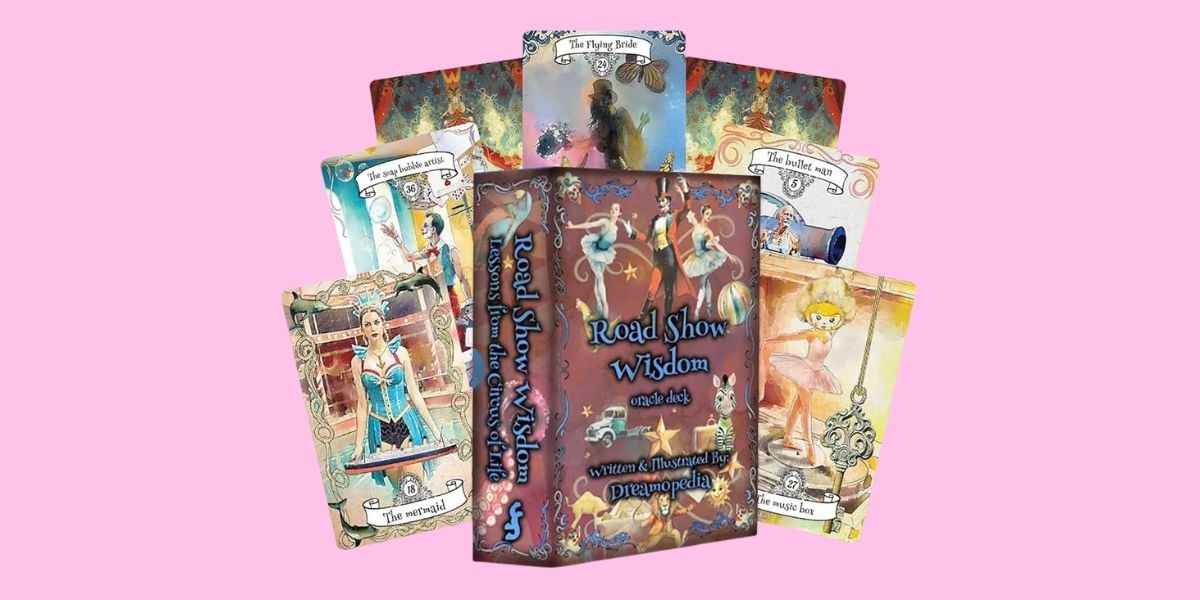
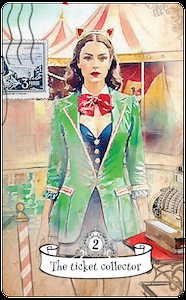
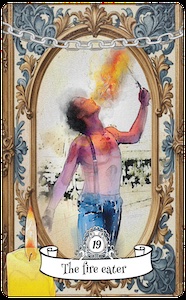
Road Show Wisdom Oracle Deck by Dreamopedia is truly beautiful inside and out. These oracle cards were definitely built to entertain. This deck includes forty-one cards, all with beautiful watercolor portraits. Cards such as The Silt Walker, The Ticket Collector, The Fire Eater, The Magic Lantern, and many more bring to life the vivacious nature of a circus, providing a unique oracle energy.

I love the theme of this deck: old circus/roadshow aesthetics. This is all thanks to the book The Night Circus by Erin Morgenstern. (If you know what I’m talking about, excellent taste in books. If you don’t, I HIGHLY recommend this book. It was one of my favorite reads when I was in middle school, and I still love the book to this very day.)

These cards are so detailed and lovely. The box is small but the details inside are stunning, revealing a carnival scene once you take all the cards out of the box. The lid has a spider-like looking clown juggling; this artwork is of the card called Juggler.

This deck is full of life and whimsy, which I absolutely love. The cards are large but they shuffled with great ease. At first, they felt awkward in my hands, but I got used to the feel of them after a few uses. The illustrations are colorful and extremely detailed. I’m a sucker for a deck with lovely artwork, as I’m an artist myself. Each card was a new treasure for me to discover.

The guidebook it comes with was also awesome and very detailed. I loved the fancy font that was used. Each card has a story behind it with words written so wonderfully that it was easy to picture what was being read in my mind. Dreamopedia is not only a great artist but has a great knack for writing as well. The content is easy to read and it really fits the whole vibe of the deck itself.
At the beginning of the guidebook, Dreamopedia explains how the cards are divided into eight stages and explains how this “reflects different facets of personal development, encompassing observation, planning, growth, and reflection.”9 It is then explained how this structure provides additional guidance in regard to the progression of sequence, more generalized theme, guidance about where you’re at within the journey, and a creative metaphor for exploration.

For each card, there’s a rhyming poem, a bit of circus history that gives context to the card, and the card explanation. What’s unique about the explanation is that Dreamopedia uses numbered lists, so there’s more than one meaning, providing a multi-faceted insight to the question at hand, though they all blend together within the common theme. There’s also an invitation at the end of the entry, detailing what the presence of the card signifies and the opportunity available as a result.

I spent over three weeks with this deck and I’ve really fallen in love with it. This deck has brought a lot of excitement into my life with all of its charm and whimsy. My first reading with it I pulled out The Mermaid. The mermaid on the card is beautiful. The message of just simply following curiosity really did reveal things that were hidden beneath the surface. Curiosity killed me just a bit. Without going into detail with my personal experience, oh boy this card really was an eye opener, in the most over the top manner.

The three words that best describe the deck’s attitude: mysterious, moving, and free. I have to say out of all the decks I’ve reviewed, Road Show Wisdom Oracle Deck really got me. The first week I used this deck it wasn’t my typical lighting fast connection. This one had a bite to it. The more I used it and attuned with it, it became more friendly.

My second card I pulled was The Hot Air Balloon. This card stuck out to me because I have a huge fascination with hot air balloons, but the message hit me deeply. The need to release but also balance and control. I pulled this card at a significant time because I cut ties with my toxic mother. It was hard but I know this will be the best for me in the end. One of the card explanations reads:

“To rise, the balloon must shed weight. This suggests letting go of attractions or limitations to reach goals.”10

Overall, I really enjoyed bonding with Road Show Wisdom Oracle Deck, and I can’t wait to see how it helps me in the future. Dreamopedia has really brought to life the energy of the circus, bringing creativity and inspiration to divination.I recommend it for those who are looking for a bit of novelty and fun in their oracle readings. 

Plant Spirits Oracle, by Laura Aversano and Nadine Gordon-Taylor

Plant Spirits Oracle, by Laura Aversano and illustrated by Nadine Gordon-Taylor
Bear & Company, 9781591435303, 40 cards, 128 pages, November 2025

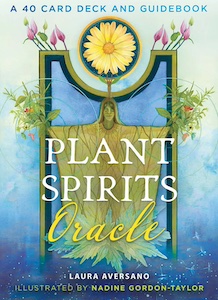
Plant Spirits Oracle by Laura Aversano with illustrations by Nadine Gorgon-Taylor is a captivating and spiritually rich oracle deck that invites users to connect deeply with the wisdom and healing energies of the plant kingdom. Combining beautifully illustrated cards with insightful guidebook messages, Aversano’s creation is a great companion to her book The Divine Nature of Plants.

Laura Aversano is a medium and medical intuitive who has studied plant medicine and worked with the spirit realm for more than thirty years.  She has written three books and lives in New York City with her cats. You can learn more about her on her website.

Nadine Gordon-Taylor is an intuitive artist who holds both MFA and doctorate degrees in art.  She has taught for more than 30 years through lectures and workshops.  Her artwork has been shown in galleries and collections around the world. She owns a gallery called Third Eye Arts in Peekskill, NY. She has created three oracle decks and contributed to several other decks. Learn more about Gordon-Taylor through her website.

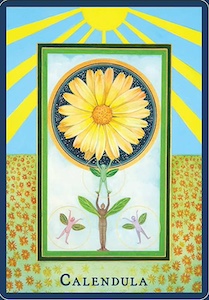
This deck includes 40 full-color cards, including 30 plant spirit cards and 10 shamanic healing cards. Each card is a miniature art piece, depicting a plant or scene within a unique frame. The borders are also decorated with birds, moonscapes, wildflowers or angels. The back of the cards features a bright, yellow calendula flower.  At the bottom of the flower is the face and arms of a tiny green creature. (On the calendula card, you can see four plant spirits, including this one, which is being held aloft by one of his spirit friends!)

A visually striking deck, each card features mystical and ethereal illustrations that capture the essence of the plant spirit it represents. The artwork is both vibrant and subtle, balancing the physical characteristics of each plant with elements that suggest their spiritual qualities. The cards are of good quality, with a smooth finish that makes shuffling easy. The box and accompanying guidebook are sturdy and thoughtfully designed.

Aversano includes an introduction, how to work with the cards and a brief discussion of plant spirits and elementals:

“In healing with plants, we are working with the vibration as well as with the spirit. The spirit gives the plant its healing qualities and will also share with you, both verbally and nonverbally how to heal with it. Plant spirit medicine works vibrationally, both in your body and within the many layers of your auric field.”11

She also shares communication tips for working with plants and with these cards.  To further assist the reader, Aversano has included a prayer channeled from each plant’s spirit to help you discover your personal connection to the divine plant kingdom. 

The ten shamanic healing cards are included to guide you even deeper on your journey into sacred connection with Nature’s plant world. She includes topics such as Relationships, The Past and Gratitude within these special cards.  

The card called Creation really spoke to me, as I pulled it one morning during the holiday season.  The card features two people facing each other, holding hands.  Two parrots are shown at the bottom of the art piece. A beautiful pink flower adorns the top of the card, looking almost like a round, stained glass window. 

Aversano invites me to look deeply at all of my relationships, including those with my own “inner dialogue.”12 What strikes me as I look at the card now is the idea that the two beings could be mirror images. I welcome this invitation to meet myself and see another layer to this card. 

Laura Aversano’s guidebook is more than a simple set of card interpretations. Each plant spirit is accompanied by spiritual guidance and practical suggestions for integrating the card’s teachings into daily life. Aversano’s background as a medical intuitive and medium shines through in the depth and compassion of her writing. 

What truly sets Plant Spirits Oracle apart is its emphasis on the direct relationship between the user and the plant spirits. The interior of the guidebook reads “a journey through the magic, medicine and wisdom of the natural world.”13 Rather than focusing solely on traditional meanings or folklore, Aversano encourages personal reflection, meditation, and even ritual work with the cards. This makes the deck especially appealing to those interested in shamanic practices, herbalism, or plant-based spirituality.

This oracle deck is ideal for anyone seeking a deeper connection to nature, whether you are a seasoned intuitive, a beginner oracle reader, or a lover of plants. It can be used for daily draws, meditation, or as a companion to other divination practices. Its messages are gentle yet profound, offering guidance for personal growth, healing, and spiritual exploration.

Overall, Plant Spirits Oracle by Laura Aversano is a beautifully crafted tool for those wishing to engage with the plant spirits. Its combination of soft, ethereal art, heartfelt writing, and spiritual insight makes it a valuable addition to any oracle deck collection. Whether you are seeking inspiration, healing, or a new way to commune with nature, this deck offers a pathway to deeper understanding and connection. She shares this with the reader:

“The plant does not have to be in your actual physical space to give you its medicine. It might take a while for you to feel connected, but once you do, you will begin to notice a shift in your body. . . . Allow the plant spirit to take you on journeys into other worlds as well as deeply into yourself.”14

Memento Mori, by Red Wheel/Weiser

Memento Mori: 36 Cards to Embrace Life, by Red Wheel/Weiser
Red Wheel, 1590035860, 36 cards, October 2025 

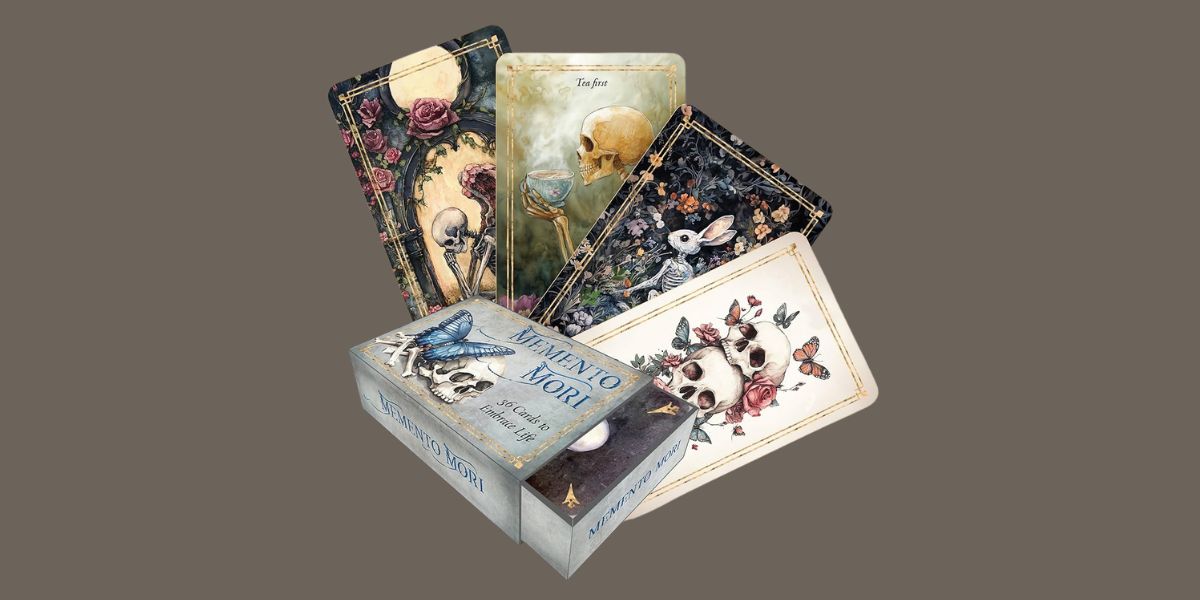
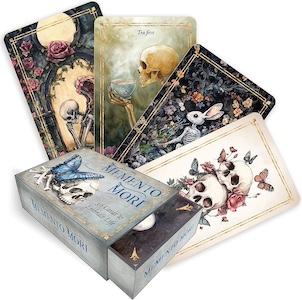
Memento Mori: 36 Cards to Embrace Life is far more than a simple oracle deck; it is a  contemplative, visually arresting meditation on the universal human experience. Rooted in  the ancient maxim Memento Mori, Memento Vivare— “remember that you will die, do not  forget to live”—this deck offers a uniquely balanced fusion of mortality and vitality.  This 36-cards set invites readers to reflect on the  fragility, beauty, and sacred ordinariness of life through art that is both haunting and deeply life-affirming. 

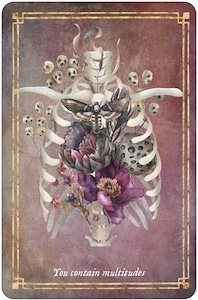
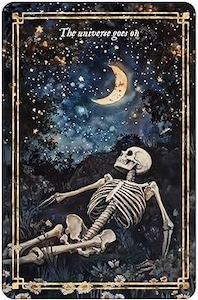
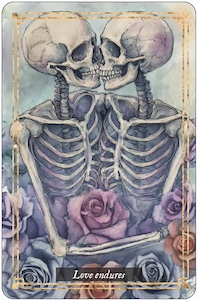
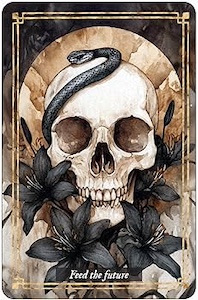
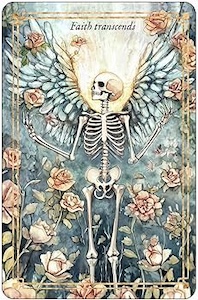
The first thing that struck me about this deck was its powerful intentionality. Each card  depicts a skeleton—no identities, no hierarchies, no distinctions. Whether a gardener, a  healer, a wanderer, or a childlike rabbit figure, every being is rendered with the same bones beneath the surface. This symbolic leveling highlights the truth at the heart of memento mori: regardless of where we come from or where we believe we are going, we walk the  same path from dust to dust, from life to death. Rather than approaching this with heaviness, the deck uses that equality as a basis for solidarity, compassion, and the celebration of the present moment. 

The artwork is one of the deck’s greatest strengths. Against a cool, subdued gray  background, evocative of ash, stone, and impermanence, vibrant  florals, botanical elements, and richly hued natural motifs are used to create striking visual contrast. The result is a language of opposites brought into harmony: the starkness of bone beside the lushness of life, the quiet of the grave beside the riotous bloom of flowers. Each  card feels like a small fine-point sketch brought to life, full of delicate linework and a painterly use of color that softens the subject matter while also imbuing it with unexpected  warmth. 

The simplicity of the messages is another defining feature. Phrases such as “Hold Space”, “Be the Light”, and “Your Path Is Open” guide the reader toward grounded, practical wisdom.  More than offering predictive statements or metaphysical abstractions, the deck focuses on actionable invitations to presence, kindness, connection, and courage. In a world oversaturated with noise, these short declarations feel like distilled clarity, acting as gentle reminders to inhabit the only time we truly have in the present moment.

The companion text on the introductory card expands on this philosophy beautifully. It  acknowledges death not as something to fear but as something to understand, presenting death as a teacher that encourages us to savor our days more deeply, to notice our habits and attachments,  and to remember that each moment holds the potential to shape the legacy we leave  behind. By embracing the transient nature of our existence, we are invited to live with  greater intention, to love more freely, and to let go of what is unnecessary.

Structurally, the deck is remarkably user-friendly. Its 36-card format feels intentional and  uncluttered, giving each image the space to speak for itself. The cardstock and printing quality, demonstrated in the richly detailed fronts and the elegant skull motif on the card backs, reflect a high level of craftsmanship. The minimalism of the guide materials also supports the deck’s overall theme of nothing extraneous, only what is essential. 

One of the most compelling aspects of Memento Mori is how it frames mortality not as an  imposed limitation but as an invitation. The presence of skeletal figures reminds us that beneath our stories and differences, we are united in our origin and our eventual return to  the earth. Yet the abundance of flowers, animal life, and symbolic objects illustrates that  within that shared trajectory, there is infinite complexity, possibility, and meaning. This interplay makes the deck both meditative and inspiring—a rare duality in oracle systems.

From a practical standpoint, the deck is wonderfully versatile. It works beautifully as a  daily draw, offering a reflective touchstone for mornings or evenings. It can also support  journaling practices, shadow work, grief processing, meditation prompts, or simply  moments of grounding during stressful days. Because the messages are concise, the  cards can be integrated easily into readings with Tarot or Lenormand, adding emotional or  philosophical depth without overwhelming the spread.

Ultimately, Memento Mori: 36 Cards to Embrace Life is a deck that succeeds in delivering  exactly what it promises. It reminds us of our mortality without morbidity, guides us toward  joy without triviality. It reveals the inherent beauty of being human, not in spite of our impermanence, but because of it. For anyone seeking a tool that blends introspection, artistry, and soulful presence, this deck is a powerful companion. 

For me, working with this deck was a quiet yet profound experience. Its imagery  encouraged a sense of reverence for the everyday—an awareness that even the smallest  details of life, from a wilted flower to a fleeting moment of gratitude, carry meaning. It deepened my appreciation for the present and reinforced the truth that to remember we will die is, paradoxically, to remember to live fully. 

I highly recommend this deck to spiritual practitioners, introspective readers, artists, grief  workers, and anyone who is navigating the delicate balance between honoring the past and embracing the future. It is a beautiful tool for grounding, reflection, and reconnecting with  the essence of what it means to be alive.

LightWeb Oracle Deck, by Joanna Hunter, Anna Babich, and Stephanie Wicker-Campbell

LightWeb® Oracle Deck: Soul Technology, by Joanna Hunter with illustrations by Anna Babich and Stephanie Wicker-Campbell
Muse Oracle Press, 1763586928, 140 pages, 44 cards, October 2025 

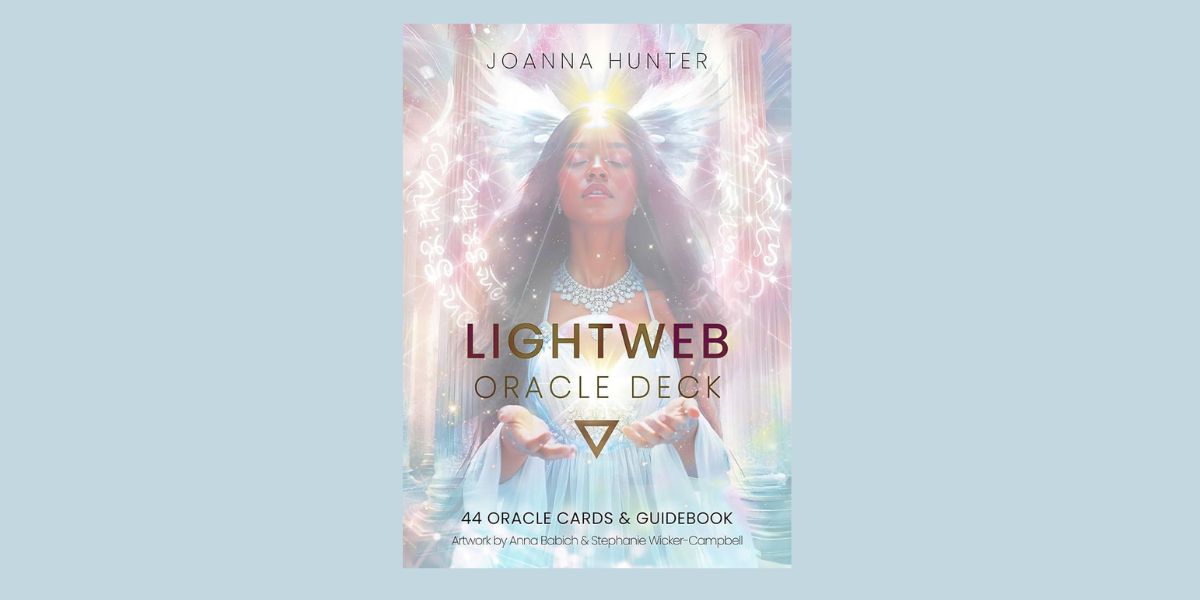
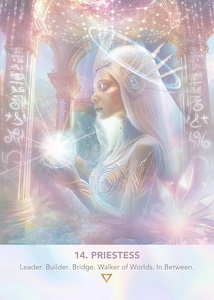
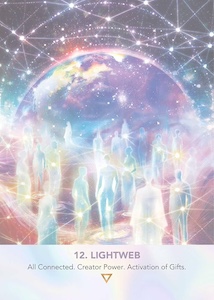
The world of oracle cards is brimming with decks that promise to guide, inspire, and deepen our understanding of ourselves and the universe. LightWeb® Oracle Deck: Soul Technology by Joanna Hunter with illustrations by Anna Babich and Stephanie Wicker-Campbell is a standout set, one that takes you on a journey and invites you into the realm of the LightWeb.

“Glimmering in the astral plane is the LightWeb, a glittering web of infinite possibilities and consciousness, where all is connected and everything is possible. A place where we remember our galactic origins and connect with our shared cosmic soul.”15

LightWeb Oracle Deck is designed to help users tap into a type of interconnected web, an energetic framework that connects all beings and possibilities. Hunter calls this structure a LightWeb. Here, the reader may access higher wisdom and foster a deeper relationship with their own intuition. Hunter’s background in energy work and spiritual mentorship is evident in the design of each card and its meaning.

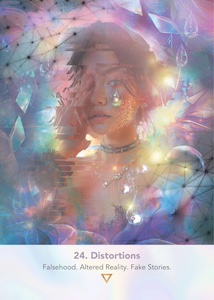
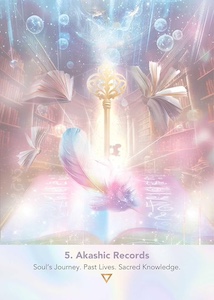
The cards, illustrated by Babich and Wicker-Campbell, are adorned with luminous, ethereal designs that evoke a sense of tranquility. Soft gradients of light blues, violets, and pinks create a radiant effect, inviting the user into a space of reflection. The imagery, a blend of feminine forms, geometric patterns, and cosmic symbols, is both modern and mystical.

The deck is well-crafted, with a sturdy yet flexible card stock that will stand up to repeated shuffling. The glossy finish enhances the colors, making each draw a delight for the senses. The deck is a comfortable size for shuffling and reading, suitable for hands of all sizes. A sturdy box houses the cards and guidebook, echoing the aesthetic of the glimmering artwork

Hunter begins with a card that features a beautiful request for Divine support as the reader works with the cards. This prayer is short, but powerful and will make a nice way to open readings each time. 

After a brief introduction, Hunter shares the four LightWeb Principles: Self-love, Self-mastery, Self-leadership, and Self-empowerment. Next, she provides several good ways to activate your deck. My favorite of her tips is one I have used myself: sleep with the deck next to your bed. You can also add a quartz crystal on top.

After including a brief “How to Use this Deck,” Hunter reveals several spreads and then goes into the card guidance.  At the end of the guidebook, she includes a glossary of terms, as well as information on her “LightWeb Soul Technology and Course.”16

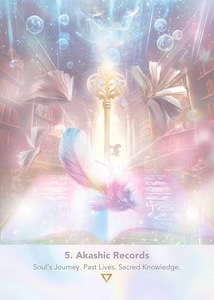
The deck consists of 44 cards, each designed to represent a specific aspect of the LightWeb philosophy. The cards are numbered, to make finding the complementary guidance easy. Themes range from self-empowerment and spiritual awakening to grounding and manifesting. Each card bears one word or phrase, such as “Akashic Records”, “Spirit Guide”, “Light Language”, or “Priestess”, accompanied by a few key words.

For each card in the deck, Hunter uses a very structured approach to the guidance. Each card has a title, key words and information from the LightWeb, as well as clues from the ShadowWeb. She also shares a Transmission of Light, which explains some of the card’s symbology.

Next, she includes a section on Going Deeper, which is the heart of the guidance.  Hunter ends with the LightTool of the Card. This device can be a simple statement, an energy healing tool, or a suggestion for better living. Each one is unique.

The deck’s structure makes it versatile, able to be used for daily single-card draws, more elaborate spreads, or even as a supplement to meditation and journaling practices. The cards offer guidance that feels both specific and open-ended, and I saw this over the seven days I worked with the cards. The themes are universal enough to resonate with a wide audience, but not so broad as to lose their impact. Each card feels like a gentle nudge toward introspection and connection to Divine Source. As I worked my way through the cards, I felt a deepening into myself and a newer form of connection to Divine Source.

My favorite card in the deck is Freedom. The artwork features a carefree woman smiling and enjoying life. The guidance speaks of “Choices. Being free. Self-acceptance. Having fun. Lightest of energies. Joy. Being in the moment.”17

The guidance asks me to journal about freedom and what it means to me. Finally, Hunter suggests that I play some music, move my body, and enjoy freedom. This message was just what I needed for the day after my husband had an accident that landed us in the ER. I was reminded that I WAS free and now both of us were safe and surrounded by the love of our angels and guides.

I plan to add this deck to the stack I have on hand for client readings. The guidance Hunter shares will be a perfect way to end intuitive readings. I will also enjoy using this deck for my daily card readings over the next few months. 

LightWeb Oracle Deck stands out as a luminous guide for those seeking clarity, empowerment, and connection. Its harmonious blend of art, wisdom, and practical tools makes it a joy to use, whether for quick insights or a deeper dive. The deck invites users to step into their own light, trust their intuition, and explore the interconnected web of possibility that surrounds them.  The guidebook’s practical suggestions and gentle tone make it accessible to beginners and advanced practitioners alike.

For anyone drawn to the world of oracle cards, the LightWeb Oracle Deck is a beautiful addition to any collection. It promises not only guidance, but a gentle reminder that we are all connected through the LightWeb, and that our journey is illuminated from within.

 About the Creators

Joanna Hunter is a teacher, author, speaker, podcast host and intuitive life and business coach. She is also High Priestess of the transformative group she calls LightWeb®. Hunter transitioned from marketing executive to spiritual coach after a major health scare several years ago. She channels a group of beings she calls Skyler and carries the sacred Codex of Light™ teachings. She serves as a spiritual guide for transformation and ascension. Hunter has written four other books and published two other oracle decks. Learn more about her at www.JoannaHunter.com.

Anna Babich is an illustrator and designer, who loves to create magical and celestial artwork.  Over her career, she has illustrated everything from clip art to oracle decks. Her style is very intuitive and ethereal, and she feels that she infuses a type of healing magic into each piece of art. See more of her work on her website.

Stephanie Wicker-Campbell is a gifted illustrator and designer, who has illustrated oracle decks, journals, and book covers. She is also a keynote speaker and author in her own right. In a recent post, she expresses that she is stepping back from design work and focusing more on her publishing house, Muse Oracle Press. Learn more at https://museoraclepress.com.

Akasha Oracle, by Emily Nicolle and Carla Cartagena

Akasha Oracle: Unlock wisdom from previous lives, by Emily Nicolle with illustrations by Carla Cartagena
Rockpool Publishing,1923208195, 128 pages, 48 cards, September 2025

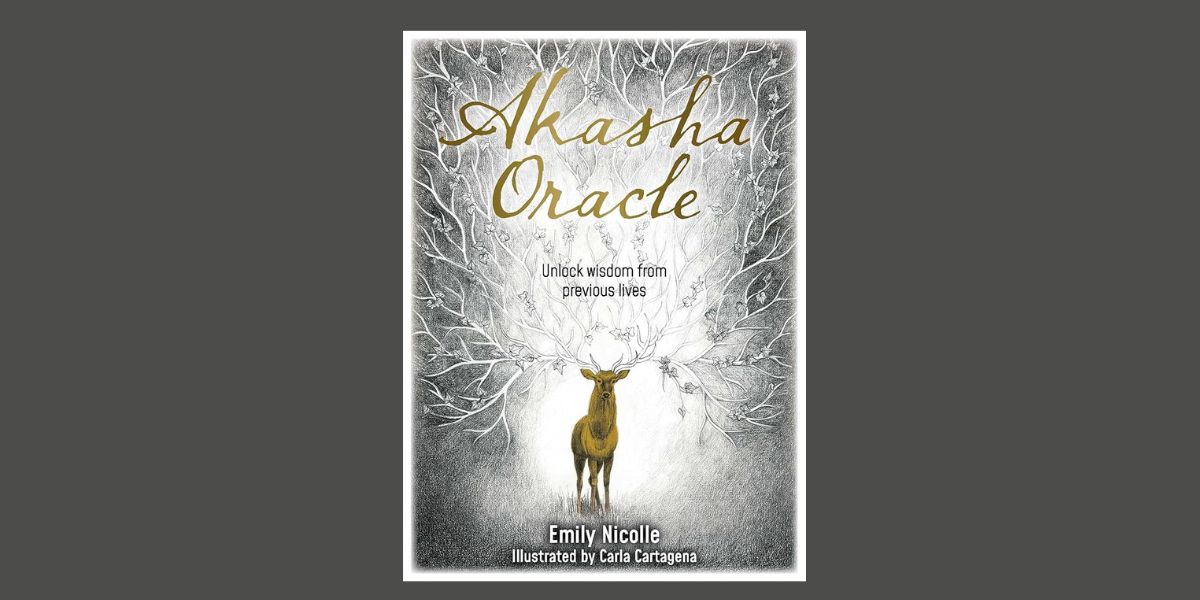
The Akasha Oracle: Unlock Wisdom from Previous Lives by Emily Nicolle with illustrations by Carla Cartagena is a one-of-a-kind deck that invites readers to explore the limitless depths of the Akashic Records. Through its richly symbolic imagery and intuitive divining boards, this deck opens a channel to the soul’s timeless journey, offering glimpses into past lives, karmic patterns, and spiritual lessons that continue to shape the present and future.

The imagery in this 48-card deck has a striking aesthetic: detailed black-and-white illustrations accented with selective bursts of color. When looking through the cards, I see how the images reflect the deck’s core intention of guiding readers into the shadowy archives of the soul while illuminating hidden truths with the light of wisdom.

There’s something timeless about the monochrome tones of grayscale images, almost as if mirroring memories or echoes of the past, perhaps even the liminal space between lifetimes. Yet the vibrant color accents shine through, reminding me of the flashes of insights that emerge from accessing the Akashic Records: the lessons, gifts, and revelations waiting to be unlocked.

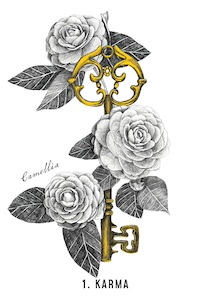
Plant life, specifically flowers, herbs, and trees, also play an important role throughout the deck. Each card pairs its theme  with a specific plant ally—camellia, sunflower, and many others. This connection grounds the cards in Earth-based symbolism, reminding us that even while exploring the soul’s eternal journey, we are still rooted in nature’s cycles and healing energies. The flowers act as guides, softening the heavier themes that come from exploring the Akashic Records. Each card has the plant ally’s name written on it, and there’s also more information about the plant’s symbolism in the guidebook.

 I do find these cards work best with a mutli-card spread, where the cards give insight into each other. Working with this level of guidance requires creating the space to really delve in, draw a full spread, and take the time to sit with the messages that come through. As someone who prefers to pull one card for a quick answer, this deck was an invitation to settle into a more thorough reading, slowing down to really integrate the potent information coming through. Nicolle provides quite a few spreads to choose from in the guidebook, offering a range to fulfill reader’s intentions.

As for the guidebook description of each card, the entries are fairly short. For each entry, Nicolle states directly what the card is showing you, but only in a few sentences. She leaves quite a lot of room for readers to tap into their own intuition and decipher how the message is relevant to their personal circumstance. There’s also a sentence about the symbolism of the plant ally featured on the card for further insight.

This deck is especially powerful in that it bridges the gap between divination and deep spiritual memory work. The spreads aren’t just revealing insights about what is to come. Rather, the cards act as keys, unlocking hidden wisdom and forgotten experiences that can shed light on past blockages or reveal opportunities for future growth; seekers can uncover patterns from past lives, gain clarity about present challenges, and receive guidance on how to align more fully with their soul’s purpose. Yes, this does add the layer of needing to then intentionally work with the information that’s come to light, which isn’t always easy but holds the potential for true spiritual integration and transformation.

Additionally, the inclusion of the divining boards, which Nicolle teaches how to use with a pendulum, offers even more pathways for deck readers to receive information. This enhancing inclusion makes the Akasha Oracle not just a tool for reflection, but a living channel for higher knowledge. The deck becomes more than just another oracle, serving as a portal to higher channeled wisdom.

These first divining board, Place and Era, allows readers to uncover the time period (prehistory, antiquity, middle ages, modern era, and contemporary times), location (Asia, Africa, Europe, Oceania, and America), and if the lifetime was as a man or a woman. The second divining board, Date, goes even further into specific times, offering the chance to figure out the exact day, month, century, decade, unit, and whether it was BCE or CE. These boards can be used to find out more about a past life or to divine the timing of future events.

I definitely recommend journaling the readings done with this deck, as it can be a lot of guidance to take in all at once, and readers may need time to integrate what comes through. I’ve often found that when working with Akashic Records that pieces of a certain lifetime or specific wounds that span lifetimes are revealed in bits and pieces, so as to not overwhelm. Having a detailed record of previous readings will help to keep track of the information that’s coming through, better allowing readers to put together the whole story in a holistic way. Similarly, it’s always great to write down divinations about the future to see how they ultimately manifest.

Overall, Akasha Oracle is perfect for anyone drawn to soul evolution and karmic healing. This deck offers a rare and transformative way to access wisdom that transcends time. The Akasha Oracle serves as both a guide and a key, helping readers access forgotten knowledge, heal wounds from past lives, and realign with their soul’s purpose. Whether looking to understand recurring challenges, discover hidden gifts, or simply connect more deeply with your higher self, this deck provides a sacred space for reflection and revelation.

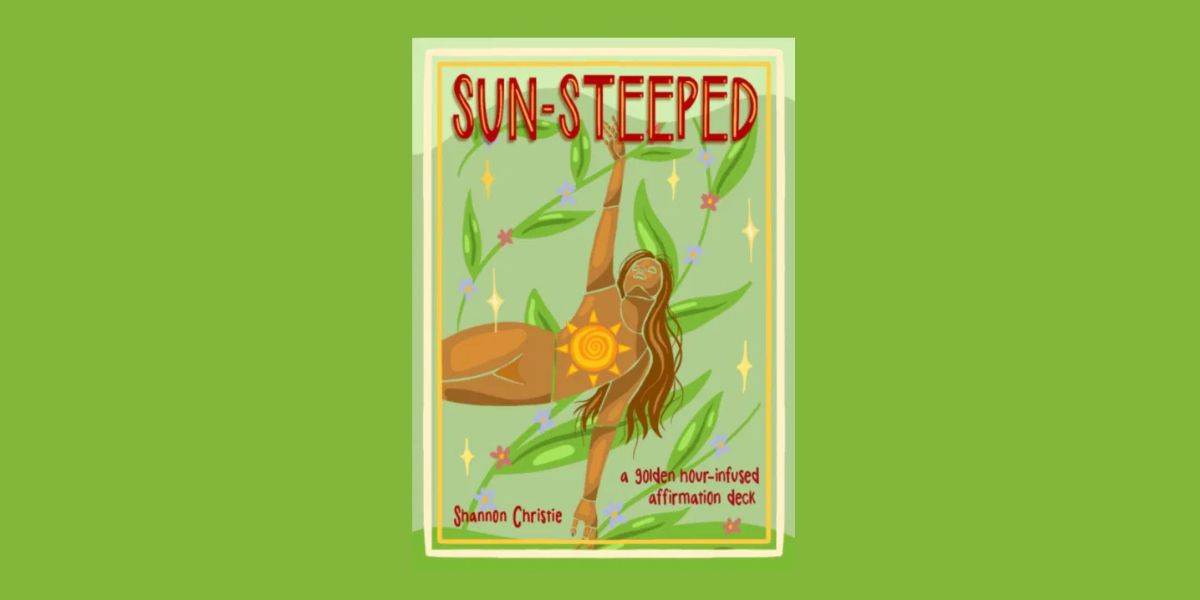
Sun-Steeped, by Shannon Christine

Sun-Steeped: A Golden Hour–Infused Affirmation Deck, by Shannon Christine
Red Wheel, 1590035801, 64 pages, 54 cards, June 2025

Sun-Steeped: A Golden Hour-Infused Affirmation Deck by Shannon Christine is a deck that is truly inspired by the Sun. Each and every message is bursting with positivity and very wonderful and helpful advice. This oracle deck is absolutely amazing in so many ways, but what stands out most to me is its simplistic artwork and powerful messages.

The guidebook that the deck comes with is short and sweet, but each message fills you with warmth and positivity and you gain knowledge that will help you grow and expand. Every message is meaningful and easy to understand just by looking at the card itself.

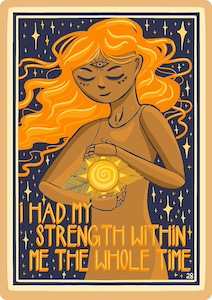
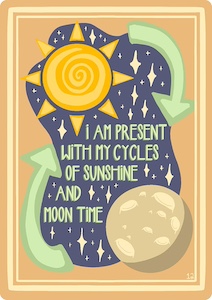
The artwork is simple but there is a warmth that surrounds each card. There is a teacup on the back of each card which adds more of the pleasant warm vibe, I also enjoyed the light and colorful color scheme. The imagery fits the messages of the cards very well. For example the card “I light the light in everywhere I can” shows a heart with a sun inside of it and the background has sun rays behind it. The card’s message matches the artwork gloriously.

Each card is numbered, but it’s really small and can be found on the bottom right corner of each card. I didn’t notice this until pulling my fourth card. This is the only complaint I have about this deck; it would be helpful if the numbers were just a little bigger. But otherwise, the art for each card was crafted with care, to make each and every message stand out and make sense.

The deck shows a lot of imagery of figures and hands, but some of the cards like “I take action from a place of love” and “Unapologetically is the way to be” depict a heart and sun respectively. At one point I came across a card with artwork of the Earth as well.

This deck has many teachings that need to be seen and heard, such as “When my cup runneth over, I pour into others”. In this day in age where selfishness rules the world, it’s a great reminder that if you have extra, give to others that may need it.

Every card I’ve pulled has been what I needed to hear in that exact moment as well. For example, “My energy is a currency, I choose to spend it wisely” is a card I pulled as I was struggling to find the motivation to get better at time management. This card truly called me out when I needed it most. At the time, I was struggling to find time to work on the twelve other projects. The message was a helpful realization for me to pull through and manage my time better. In the guidebook, Christine writes:

“Time to audit your energetic finances and see what needs to be prioritized, and what needs to be given the chop.” (Page 30)

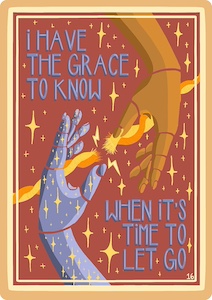
Each card has the most helpful advice along with a strong message, a prime example was when I pulled a collective message and the card that I pulled read, “I have the grace to know when it’s time to let go”. This is a powerful message to send out to the collective I felt. We all carry something that burdens us. But it’s important for us to let go of what has been burdening us for so long and relieve ourselves of the weight that it carries for the greater good. We must do this for ourselves at some point.

It didn’t take me long to connect with this deck, I’ve worked with it for about three or four days now, and the energy that radiates from this deck is very caring and empathic. With each and every card I had pulled there was an instant connection of understanding, even when I got called out, it was still from a place of caring. A truly beautiful thing indeed.

The cards felt like they belonged in my hands and they shuffled with ease. The cards are thin but very strong. The box is very simple but nice, there’s artwork underneath the cards and when you flip the lid over the box, you reveal a message saying “Peace can be found in the present moment.”

Sun-Steeped has been very helpful in aiding me with some well-needed daily positivity as well. I would have to say if you are looking for a deck that provides you with positivity, encouragement, kindness, and understanding, well then look no further! This deck will provide you with this type of support. This deck has been very lovely and has been presented beautifully; the art is very eye-catching and stunning. I have found the messages to be helpful and gentle reminders of things I must do in order to take care of myself and grow.