✨ A Gathering Place for Magical Readers and Writers ✨

No Bad Days, by Inès Duhard and Jolane Jly

No Bad Days: Daily Affirmations for a Joyful Life, by Inès Duhard with illustrations by Jolane Jly
Red Wheel, 1590035852, 96 pages, 39 cards, December 2025

Looking for a deck with some good vibes? Cue No Bad Days Oracle: Affirmations for a Joyful Life by Inès Duhard with illustrations by Jolane Jly. This fun deck brings to life the mantra “peace, love and happiness”, offering readers a chance to relax and connect with a positive message. The concept is simple, the artwork is beautiful, and I have greatly been enjoying my daily pull!

While the guidebook messages are overall short and sweet, each entry has an action-oriented exercise—something you can do to shift your energy and tap into the essence of the card. These small actions range from a breathing exercise to removing negativity from your vocab, these prompts encourage readers to enjoy their success, hype themselves up, and find empowerment in their daily life. Essentially, this deck is your ultimate wing-woman.

My favorite thing about the deck is the visually uplifting design of the cards. Illustrator Jly’s artwork is colorful, playful, and engaging, making it an inviting deck to work with. There’s no visual symbolism to decode, leaving readers to simply delight in the dynamic designs. This is so REFRESHING, especially for those of us who work with more system-heavy oracles, such as tarot. I appreciate the lack of tension, mystery, or shadow and how Jly presents positive states of mind you can immediately step into by looking at the visuals!

Many of the cards feature bold backgrounds (checkerboards, radiating strips, wavy patterns) that gives creative moment to the deck. The rounded edges in the imagery make for a gentle feeling, while the minimal shading makes for a clean, graphic look. All the figures are inclusive, expressive, and filled with vitality, embodying positivity in their postures. Plus, the color palette makes things pop: high-saturation pastels with warm brights (bubblegum pink, sky blue, sunshine yellow) give a deliriously joyful psychedelic feel. Jly really captures the emotionally-uplifting nature of the deck in her artwork!

As for reading the cards, the deck is divided into three themes: freedom (orange cards) representing the past/your roots and foundation; emergence (pink cards) representing the present and your current state of mind; and achievements (blue cards) representing the future and what you’re moving towards. Duhard offers a three-card spread based on the themes, as well as guidance on a one-card draw.

Truthfully, many times when I pull from this deck, I don’t focus on the theme, as I’m just trying to get a quick and easy message without over-thinking it. But when I have taken the time to divide the cards by theme and do the three-card draw, it’s been really insightful—the format gives more perspective to layer for those who enjoy more nuanced readings.

Each card entry includes a message, mantra, and exercise. The messages are always upbeat, focusing on the energy of the card and the value of cultivating it in your life. All the mantras are straight forward and easy to remember if you choose to use it throughout the course of the day or longer. And the exercises are quite a variety. For instance, the Travel card suggests a solo-trip somewhere, whereas Acceptance teaches readers to create an energetic bubble of protection around themselves. These different exercises keep things enliven, reminder readers of their agency and power to make a change.

This is the type of deck I’d definitely give to my girl friends as a present, especially if they were newer to reading oracle decks. As someone who loves all things esoteric and magical, there’s something so inspiring about this deck. It brings gratitude, goodness, and empowerment without coming off as too “high-vibe”. I find it very grounding, providing the little dose of emotional support that shifts the tone of the day into something positive.

Overall,  No Bad Days succeeds at what it sets out to do: create a gentle, visually appealing, action-based affirmation practice. The airy lightness of the support it offers is uplifting, leaving readers to take the dose of positivity and bring it further out into the world. It’s a gentle entry point to deeper exploration, especially for those who thrive in an optimistic mindset (hello me, Sagittarius Moon). This deck is the joy-core we need: bright, friendly, and emotionally safe. I absolutely love it!

The Wisdom of Birds, by Raxenne Maniquiz

The Wisdom of Birds, by Raxenne Maniquiz
Rizzoli Universe, 0789346311, 96 pages, 40 cards, March 2026

There’s no shortage of animal-based oracle decks, and birds are a popular choice. They carry centuries of symbolism — omens, messengers, watchers between worlds. Most modern decks lean hard into that without much restraint, layering atmosphere on top of atmosphere until the cards become more mood than tool.

The Wisdom of Birds, illustrated by Raxenne Maniquiz and published by Rizzoli Universe, takes a different approach. It keeps things simple, visual, and accessible.

About the Creator and Publisher

Raxenne Maniquiz is a Filipino illustrator with a background in editorial and book illustration, and that background is visible on every card. Rizzoli is not a small esoteric press; it’s a major art-book publisher, which shows in the production values. The result is a deck that feels like a designed object first and a divination tool second. That framing matters when you sit down to use it — the deck is asking to be looked at, not decoded.

First Impressions and Physical Feel

You get 40 cards and a guidebook in a sturdy lift-top box. Card stock is solid — heavier than the bendy mass-market tarot you sometimes encounter, lighter than premium indie stock. The matte finish handles regular shuffling without warping or curling. Card size sits comfortably in the hand for someone with average reach, which matters more than people admit when you’re using a deck daily.

The artwork is the strength here. Clean, stylized, and consistent. It avoids the usual fog of “mystical atmosphere” and instead lands closer to modern editorial illustration: flat color, deliberate composition, and birds rendered with enough botanical and ornithological accuracy to feel recognizable rather than generic.

It looks like something you’ll actually pick up, not something that sits on a shelf waiting for the right mood.

Structure and Use

40 cards is a manageable system. Each card carries a single, focused idea: awareness, adaptability, communication, patience. The guidebook supports that without over-explaining. No long-winded metaphysics. No forced depth.

This is not a system you study. It’s a tool you use. Pull a card, get the meaningful message, reflect on the answer, and move on.

For daily-draw practice, that focus is a feature, offering a message for both upright and reversed pulls. For someone wanting layered nuance — multiple symbolic axes per card, planetary or elemental correspondences, anything resembling a defined system — there’s not much to dig into.

Symbolism — Clean but Limited

The deck draws on familiar bird associations:

  • owl → perception
  • hawk → focus
  • crow → transformation

It keeps interpretations readable and direct, which is useful, but also means it stays on the surface. There’s no underlying scaffolding, and it does not draw from a defined classical tradition. It’s a curated set of associations rendered in beautiful art.

If you come from a traditional background — astrology, horary, classical omen literature — you’ll notice the ceiling pretty quickly. The bird-as-messenger lineage is ancient and layered; this deck doesn’t engage with most of it. The owl, for instance, is rendered straightforwardly as perception, with none of the funerary or threshold associations you’d find in the older sources.

That’s not a flaw. It’s a design choice. The deck is aimed at modern readers who want clarity, not initiates who want depth. Just know what you’re working with.

The Energy in Practice

The deck’s energy is steady and quiet. It doesn’t push or interrupt. It nudges. That tracks with the visual style — no aggressive colors, no jagged compositions, nothing designed to startle. It’s a deck that asks you to slow down rather than one that grabs the wheel.

The most interesting part of working with it didn’t happen in the cards. It happened outside.

After a few days of using it, I started noticing birds in my backyard I hadn’t been paying attention to before. Native species, nothing exotic, but their timing stood out. There were moments where I’d sit with a question, pull a card, and later that same day a particular bird would show up, often matching the tone of what I was dealing with. A quiet, solitary bird when the situation called for patience. More active, vocal ones when something needed to move or be said.

I’m not quick to label things as signs. But what the deck did was sharpen attention. It pulled the symbolism off the card and into the environment.

That’s where it becomes useful. Not as a system of answers, but as a way of noticing.

Who This Is For

This deck makes sense for:

  • beginners drawn to bird symbolism
  • daily pulls and morning practice
  • journaling and reflection
  • visual learners and people who respond to design-forward decks
  • anyone wanting a reset from heavy esoteric systems

Less useful for:

  • traditional practitioners
  • structured divination work
  • anyone needing precision, depth, or a defined symbolic framework

Final Take

The Wisdom of Birds is a well-made, visually strong oracle deck that does what it claims: provide oracle insight. It’s not a complex system. It won’t replace anything with structure behind it. But it will get you to pay attention. And in practice, that’s where its value shows up.

For its target audience, that’s plenty.

Initiates Oracle, by Marcella Kroll and Adam Smith

Initiates Oracle: Occult Hermetic- and Egyptian-Inspired Rituals for Profound Transformation, by Marcella Kroll with illustrations by Adam Smith
Weiser Books, 1578639255, 128 pages, 40 cards, May 2026

Looking for a deck filled with esoteric symbols, Hermetic motifs, and Egyptian mysticism? Introducing Initiates Oracle: Occult Hermetic- and Egyptian-Inspired Rituals for Profound Transformation, by Marcella Kroll with illustrations by Adam Smith. Inspired by the creators’ travels through Egypt, this deck emerged as “a tool for healing, guidance, and spiritual growth.”1

The first thing I felt when I shuffled this deck and looked at the images was a sense of awe AND relief. While the imagery definitely has an air of mystery, there’s nothing pretentious or overly complex in the symbolism. The bold colors drew me in, making me want to look closer and study the cards rather than skim over them for the sake of jumping right to the guidebook meaning. Instead of dark, moody mysticism (the kind intent on showing JUST how exclusive and elusive this sacred knowledge is – ugh!), this deck leans into something much more graphic and symbolic.

I appreciated the aesthetics of the deck even more when I discovered illustrator Adam Smith has decades of tattoo artistry experience. The colors are intense and unapologetically bright—turquoise skies, golden yellows, fire reds, electric blues. Everything is outlined in thick black lines, giving it a very crisp, legible look. There’s very little shading or gradient. The look of the cards feels closer to screen-printed art or tattoo flash than painterly illustration. Shapes are simplified; figures are stylized rather than realistic.

This style aligns with the Smith’s background in tattooing, where crispness and boldness matter. The distilled symbolic imagery to create impact rather than subtlety. The imagery comes across as clear, symbolic, and declarative. And the balanced layouts, either featuring a central focal point or mirrored elements, make for a well constructed deck. The overall style is a blend of traditional occult symbolism, modern vector illustration, and retro animation simplicity–definitely something that looks great on an altar!

As for the accompanying guidebook, the content is kept pretty short and sweet. Surprisingly, there’s not too much shared about the deck’s creation process and the only advice for using the cards details is setting an intention, pulling a card, contemplating the meaning, and journaling. There aren’t any spreads offered, nor much contextual information that sets the stage for the card’s imagery and messages.

In the guidebook, for each card Kroll provides keywords, symbolism, and a divinatory meaning. Unlike many other oracle decks, there’s no key words written on the cards themselves, so the keywords are definitely helpful when getting acquainted with the deck. The symbolism is also useful because it puts the card into perspective by highlighting the illustration, further providing meaning readers can draw upon.

As for the divinatory meaning, Kroll discusses the symbolism and weaves it into the card’s meaning. Each message is pretty short overall, but so far, I’ve gotten exactly what I needed from every draw. For instance, when I questioned whether the path I was following was the right one, I pulled the card Initiation, which reads “Ultimately the Initiation card is a powerful reminder of the sacred journey you are on, calling for commitment, discipline, and the willingness to face trials with courage and wisdom.”2

Then this morning when I was quarreling with my husband about parenting styles, I decided to take a moment to pause, collect myself, and pull a card. Asking what could bring an end to our disagreement, I pulled the card Union! This card represents the alchemical marriage and “the merging of microcosm and macrocosm, reflecting cosmic unity.”3 I particularly resonated with the additional description that read “this card signifies deep connections and partnership based on mutual respect and understanding.”4 This helped me to re-approach my husband in a better mindset, ready to listen and be more receptive to his point of view.

Given my experience so far, I’d say this deck is very much attuned to the greater spiritual picture. And I think that’s due to the universal symbolism contained within it. It’s less about the little details and more about those overarching concepts that have quietly shifted and shaped our reality, and have been for as long as humanity has been around. While not intentional, it’s as though the deck quiets the ego concerns and hones in on what’s really happening in the soulful ether, offering both guidance for the conscious mind and symbols for the unconscious, bridging the two for clarity.

While the concepts in the deck might seem like advanced esoteric knowledge, Kroll’s writing and Smith’s illustrations make it accessible for readers of all levels. It’s actually kind of refreshing how the deck doesn’t try to go too deep into complex topics, leaving plenty of room for the intuition of the reader to be heard and space for further synchronicities and exploration.

Overall, Initiates Oracle offers a compelling balance between depth and accessibility, offering a visually bold and symbolically rich experience without overwhelming the reader. It’s a deck that trusts you—your intuition, your lived experience, and your ability to sit with meaning as it unfolds—rather than over-explaining or prescribing rigid interpretations.

While those seeking extensive background or structured spreads may find the guidebook a bit sparse, others will appreciate the openness it creates, allowing each draw to feel personal and alive. For readers drawn to esoteric themes, specifically Hermetic and Egyptian, but wary of gatekeeping or unnecessary complexity, this deck is a perfect bridge. Initiates Oracle honors ancient wisdom while remaining grounded, usable, and refreshingly clear for the modern reader.

Ogham, by Jane Matthews

Ogham: Divining in the Celtic Way, by Jane Matthews
Weiser Books, 1578638909, 192 pages, 25 cards, March 2026

Ogham: Divining in the Celtic Way by Jane Matthews is a beautiful way to connect with powerful Celtic knowledge. Based on the earliest Irish written script, Ogham is rooted in the Celtic belief system. While most associate Ogham with corresponding trees–Matthews notes these correspondences were added later for Druids and Bards to remember the meanings of each letter–there’s plenty of wisdom within the letters themselves. She writes of the Ogham:

“The meanings all bring a duality with them. There is light and dark in each, and this makes them truly unique in how they present themselves.”4

This 25-card oracle deck is divided into four “families” called aicme, which are similar to the Futharks in the runes system for reference. Within each aicme is five fedha, or characters of the Ogham alphabet. At the start of each section, Matthews describes what each aicme deals with, illuminating the overall theme of the fedha in that section. The other five cards in the deck are the forfeda, which are the “additional letters”5.

Each one is color-coded, so once a reader is familiar with the deck, they will be quickly able to discern which aicme the card is from. The fedha cards are dark blue, violet, indigo, and dark, while the forfeda cards are a contrasting bright white. All the cards have the same layered botanical pattern in the background, making the focus the golden Ogham glyph in the center and name at the bottom of the card.

Aside from the shift in color and Ogham glyph, there’s not much variation in the visuals of the cards, giving a clean and simple aesthetic. It’s a restrained design overall, but it works well for a system like Ogham where the power of the symbol is meant to stand on its own. It makes me imagine how these symbols would have appeared carved into wood or stone.

There are no corresponding numbers, so when first working with the deck, readers will most likely have to reference the table of contents in the guidebook to find the page of entry.

As for the guidebook entries, for each fedha card listed is the associated tree, keyword, letter, stroke bearing, and pronunciation. Matthews then gives insight about the Ogham’s particular message, providing further specific information within the context of a relationship, work, and health. I really enjoy all of Matthew’s insights, particularly into health, an area of life that I had never considered to engage with the Ogham’s energy. All of the advice she provides is very grounded, acknowledging the energies in play with clarity and directness.

What surprised me the most was how the messages did not at all focus on the aspects of the trees associated with each Ogham. I actually really enjoyed this because all I’ve read about Ogham previously is specifically focused on the spiritual properties of the corresponding tree, rather than the symbols themselves. Getting to know the symbols on their own has been quite illuminating, particularly Matthew’s insight into the brush strokes that highlight the pathways to the Underworld, World, and Otherworld.

“When you’re looking at the fews in this way, it is easy to see how all paths come through our world, and that means that we have the answers to all that has been and all that will be–it is all at our fingertips, in this world for us to seek and understand. This world is a portal to all worlds and all the information that all worlds possess.”6

I also really enjoyed learning about the forfedha, which Matthews describes as “important on an esoteric point as they provide cosmological and directional signs.”7 They provide a map of the cosmos that can be then arranged as a casting mat or placement holder for reading with the deck. Matthews shares quite a bit about working with the forfedha, including using them in spreads (What Am I Spread, Spiral Spread, The Four Directions, and Celtic Cross) and in casting one’s own Ogham set.

Additional sections in the guidebook focus on using Ogham for magical purposes and a meditative framework for understanding Ogham, which provides a journey through The Underworld, This World, and The Otherworld. I definitely would recommend doing these meditations before working with the deck, as it really helps to center oneself within the belief system from which the Ogham emerged.

My only gripe with this deck is the guidebook is very tiny and hard to hold open and read. I kept trying to reference the spreads, but the book would close and then I’d have to flip it open again and try to keep the pages open. And whenever I use some force to do this, the binding then gets a bit messed up, creating a gap in those pages.

Overall though, Matthews has provided a wonderful resource for those who are seeking to connect with the Ogham, especially in a way that goes beyond the nature-based perspective that all too often focuses exclusively on the tree associations. The content in the guidebook offers both spiritual reflection and practical direction, providing a great balance for wisdom seekers. And, quite notably, the additional information about the forfedha is a real bonus for deepening one’s work with the Ogham.

Coven Oracle, by Fiona Horne and Miriam Ocaña Pérez-Cerdá

Coven Oracle, by Fiona Horne with illustrations by Miriam Ocaña Pérez-Cerdá
Rockpool Publishing, 1922468010, 160 pages, 36 cards, March 2026

Group dynamics are tricky–both finding your own place within one and the overall holistic functioning of the group as a whole. It gets even more energetically complex when you add a magical dimension in too, such as the case with a coven. Coven Oracle by Fiona Horne with illustrations by Miriam Ocaña Pérez-Cerdá is the first group-centered oracle deck that I’ve ever seen. Emphasizing collective magic and relational spirituality, this deck reveals valuable insights for group dynamics and the individual practitioner.

Horne’s 36-card deck aims to support harmony, respect, and shared power, reflecting “what it takes to truly create and tend a coven – not as a rigid hierarchy, but as a living, evolving magickal ecosystem.”7 However, the deck doesn’t lose sight of the individual reader too, also providing guidance for the group dynamics showing up for them and serving as an energetic bridge to connect with others in the astral or spiritual realm.

Ocaña Pérez-Cerdá’s card design brings a mystical energy to this deck, making it feel less like a casual divination and more like stepping into a sacred current. While gilded with green edges, the black and white illustrations give the deck a timeless occult quality. The contrast of light and dark adds an intensity, reminding readers that we contain all parts of the spectrum within ourselves.

The card images often feature plants, animals, and women in their full spiritual glory. The cosmic symbolism, elemental forces, and archetypal feminine power activates magical consciousness. There’s a feeling of movement and fluidity in the images, a twisting eternal connection that binds us all together. And this strong thread of interconnectedness running through the imagery (celestial constellations, roots, flames, bodies merging with the landscape) reinforces themes of relationship, cohesion, and energetic exchange. The theme of nature as a weaver and foundation for connection comes through in all the illustrations.

As for the guide book, Horne shares how to use the cards, information for consecrating and cleansing the deck (including blessings that can be said), and spread suggestions. For each card entry, there’s the image and name of the card along with key words, an oracle message for the coven, and an oracle message for the individual reader. This style gives the deck a lot of versatility, allowing for the messages to be received on both a personal and collective level.
For this reason, I feel like it’s an incredible tool for working in a group. While a coven could use any deck to attune to the energies, Coven Oracle is so specific and relevant, speaking directly to those in the circle, that it unifies the intent and energy to deliver a clear message. Oftentimes, Horne infuses the divinationtory message with questions too, offering a place for meaningful conversation to emerge within the group. Here’s an example from the card Art of Balance:

“This card invites your coven to check in and take a closer look at the unspoken energy dynamics in your group. Is someone always leading while others fall back? Is everyone being heard? Had someone gone quiet while others take up space? Has someone been quietly picking up the slack while others drift? Sometimes imbalance isn’t obvious – it builds over time in small silences, quiet assumptions, and unequal giving.”8

Horne demonstrates a clear understanding of the different dynamics that arise in group situations, and the different cards offer acknowledgment of the energies, giving them space to be acknowledged and handled in order to keep the magical essence of the group thriving. In the course of my practice, I cannot tell you how many covens I’ve seen split up or become infused with resentment, disagreement, and jealousies. Using this deck regularly in a circle has enormous potential to open up necessary dialogue, find inspiration about what’s best for the collective, and unify intentions to keep the group in a good space.

Similarly, the deck offers a wonderful way for individuals to see their own role or place within a group, which is also challenging to do on one’s own sometimes. While I am not currently in a coven, I have been using this deck to discern more information about my energy in relation to my family–a coven of sorts that you’re born into for better or worse!

After a period of feeling a bit disconnected from my family where I was feeling outcasted, I decided to pull a card to inquire about the situation. The card I received was Return to the Coven. I was extremely moved to read Horne’s wisdom in the guidebook:

“Whether you’re in a formal coven or simply rejoining a group, community, or circle you once stepped away from (or were cast out of), this card reminds you that returning is not weakness – it is strength. To walk back in with an open heart, or to hold the door open for another, is an act of power, humility, humanity, and powerful love.”9

This card gave me the courage to mend the relationships and be more participatory in a family event that I was originally thinking of bailing on. I ended up having a great time, feeling seen and appreciated by the group now that I had opened myself up to being included once again.

Overall, Coven Oracle is a tool not only for individual readings but also for group dynamics and spiritual communities, making it somewhat unusual among oracle decks. The deck’s core framework centers on working magic together, offering the oracle guidance to strengthening relationships, building aligned spiritual groups, maintaining energetic containers, and revealing where shifts might need to take place. By encouraging reflection not just on the self but on the collective, Coven Oracle supports the kind of intentional, reciprocal relationships where deeper and more resilient magic can take root.

This deck is ideal for covens or magical study groups, magical practitioners seeking spiritual communities or wondering if certain groups are a good fit for them, and witches interested in collaborative rituals that might not be a full-time coven situation but still require group effort. As mentioned, readers might also enjoy it for furthering understanding dynamics in their family too.

I’ve really been enjoying working with this deck and very much appreciate how it can be used for both group and individual readings. Horne has done a wonderful job capturing the multi-faceted energies of coven dynamics and created a deck that reflects these energies for reflection, growth, discernment, and harmony. Meanwhile, Ocaña Pérez-Cerdá’s illustrations deeply honor the wild feminine divine, visually reconnecting readers to the natural world and the many sacred relationships that make all ecosystems thrive.

A real bonus is an optional companion book, Coven: Where Witches Gather, by Horne is also available as a grimoire for covens. If you are interested in creating a coven or already leading one, interested in witchcraft, and hoping to deepen your practice, this book is the perfect companion to Coven Oracle.

The Ukrainian Tarot, by Tania Andrushko

The Ukrainian Tarot: Flower of the Magic Fern, by Tania Andrushko
REDFeather, 0764370170, 192 pages, 78 cards, September 2025

The Ukrainian Tarot: Flower of the Magic Fern by Tania Andrushko is a 78-card tarot deck and companion guidebook rooted in Ukrainian legend, myth, and cultural heritage. Created with the intention of inspiring peace and love for humanity, Andrusko has imbued this deck with the soul of Ukraine. The title highlights the Magic Fern is a metaphor for illumination emerging from darkness, a theme which is carried through the imagery and wisdom of the deck.

“This magical flower is said to bloom only once a year, on the shortest night of the year, bringing good fortune to whoever finds it. As the legend goes, this flower can be found only in the darkest of forests in Ukraine, and only if your heart and intentions are pure.”9

This deck follows the traditional tarot structure (22 Major Arcana and 56 Minor Arcana) but its imagery, themes, and storytelling are firmly grounded in Ukrainian culture, history, folk lore, ritual, mythological figures, and symbolic motifs. At the beginning of the guidebook, Andrushko shares her story about what inspired her to create this deck. While it is specifically focused on Ukraine, her intention is expansive: helping others remember who they are and the valuable role they have in the wider collective.

Andrushko then introduces readers to Svarog’s Circle, a circular calendar based on Slavic mythology. With solstices and equinoxes marking key points in the year, this cosmological system is much like the Wheel of the Year in modern Pagan traditions, yet it has a deeply rooted mythology and history that is incorporated into the deck. Andrushko explains how she has reflected the directions of Svarog’s Circle within the traditional elemental suits and provides a table of the themes for each numbered or Court Card in the Minor Arcana. There’s also guidance on how to do readings and three spread options shown.

After reading the introduction information in the guidebook, I felt I had an overall sense of the deck’s structure and energy, so I was ready to dive into doing a reading! I decided to keep my first one simple and do a one-card pull in regard to the energy I should focus on for the day: Hierophant. While the traditional version of this card features The Pope or a High Priest, Andrushko’s version is a homely crone, a Ukrainian healer. Instantly, I felt a deep connection to the woman on the card; her magically infused cottage in the background of the card feels warm and inviting, while her eyes shine with acceptance and wisdom. The guidebook reads:

“The Hierophant is one who reveals the sacred mysteries. She is a healer and a shaman. Drawing from the ancient skills of her ancestors, she can come to know the past, present, and future. She can interpret dreams about life and death, warn against evil people, and ward off misfortune. These are powerful women who know God’s will and know how to speak in God’s way.”10

First of all, I just LOVE how Andrushko hasn’t followed the typical script when it comes to portraying the tarot cards. Second, I appreciate how she blends in Ukraine culture to the tarot archetype while still making the overall message applicable to all readers.

It’s interesting how Andrushko doesn’t stick to the traditional cards, changing cards to better showcase the wonder and beauty of Ukraine. For instance, Wheel of Fortune is Fortune’s Wheel, The Devil becomes a Witch, and Judgement is Call. The traditional meanings of the cards take on a new dimension with Andrushko providing an infusion of spiritual and cultural insights from Ukrainian values too. It’s always refreshing to work with the tarot from a new perspective!

For each guidebook entry, there’s an image of the card, key words for the feeling of the card, a question to ask yourself, an action to take, and the essence of the card. At the bottom, there’s even a space for notes! How cool is that? You can write in this guidebook! Plus, it’s nice and big (5.63 x 7.63 inches), so there’s plenty of space for your own thoughts.

While Hierophant happened to be more spiritual, there are a variety of aspects of Ukrainian culture that come through in the guidebook descriptions. For instance, King of Fire tells the story of Ivan Mazepa, a hetman whose passion for science, art, and education lead to many cultural initiatives. There’s also insight on sacred embroidered clothes for 2 of Air, decorative Easter eggs (Pysanka) for 9 of Water, and the significance of horses in Ukrainian folklore for 8 of Fire. From textiles to holy days, the deck shares the full spectrum of what makes Ukraine special.

As for the artwork, there’s a peaceful and tranquil quality to the essence of this deck. There’s no specific symbol that represents the suits, rather each card has its own image. The effect of this is that readings become visual stories, allowing the readers to absorb the imagery, let it flow through them, and then see how all the artwork comes together to provide meaningful insight.

Furthermore, instead of drawing from the familiar tarot archetypes, the imagery reimagines the cards through the lenses of Ukrainian mythology, cosmology, customs, history, and more. Many of the cards do have people on them, whether this be a deity or symbolic figure, as well as featuring animals or trees, or simply items important to the culture. This image makes readings feel like a journey deeper into the heart of Ukraine’s spirituality rather than abstract divination.

Admittedly, I decided to work with The Ukranian Tarot purely out of curiosity. I have no Ukrainian ancestral connections, nor do I know anyone from this region. Nevertheless, this deck has immersed me in the tapestry of the rich soul of Ukraine, teaching me all about the cosmology, history, folklore, and more. I find the readings from this deck to be very illuminating; there’s a combination of spiritual protection as well as practical realism that comes through. It’s very interesting to get tidbits of cultural knowledge alongside a divinatory reading.

Andrushko has created something truly incredible. Whether you have Ukrainian heritage that you wish to strengthen through working with this deck, or you’re simply culturally curious, this deck has a lot to offer. The reframing of the traditional tarot energies make for powerful readings, as well as spiritually infused energy of Christianity, Svarog’s Circle, and Slavic deities. I recommend it for those looking to expand their tarot readings, bringing in new spiritual insights for guidance, reflection, and growth.

Road Show Wisdom, by Dreamopedia

Road Show Wisdom Oracle Deck, by Dreamopedia
Sacred Scribe Publishing, 979-8990956049, 180 pages, 41 cards, October 2025

Road Show Wisdom Oracle Deck by Dreamopedia is truly beautiful inside and out. These oracle cards were definitely built to entertain. This deck includes forty-one cards, all with beautiful watercolor portraits. Cards such as The Silt Walker, The Ticket Collector, The Fire Eater, The Magic Lantern, and many more bring to life the vivacious nature of a circus, providing a unique oracle energy.

I love the theme of this deck: old circus/roadshow aesthetics. This is all thanks to the book The Night Circus by Erin Morgenstern. (If you know what I’m talking about, excellent taste in books. If you don’t, I HIGHLY recommend this book. It was one of my favorite reads when I was in middle school, and I still love the book to this very day.)

These cards are so detailed and lovely. The box is small but the details inside are stunning, revealing a carnival scene once you take all the cards out of the box. The lid has a spider-like looking clown juggling; this artwork is of the card called Juggler.

This deck is full of life and whimsy, which I absolutely love. The cards are large but they shuffled with great ease. At first, they felt awkward in my hands, but I got used to the feel of them after a few uses. The illustrations are colorful and extremely detailed. I’m a sucker for a deck with lovely artwork, as I’m an artist myself. Each card was a new treasure for me to discover.

The guidebook it comes with was also awesome and very detailed. I loved the fancy font that was used. Each card has a story behind it with words written so wonderfully that it was easy to picture what was being read in my mind. Dreamopedia is not only a great artist but has a great knack for writing as well. The content is easy to read and it really fits the whole vibe of the deck itself.

At the beginning of the guidebook, Dreamopedia explains how the cards are divided into eight stages and explains how this “reflects different facets of personal development, encompassing observation, planning, growth, and reflection.”11 It is then explained how this structure provides additional guidance in regard to the progression of sequence, more generalized theme, guidance about where you’re at within the journey, and a creative metaphor for exploration.

For each card, there’s a rhyming poem, a bit of circus history that gives context to the card, and the card explanation. What’s unique about the explanation is that Dreamopedia uses numbered lists, so there’s more than one meaning, providing a multi-faceted insight to the question at hand, though they all blend together within the common theme. There’s also an invitation at the end of the entry, detailing what the presence of the card signifies and the opportunity available as a result.

I spent over three weeks with this deck and I’ve really fallen in love with it. This deck has brought a lot of excitement into my life with all of its charm and whimsy. My first reading with it I pulled out The Mermaid. The mermaid on the card is beautiful. The message of just simply following curiosity really did reveal things that were hidden beneath the surface. Curiosity killed me just a bit. Without going into detail with my personal experience, oh boy this card really was an eye opener, in the most over the top manner.

The three words that best describe the deck’s attitude: mysterious, moving, and free. I have to say out of all the decks I’ve reviewed, Road Show Wisdom Oracle Deck really got me. The first week I used this deck it wasn’t my typical lighting fast connection. This one had a bite to it. The more I used it and attuned with it, it became more friendly.

My second card I pulled was The Hot Air Balloon. This card stuck out to me because I have a huge fascination with hot air balloons, but the message hit me deeply. The need to release but also balance and control. I pulled this card at a significant time because I cut ties with my toxic mother. It was hard but I know this will be the best for me in the end. One of the card explanations reads:

“To rise, the balloon must shed weight. This suggests letting go of attractions or limitations to reach goals.”12

Overall, I really enjoyed bonding with Road Show Wisdom Oracle Deck, and I can’t wait to see how it helps me in the future. Dreamopedia has really brought to life the energy of the circus, bringing creativity and inspiration to divination.I recommend it for those who are looking for a bit of novelty and fun in their oracle readings. 

Plant Spirits Oracle, by Laura Aversano and Nadine Gordon-Taylor

Plant Spirits Oracle, by Laura Aversano and illustrated by Nadine Gordon-Taylor
Bear & Company, 9781591435303, 40 cards, 128 pages, November 2025

Plant Spirits Oracle by Laura Aversano with illustrations by Nadine Gorgon-Taylor is a captivating and spiritually rich oracle deck that invites users to connect deeply with the wisdom and healing energies of the plant kingdom. Combining beautifully illustrated cards with insightful guidebook messages, Aversano’s creation is a great companion to her book The Divine Nature of Plants.

Laura Aversano is a medium and medical intuitive who has studied plant medicine and worked with the spirit realm for more than thirty years.  She has written three books and lives in New York City with her cats. You can learn more about her on her website.

Nadine Gordon-Taylor is an intuitive artist who holds both MFA and doctorate degrees in art.  She has taught for more than 30 years through lectures and workshops.  Her artwork has been shown in galleries and collections around the world. She owns a gallery called Third Eye Arts in Peekskill, NY. She has created three oracle decks and contributed to several other decks. Learn more about Gordon-Taylor through her website.

This deck includes 40 full-color cards, including 30 plant spirit cards and 10 shamanic healing cards. Each card is a miniature art piece, depicting a plant or scene within a unique frame. The borders are also decorated with birds, moonscapes, wildflowers or angels. The back of the cards features a bright, yellow calendula flower.  At the bottom of the flower is the face and arms of a tiny green creature. (On the calendula card, you can see four plant spirits, including this one, which is being held aloft by one of his spirit friends!)

A visually striking deck, each card features mystical and ethereal illustrations that capture the essence of the plant spirit it represents. The artwork is both vibrant and subtle, balancing the physical characteristics of each plant with elements that suggest their spiritual qualities. The cards are of good quality, with a smooth finish that makes shuffling easy. The box and accompanying guidebook are sturdy and thoughtfully designed.

Aversano includes an introduction, how to work with the cards and a brief discussion of plant spirits and elementals:

“In healing with plants, we are working with the vibration as well as with the spirit. The spirit gives the plant its healing qualities and will also share with you, both verbally and nonverbally how to heal with it. Plant spirit medicine works vibrationally, both in your body and within the many layers of your auric field.”13

She also shares communication tips for working with plants and with these cards.  To further assist the reader, Aversano has included a prayer channeled from each plant’s spirit to help you discover your personal connection to the divine plant kingdom. 

The ten shamanic healing cards are included to guide you even deeper on your journey into sacred connection with Nature’s plant world. She includes topics such as Relationships, The Past and Gratitude within these special cards.  

The card called Creation really spoke to me, as I pulled it one morning during the holiday season.  The card features two people facing each other, holding hands.  Two parrots are shown at the bottom of the art piece. A beautiful pink flower adorns the top of the card, looking almost like a round, stained glass window. 

Aversano invites me to look deeply at all of my relationships, including those with my own “inner dialogue.”14 What strikes me as I look at the card now is the idea that the two beings could be mirror images. I welcome this invitation to meet myself and see another layer to this card. 

Laura Aversano’s guidebook is more than a simple set of card interpretations. Each plant spirit is accompanied by spiritual guidance and practical suggestions for integrating the card’s teachings into daily life. Aversano’s background as a medical intuitive and medium shines through in the depth and compassion of her writing. 

What truly sets Plant Spirits Oracle apart is its emphasis on the direct relationship between the user and the plant spirits. The interior of the guidebook reads “a journey through the magic, medicine and wisdom of the natural world.”15 Rather than focusing solely on traditional meanings or folklore, Aversano encourages personal reflection, meditation, and even ritual work with the cards. This makes the deck especially appealing to those interested in shamanic practices, herbalism, or plant-based spirituality.

This oracle deck is ideal for anyone seeking a deeper connection to nature, whether you are a seasoned intuitive, a beginner oracle reader, or a lover of plants. It can be used for daily draws, meditation, or as a companion to other divination practices. Its messages are gentle yet profound, offering guidance for personal growth, healing, and spiritual exploration.

Overall, Plant Spirits Oracle by Laura Aversano is a beautifully crafted tool for those wishing to engage with the plant spirits. Its combination of soft, ethereal art, heartfelt writing, and spiritual insight makes it a valuable addition to any oracle deck collection. Whether you are seeking inspiration, healing, or a new way to commune with nature, this deck offers a pathway to deeper understanding and connection. She shares this with the reader:

“The plant does not have to be in your actual physical space to give you its medicine. It might take a while for you to feel connected, but once you do, you will begin to notice a shift in your body. . . . Allow the plant spirit to take you on journeys into other worlds as well as deeply into yourself.”16

The Runes and Roots Oracle, by Nicolette Miele and Adrienne Rozzi

The Runes and Roots Oracle, by Nicolette Miele  and Adrienne Rozzi
Destiny Books, 979-8888502471, 144 pages, 36 cards, November 2025

Runes and plant magic speak the same old language of the earth: one carved into symbols, the other rooted in leaf and stem. Both arise from close listening to cycles, seasons, and the subtle ways meaning reveals itself through form and growth. Beyond simply a divination tool, The Runes and Roots Oracle by Nicolette Miele  and Adrienne Rozzi is an invitation to delve deeper in this ever-flowing realm. Rooted in Norse mythology, witchcraft, and plant wisdom, this oracle deck asks the reader to step into a mythic–imaginal world where symbols are alive, the land speaks, and knowledge is earned through relationship rather than immediacy.

At its core, the deck’s purpose is clear: to reunite runic magic with the living intelligence of the natural world. Each rune is paired with a specific plant ally, emphasizing particular energetic, psychological, or spiritual dimensions of the symbol. These pairings are not merely illustrative but deeply intertwined.

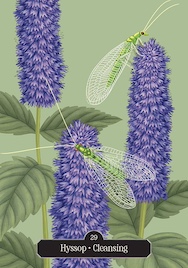
Horny Goat Weed, for example, accentuates the erotic and creative fire of Kenaz, foregrounding the rune’s generative, catalytic force; meanwhile, Lavender is paired with Wunjo, which together “gently remind us that within each of us, there is a sanctuary where we can always find solace, peace, and the magick of simply being.”17 In this way, the deck operates as a fusion of esoteric knowledge and embodied, earth-centered wisdom.

Roots in Feminine Power and Norse Cosmology

A strong current of feminine spirituality runs throughout the deck. The creators draw deeply from the mythic presence of the Norns, the weavers of fate, and from Mother Nature herself as an animating intelligence. Rather than offering a detached system of meanings, The Runes and Roots Oracle asks the user to engage with the spiritual and cultural background of Norse cosmology, combined with western esotericism and plant magick, as a living worldview.

This mythic engagement is reinforced through the spreads provided in the guidebook. Larger layouts such as the nine-card Yggdrasil spread or Loki’s Unveiling the Shadow four-card spread encourages deep psychological and spiritual inquiry, while even simpler three-card spreads (past, present, future) are framed through the lens of the Norns and the unfolding of Wyrd. The result is a deck that consistently gestures beyond fortune-telling toward participation in a living mythos.

There are 24 cards that feature the traditional Elder Futhark as well as an additional 12 Bind Rune Aett, which are created by combining two or more runes together. The intricacy of the plant correspondences with runes make for very layered, thoughtful card meanings.

The Booklet as Initiatory Text

The accompanying booklet reinforces this initiatory tone. Rather than functioning as a purely reference-based manual, it is structured as a frame narrative: the reader encounters Yggdrasil, engraved with runes, and meets the Norns themselves. This narrative device subtly shifts the reader from consumer to seeker.

The booklet includes a unique ritual for cleansing and binding the deck to the user, underscoring the idea that this oracle is meant to be informed by one’s relationship with the deck. Notably, the rune and plant entries are not numerically ordered, requiring frequent consultation of the index. While this may be mildly inconvenient for beginners, it also feels intentional—less a flaw than a design choice that favors intuition and familiarity over efficiency, particularly for those already conversant with the runes.

Later sections of the booklet, especially those dealing with bind runes and ritual work, further emphasize that this is not a deck designed for instant clarity. It is something “found,” like a relic pulled from a crone’s library, that must be studied, lived with, and slowly understood.

Card Imagery: Ancient Pages, Living Symbols

Visually, the cards resemble pages torn from an ancient spell book: parchment, papyrus, and aged engravings layered with symbols. Each card features a combination of imagery surrounding the central rune and its plant ally. There is a palpable nostalgia here, reminiscent of 16th-century pen-and-ink manuscripts, which harmonizes beautifully with the booklet’s suggestion that this deck originates from a witch’s cottage hidden deep in the woods.

User Experience and Learning Curve

My immediate impression of the deck was one of admiration, especially for the thoughtful integration of plant wisdom into the runic system. The imagery is vivid and layered, inviting contemplation rather than quick interpretation. That said, the cards themselves contain few descriptive keywords. Unless one is already familiar with rune meanings and/or herbal correspondences, readings often require repeated reference to the guidebook.

This becomes particularly noticeable in larger spreads, such as the nine-card Yggdrasil or the twelve-card Web of Wyrd, where grasping the gestalt of the reading can be challenging without significant prior familiarity. With time and repeated use, however, the deck clearly becomes more intuitive, suggesting that this slow unfolding is part of the designers’ intention.

In this sense, The Runes and Roots Oracle does not present itself as a tool made for the user so much as a tool the user must grow into. Its wisdom is not delivered; it is cultivated. In a similar spirit of cultivation, the plant wisdom of the deck may be taken as purely symbolic or ritualistic. However, the oracle also invites the user to put the deck’s plant lore into actual practice–though first advising the user to approach herbalism with due care and caution.

Final Thoughts

The Runes and Roots Oracle is a richly textured, deeply intentional deck that rewards patience, study, and mythic imagination. By uniting runic magic, plant allies, and feminine cosmology within a narrative framework, Miele and Rozzi have created something that feels less like a product and more like an inheritance, an artifact from a living tradition.

This deck will likely resonate most strongly with practitioners of witchcraft, those already familiar with the runes, those with an interest in plant correspondences, and readers drawn to slow, initiatory forms of divination. For such seekers, The Runes and Roots Oracle offers not just answers, but a relationship with symbols, with nature, and with the whispering roots of fate itself.

Seeds of Light Oracle Deck, by Danielle Venables and Stephanie Wicker-Campbell

Seeds of Light Oracle Deck, by Danielle Venables with artwork by Stephanie Wicker-Campbell
Muse Oracle Press, 9780645885095, 140 pages, 48 cards, November 2025

Seeds of Light Oracle Deck by Danielle Venables with artwork by Stephanie Wicker-Campbell is a colorful deck that invites users to connect with their intuition and cultivate personal growth through its evocative imagery and thoughtful guidance.

Danielle Venables is an author, mentor, akashic guide, and mother. As a spiritual midwife, Venables’ work focuses on soul purpose, holistic success, conscious leadership, and motherhood initiations. She has guided hundreds of women on their journey of empowerment since the birth of her daughter in 2019. She feels that this personal event ignited her own spiritual awakening. With this deck, she wants to “plant seeds of light.”18 You can learn more about her on her website.

“It is her goal, and soul mission, to plant seeds of light across the planet and activate the remembering of the divine light within every soul here at this time and to ultimately see the very fabric of society shift into more peace and harmony.”19

Stephanie Wicker-Campbell is a gifted illustrator and artist who combines artwork in a way that is simply out of this world. She has illustrated numerous oracle decks, journals, and book covers in rich hues and beautiful renderings. Here are some of her other publications reviewed previously.

What interested me about this deck was the name and the idea that we are all planting and harvesting “seeds of light.” As a lightworker in a modern world, I can use this special oracle for tapping into divine wisdom, and so can you!

To test the deck, I took it to my Friday Coffee & Cards group and my friends loved it!  Here is a short recap of a few of the cards drawn by the ladies in the group and their response to the guidance:

TB had a question about a relationship.
She drew the card Let Go. She smiled when she read “Trust that what’s meant to stay in your life will stay, without you trying to control and hold it together.”20

KS wanted to know how to best support her daughter, who is struggling.
This is her card: Sovereignty. The guidance included a note to be mindful of being overly generous or overextending yourself. She knew exactly what that meant and thanked me (and Venables) for the guidance.

LK asked a question about a financial matter.
Her card was Integrity. She was really challenged by the questions posed in the guidebook and the admonition to “consider whether your actions align with your values and vision.”21

The guidebook is carefully structured to make finding the guidance for each card easy, as Venables lists each card in alphabetical order in the Table of Contents.  For each card, she features a full-color photo of the card, lists the name of the card, a few key words, and then guidance.

She wraps up the written wisdom with what she calls “Integration” and lists two or three questions for more insight. I really love these questions, as it takes the guidance to a more personal level. You can journal your answers to the questions or just ponder the ideas presented.
Venables includes several spreads as well as a section on how to work with the cards. She covers the basics of setting the scene, shuffling, and allowing the cards to speak to you. Venables also presents the concept of reversed cards, how to read them, and gives several examples of interpretations of reversed cards.

In the back of the guidebook, she includes a short appendix, which lists the types of senses or “clairs” that everyone uses to tap into spiritual wisdom. This is one of the best descriptions of this topic that I have seen. 

One of the most striking features of the Seeds of Light Oracle Deck is its vibrant, uplifting artwork. Wicker-Campbell masterfully blends gentle pastels and radiant colors to convey a sense of hope, healing, and possibility on each card. The illustrations are modern yet timeless, with symbolic elements that encourage contemplation and connection. The back of the cards features a decorated frame that feels like a portal to higher guidance. One can use this image for meditation or gazing for more wisdom.

The card stock is of high quality with a smooth, matte finish, making shuffling easy and enjoyable. The deck is packaged in a two-part box that is both sturdy and beautifully designed, reflecting the care and intention behind this divination tool. The inside of the deck box reads:
“When you move in unwavering devotion to the desires of your heart, you can move mountains with faith alone.”22

Overall, Seeds of Light Oracle Deck is a heartfelt, radiant companion for anyone seeking guidance, inspiration, or a deeper connection with their own inner wisdom. Its combination of beautiful artistry and thoughtful messaging makes it a valuable addition to any spiritual toolkit.
Venables’ words are positive, encouraging, and compassionate.  Yet, the questions she poses invite introspection and accountability. Whether used for a daily card draw, in-depth spreads, or creative journaling, this deck truly plants seeds of light for personal and spiritual growth.

I plan to keep this deck on hand for my own daily card adventures and utilize it to close out client readings. The thoughtful questions Venables poses will be a great addition to my readings and discussions with clients and friends.