✨ A Gathering Place for Magical Readers and Writers ✨

Tag Archives: rockpool publishing

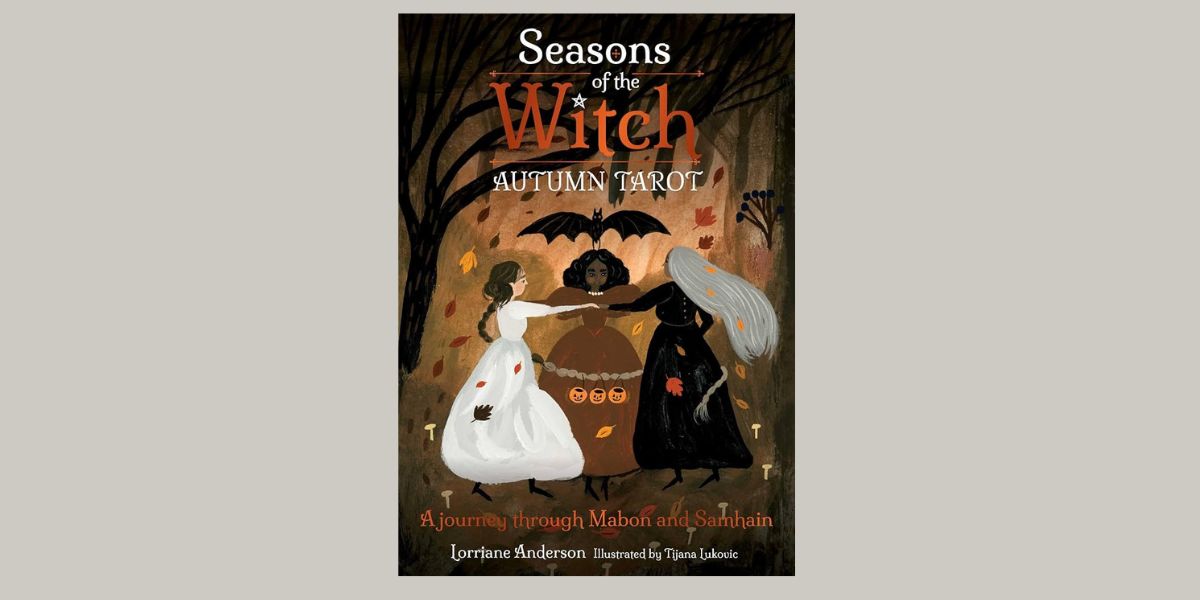
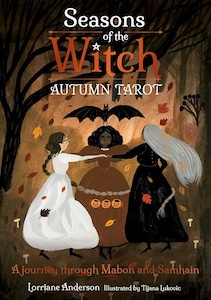
Seasons of the Witch Autumn Tarot, by Lorraine Anderson and Tijana Lukovic

Seasons of the Witch Autumn Tarot: A journey through Mabon and Samhain, by Lorraine Anderson with illustrations by Tijana Lukovic
Rockpool Publishing, 1923208748, 128 pages, 78 cards, August 2026

There is something inherently magical about the transition into autumn: the world seems to slow down, the days grow shorter, and nature begins its beautiful process of letting go. It’s my favorite time of the year! Seasons of the Witch Autumn Tarot: A Journey Through Mabon and Sanhaim by Lorriane Anderson with illustrations by Tijana Lukovic captures the season’s liminal quality beautifully, inviting readers to experience the traditional tarot through the shifting energies of autumn.

This 78-card tarot deck is a continuation of the beloved Seasons of the Witch collection. Anderson reimagines the Rider-Waite-Smith (RWS) system through the themes of Mabon and Samhain when the Wheel of the Year turns to the darker times. Harvest, gratitude, balance, transition, release, shadow work, death, rebirth, and the wisdom that comes from turning inward all become part of the reading experience, fostering new insights within the structure of traditional tarot meanings.

From the second I held this deck, I felt a magnetic pull towards it. The energy was just radiating the essence of fall. And while I am enjoying the end of summer, this deck has gotten me so excited for the shift of summer into autumn. For me, this is the magic of the Seasons of the Witch collection; the decks really foster an alignment with the season.

As soon as I opened the box, I was absolutely taken with the gilded orange edges filled with captivating images that are much more relatable for me than the traditional RWS imagery. The artwork by Tijana Lukovic highlights the warmth and coziness of Mabon with the mysterious, rustling atmosphere associated with Samhain. The palette of warm oranges, reds, browns, and autumnal golds makes the deck feel like stepping into a crisp October evening.

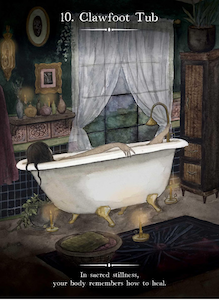
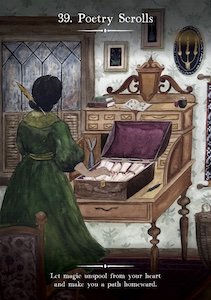
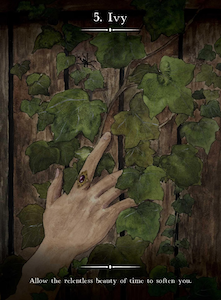
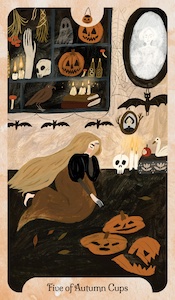
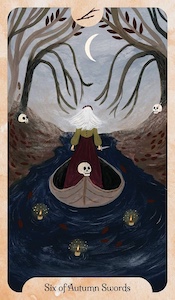
Shuffling through the deck, there are golden leaves, pumpkins, candles, woodland settings, witches, spirits, ghosts, and shadowy figures, which transport readers into the liminal space of autumn. There’s spookiness, enchantment, solace, and magic all within the artwork.

I see cards with a woman grieving, women together doing a spell, a woman gazing out the window reading a book, and one simply enjoying a steaming cup of something delicious I’m sure. Essentially, I see many versions of myself in the deck, which is why I feel like I resonate with it so readily.

Yet at the same time, there’s an otherworldly, fairy-tale-like quality to the deck that invites a feeling of whimsy too. This dance between the mundane and the mystical, where daily ritual becomes a portal for wider connection is so apparent in this deck. Lukovic just has a truly remarkable ability to capture the soulfulness of each season. I can’t get enough of all her expressive images!

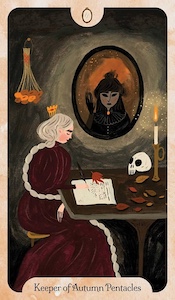
Further reflecting the autumn energy is the revisioning of the suits, which puts the tarot cards into a different archetypal perspective. Cups become jack-o’-lanterns, representing emotional warmth and light in the darkness; Wands become broomsticks, emphasizing cleansing and sweeping away what is no longer needed; Swords take the form of branches, connecting the suit with resilience and nature’s wisdom; and Pentacles become mirrors, turning attention toward self-worth, material relationships, and the reflection between our inner and outer worlds.

Anderson also makes some changes to the traditional tarot terminology to further immerse the reader in the seasonal world of autumn. For instance, the Sun becomes Sunset, the Moon becomes The Waning Moon, the World becomes Descending Into Winter.  The last change to the traditional RWS design is reimaging the Court Cards. Anderson calls Initiates (Pages), Seekers (Knights), Shepherds (Queens), and Keepers (Kings). According to the guidebook, this terminology will continue for all of the Seasons of the Witch tarot decks. These changes give the familiar tarot symbolism an entirely new atmosphere while maintaining recognizable connections to the familiar system.

All of the deck descriptions I’ve mentioned can be found in the guidebook, which is quite informative. Following an introduction by Anderson, there’s a page with themes for autumn, along with a passage about the seasons as archetypes. Anderson offers guidance for working with the deck, including how to do cleansing and dedication, situations to use the deck beyond the time of Autumn, and combining tarot with oracle cards. I especially appreciated her method for reading reversals with the deck, which was an emphasis on the card rather than an inverted meaning. From here, Anderson shares spreads for readers. They range from one-card pulls to a full 10-card spread to get to know the deck.

As for the cards’ guidebook entries, all of them follow the same format. First, there’s an image of the card followed by a description of the artwork. This is very valuable because it highlights the imagery, giving readers’ perspective they might have otherwise not noticed. This is followed by a divinatory message, which I noticed aligns with the message from the traditional tarot card represented. The final section of the entry is a list of additional meanings for the cards; this is very helpful for expanding the message for readers to consider alternative possibilities.

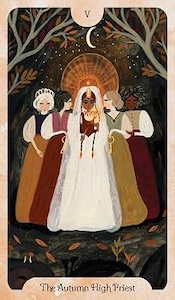
As an example, I was doing a one-card pull and drew The Autumn High Priest. This is one of the cards that differs a bit from traditional tarot, making it much more resonant and approachable for me. The imagery shows women whispering counsel into the ear of a woman veiled in a white gown. The description reads, “The presence of each of these women emphasizes community, tradition, and the transfer of knowledge from teacher to student.”1 What a wonderful framing of the energy!

Anderson does go on to explain the energy, mentioning how it relates to the traditional Hierophant card, while also keeping a nature-based, spiritual connection present in the message. The additional meanings include things such as honoring seasonal practices that keep us rooted, working within a hierarchy, formal study or initiation into a new discipline, and family influence on one’s love life. The different ways this card can be read allow for plenty of flexibility, allowing for readers to apply the essence of the card to find meaningful insight into their personal situation.

All in all, for readers who already love the Seasons of the Witch oracle decks, Autumn Tarot feels like a natural expansion of the collection. Though, it also works beautifully as a standalone deck for anyone who loves seasonal spirituality, witchcraft, nature-based practices, or tarot with a strong archetypal atmosphere. For those who find spiritual meaning in the turning of the Wheel of the Year or simply love the introspective magic of autumn, this is a beautiful invitation to slow down, look inward, and listen to what the season has to teach us. I love it so much!!

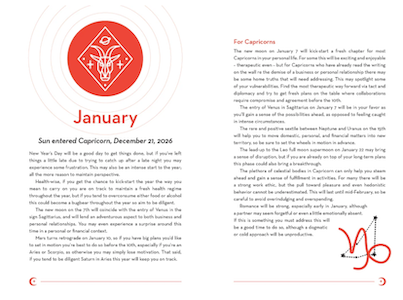
2027 Astrology Planner Calendar, by Patsy Bennett

2027 Astrology Planner Calendar – Northern Hemisphere, by Patsy Bennett
Rockpool Publishing,1922786349, 160 pages, May 2026

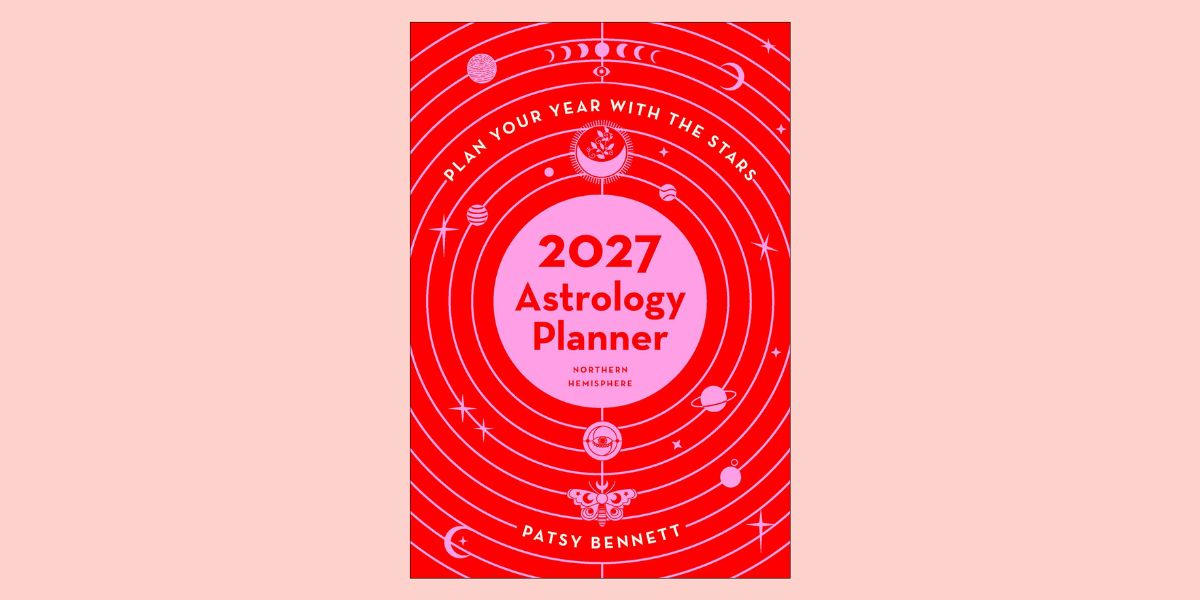
I’m a huge believer that the best way to learn astrology is by being aware of the current transits and keeping a day to day record of events. Oftentimes it’s hard to really understand the bigger patterns happening due to the influence of the planets until we connect the dots over a period of time. 2027 Astrology Planner Calendar – Northern Hemisphere by Patsy Bennett is perfect for this, blending practical scheduling with astrological timing.

Admittedly, my initial thought was that red wouldn’t have been my choice of color for a planner I was going to work with so closely for a year (I’d have preferred a more celestial blue or purple! But navy blue is the color of the 2026 one, so I guess Bennett wanted a different color this year. I *can* be open to change!!)

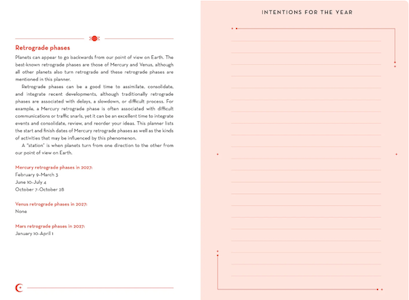
Once I got past this aesthetic preference, I did start to appreciate the durable cover, flexible spine, and pink bookmark ribbon. Bennett begins with a nice overview of the year, grounding readers in the major astrological transits. She also highlights for everyone how to use the planner, including an overview of moon sign energies and description of the astrological aspects. There’s also a page noting the dates of the retrograde periods for Mercury, Venus, and Mars this year. This general guidance makes the planner translatable for those who are new or still learning the basics of astrology, allowing the wisdom of the planner to be accessible.

The planner begins with December 31st, 2026 and moves through January 2, 2028, encapsulating all of 2027! At the start of each zodiac season, Bennett gives an overview of the astrological energy in play, highlighting the major events, and provides a special forecast for those who have that sun sign. It’s nice to have the “announcement” of the sign switching built into the format of the planner, rather than a mundane one that never delineated such a meaningful event!

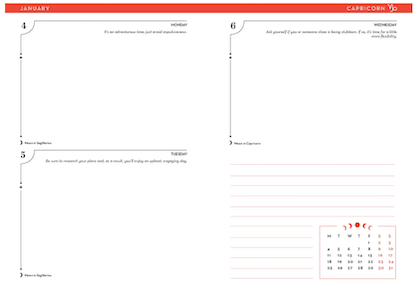
As for the planner portion, there’s a big blank space for two days or one day with lines and a general calendar below (best to look at the images in this review for explanation!). The clean layout balances usable planning space with just enough astrological insight to make each week feel connected to the larger cosmic picture. At the top of the blank space for the day is a general horoscope-esque advice and at the bottom is the sign of the moon and any significant planetary aspect. For instance, April 4, 2027 at the top reads:

“This is a good day to make a commitment to someone, and also for formulating long-term, positive plans. You will enjoy relaxing and allowing your mind to unwind, so ensure you find some space for yourself.”2

The planetary aspects for this day are Saturn trine Jupiter and Moon in Pisces. And, oh, there’s just so many things I love about all these details! First, as someone who embraces a lunar life, having the moon sign right there in a planner is so useful when making plans. Do I really want to go rock climbing with the moon in Cancer, or might it be best a few weeks later with the moon in Capricorn? If you consider things like this, as I do, then you’ll love having it written right there without having to pull up an app!

Then the even more nuanced astrological energy comes through in the transits too, which I often tend to… not pay attention to in my daily life. Without this planner, I am not always paying attention to the transits, such as when the Sun trines Pluto or Mars is sextile Jupiter, but with the planner laying it out so clearly so me, I have so much more astrological awareness in my daily life, which is valuable because now I actually pay attention to and gain insight into those days where the planets are interacting.

For those who truly love aligning with the planets, this planner has all you need. And the additional little snippets of advice by Bennett are a true bonus. Sure, I can translate the aspects myself, but it’s nice to have someone else give the guidance, making my mind not work as hard. And it’s truly a gift for those who are just learning astrology because they can gain the insight through Bennett while also seeing how the transits shape the guidance for the day.

The planner really helps everyone consciously align their goals, projects, and personal growth with astrology. And it’s so nice that the astrological guidance is practical rather than prescriptive, helping us all understand certain energies without becoming overly technical. In this way, the planner allows intentional living and personal reflection, deepening one’s astrological awareness and harmony with the year’s celestial rhythms.

Overall, 2027 Astrology Planner Calendar – Northern Hemisphere is a thoughtful blend of planner and astrological companion. Whether you’re setting weekly intentions, structuring daily life, or simply hoping to become more aware of the rhythms of the sky, Bennett offers an approachable resource that makes weaving astrology into everyday life both simple and enjoyable. Those who already enjoy tracking moon cycles, manifesting with lunar phases, or planning rituals around planetary movements will especially appreciate having everything gathered in one place.

Tarot Divinatorium, by André Sanchez

Tarot Divinatorium, by André Sanchez
Rockpool Publishing, 1923208470, 176 pages, 76 cards, April 2026

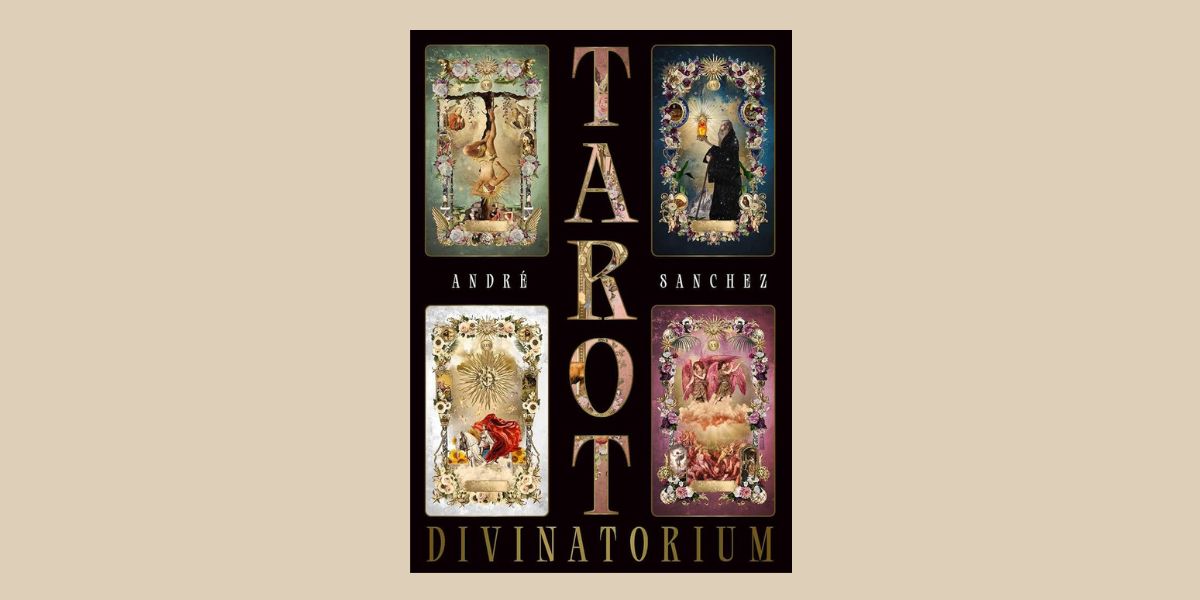
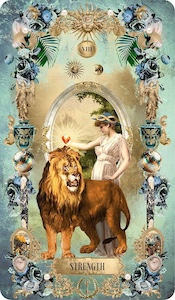
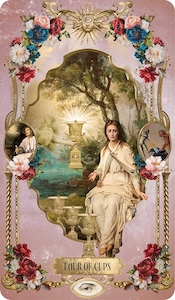
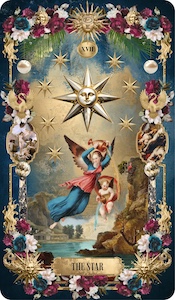
Art lovers rejoice in the stunning Tarot Divinatorium by André Sanchez! This elegant deck, designed to honor the history of tarot, transforms the traditional Rider-Waite-Smith (RWS) structure into a lavish visual language of art, symbolism, and beauty. Through intricate digital collage and classical art aesthetics, Sanchez invites readers into a time “where gentle noblemen and women await your queries with open hearts and reassuring insights.”3

At first glance, the deck is breathtaking. Rich gilded borders frame each card like museum masterpieces, while layers of Renaissance and Baroque imagery create an atmosphere that feels both timeless and surreal. Rather than simply reproducing Pamela Colman Smith’s iconic scenes, Sanchez reconstructs them using fragments of historical paintings, religious iconography, botanical motifs, and celestial symbolism. The result is a deck that feels luxurious and elegant.

What’s even cooler is that Sanchez had depicted classical paintings into every card. On the border, there are two paintings, representing the positive aspects (left side) and negative aspects (right side). These painting vignettes give readers a whole other layer of symbolism to work with, as you can go learn about the painting/artist, research it, and look at that too for further intuitive insights. For those who love art or art history, this is an amazing element of this deck; it’s something I’ve never seen done before.

I find it very fascinating to think about the time and dedication Sanchez put into creating this deck, meditating on the different meanings of the tarot cards and finding not just one but two paintings to represent the polarities of the cards’ meanings. It’s so neat to see these little paintings within Sanchez’s own original artwork, bringing such fascinating layers of meaning to the deck. This is definitely one of the most creative interpretations of tarot that I’ve seen.

Looking at this deck gives me the same feelings I felt walking around Philadelphia Museum of Art just the other day: awe and inspiration. The energy of this deck is regal, majestic, romantic, opulent, contemplative, and sacred all at once. There’s a luminous, timeless feeling that comes from gazing at the tarot archetypes depicted with Sanchez’s artistry, with each card hinting at hidden wisdom and every frame inviting closer inspection. I like how Sanchez didn’t do all borders the same way, so placement of the painting vignettes varies, giving the eyes an adventure of finding the little details. I could gaze at these cards all day long!

As for the guidebook, it’s well illustrated, colored, and easy to hold in one’s hand. For each entry, Sanchez provides insight into the meaning while also explaining the card’s imagery for further clarity. He also shares information about the left and right vignette, so readers know the paintings depicted and gain knowledge about how it represents the message of the card.

There’s a headlined subtext for each card too, which is useful for those who want quick guidance. For example, it reads “New Spiritual Power”4 under the Magician, and “Exciting Invitations”5 under the Knight of Cups. I appreciate these quick descriptions because they make it easy to piece messages from spreads that have multiple cards.

This goes to show that while there’s a lot of artistic complexity and symbolism within the deck,  the guidebook distills it quite nicely, making it accessible for all readers to find meaning. The familiar RWS framework ensures that experienced tarot readers will immediately recognize the narrative and symbolism of each card, while newcomers could still comfortably learn the traditional system without feeling overwhelmed. The imagery expands upon the original card meanings rather than obscuring them, making the deck equally suitable for intuitive readings and deeper symbolic exploration.

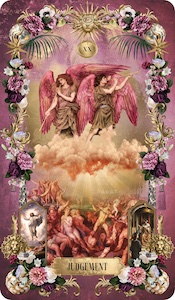
One of my favorite cards in the deck is The Devil. In the card, a semi-transparent veiled naked woman looms standing on a crescent moon with a black goat at her heels and snake wrapping around her leg. She has black wings and a crown of black and red flowers. Looking at it carefully, one notices black candles burning on each side too. Sanchez highlights all these symbolic elements in the guidebook entry, writing:

“There is an energy of obsession and jealousy surrounding this situation: the need for others to be obedient and bow to your will and the need to control. An element of weakness when faced with temptation is indicated.”6

Very potent! And the paintings associated with it are Portrait de Bacchus by Peter Paul Rubens (positive aspect) and Temptation of Saint Anthony by Joos van Craesbeeck (negative aspect). I really enjoyed going and spending time looking at these images as well.

Overall, this riveting deck is filled with avenues to explore. Sanchez preserves the symbolic integrity of the RWS system while presenting it through a contemporary artistic lens rooted in classical mastery and beauty. The result is a tarot deck that feels both familiar and refreshingly original. This is a collector’s deck that is equally capable of serving as a practical reading tool.

Whether displayed as an art piece or used for daily divination, Tarot Divinatorium offers an immersive experience that reminds us tarot is not only a system of symbols but also a visual language capable of transcending time through artistic legacy. Readers who appreciate fine art, layered symbolism, and intricate design will enjoy this deck. There’s so much to explore, and it’s a very compelling deck to work with time and time again for inspiration, creative appreciation, and discerning wisdom.

Kate Forsyth’s Hedgewitch Oracle, by Kate Forsyth

Kate Forsyth’s Hedgewitch Oracle, by Kate Forsyth
Rockpool Publishing, 1923208136, 144 pages, 44 cards, May 2026

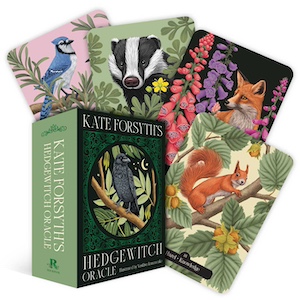
Hedgewitchery is a nature-based magical practice centered on cultivating a deep relationship with the land, the seasons, and the liminal spaces between the ordinary and the mystical. Rooted in folk traditions, it encourages practitioners to develop intuition, mindfulness, and a strong connection to the natural world through observation, herbal wisdom, divination, and everyday acts of magic. Kath Forsyth’s Hedgewitch Oracle celebrates this craft, sharing wisdom and beauty in the cards.

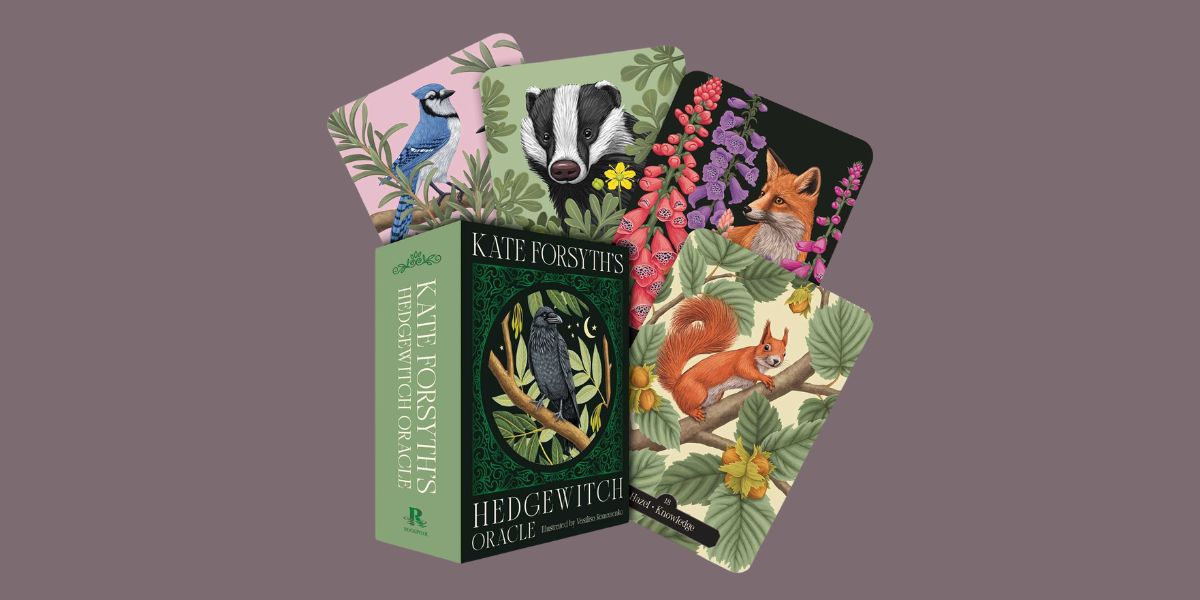
Kath Forsyth’s Hedgewitch Oracle is a 44-card oracle deck centered on magical herbs, folklore, and the hedgewitch tradition. Raised close to the Earth, Forsyth shares her knowledge about herbal magic, plant spirits, and folk witchcraft. Her skills as a storyteller ground the herbs in a wider context, inviting readers to truly develop an allyship with them.

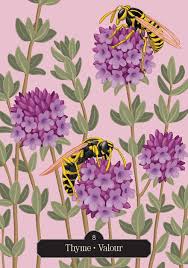
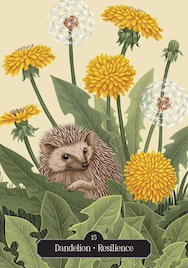
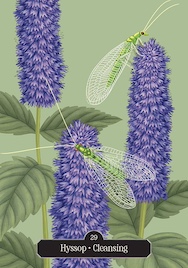
The deck itself is absolutely gorgeous. The cards have a feeling of naturalist botanical art, where the plants are depicted with the accuracy and detail of a vintage field guide or herbal compendium. Every leaf, flower, and stem appears carefully observed rather than stylized, showcasing its natural vitality and essence.

There’s a beautiful simplicity to the cards, as they’re all natural with no ornate symbols or extravagant patterns. The magic in the cards comes from the wildlife featured, giving the deck an animistic feeling. Meanwhile, the gentle energy of the cards still lends a bit of whimsy while remaining educational, contemplative, and rooted in traditional plant lore. The vivid colors and engaging detail make for an attractive addition to an altar space.

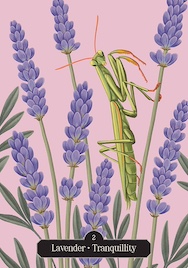
The depiction of animals or insects in nearly all the cards evoke the old belief that plants, animals, and spirits exist in relationship with one another. Plus, the animals are symbolic, adding to the layers of meaning for each card, such as an owl on the card Apple representing wisdom and the lady bug in the card Verbena for blessings. This is definitely a great deck for bird lovers, as there’s many cards with them!

As for the guidebook, Forsyth shares guidance on how to use the cards and provides a few spread options. The cards are grouped into four categories, which is indicated by the background color of the card’s image. They are as follows:

❁ Pink – Herbs for love, tenderness, strength and tranquility

❁ Yellow – Herbs for friendship, happiness, optimism and vitality

❁ Green – Herbs for fresh beginnings, healing, intuition and transformation

Black – Herbs for banishing, guarding boundaries, mystery and shadow

This mixture of categories makes for a varied deck, offering meaningful insight into different facets of life. Each entry has the name of the herb, its scientific name, and the key word at top. Forsyth provides a one sentence meaning for the card and then a section about the wisdom of the card, which tells the historical use and folklore. The final section is “Spell of the Day” where Forsyth shares a magical way to use the plant, often including an incantation.

Most of the spells are easy to do with things on hand, though some might require a bit of material gathering. For instance, the spell for the card Comfrey suggests taking a bath with comfrey-infused oil and mineral salts, while the dandelion card calls for a yellow candle. What’s nice about the spells though is how Forsyth encourages collecting herbs from the wild. This isn’t something I usually do, but it has spurred me on to take more interest in where these herbs might be found locally, which will obviously differ by region.

And while Forsyth does offer a message for each card, in the style of a traditional oracle deck, I’ve found this deck to be more useful for the spellwork aspect than divination. I also think readers could definitely use the guidebook to enhance their herbalism knowledge without even needing to work directly with the cards. Though, it is so fun to do spreads and see if any themes emerge in regard to the different card categories. Sometimes, I even divide the cards into categories and specifically draw a card from one based on the type of magical support I am seeking.

So far all my readings have felt very aligned. A few days ago, I felt a bit of negative energy in my energy field, so I decided to pull a card. I got Sage, which Forsyth has given the keyword “Purification”7 The meaning for the card reads:

“Every now and again you need to stop and take a moment to reflect on your life and yourself, take stock of what is beneficial to you and let go of anything that may be doing you harm.”8

I resonated with this, and it encouraged me to be proactive in assessing where the negativity was coming from and creating a boundary. The spell Forsyth shares is creating a smudge stick and using it while repeating an incantation. I plan on doing this soon!

Overall, Kate Forsyth’s Hedgewitch Oracle is great for readers who enjoy herbal magic, nature-based witchcraft, and working with plant allies. Forsyth’s approach to plants as both a folklorist and hedgewitch brings a unique combination: readers get the practical knowledge along with magical lore. By weaving spiritual practice into daily life, this deck fosters a sense of grounding and belonging, reminding us that magic is not separate from the world around us but woven into the rhythms of the living earth. I love the reverence she holds for the natural world as well as the enchanted well she invites readers to perceive these herbs.

Friendship Oracle, by Helena Elias

Friendship Oracle: Celebrating Connections, by Helena Elias
Rockpool Publishing, 1922468061, 36 cards, 128 pages, May 2026

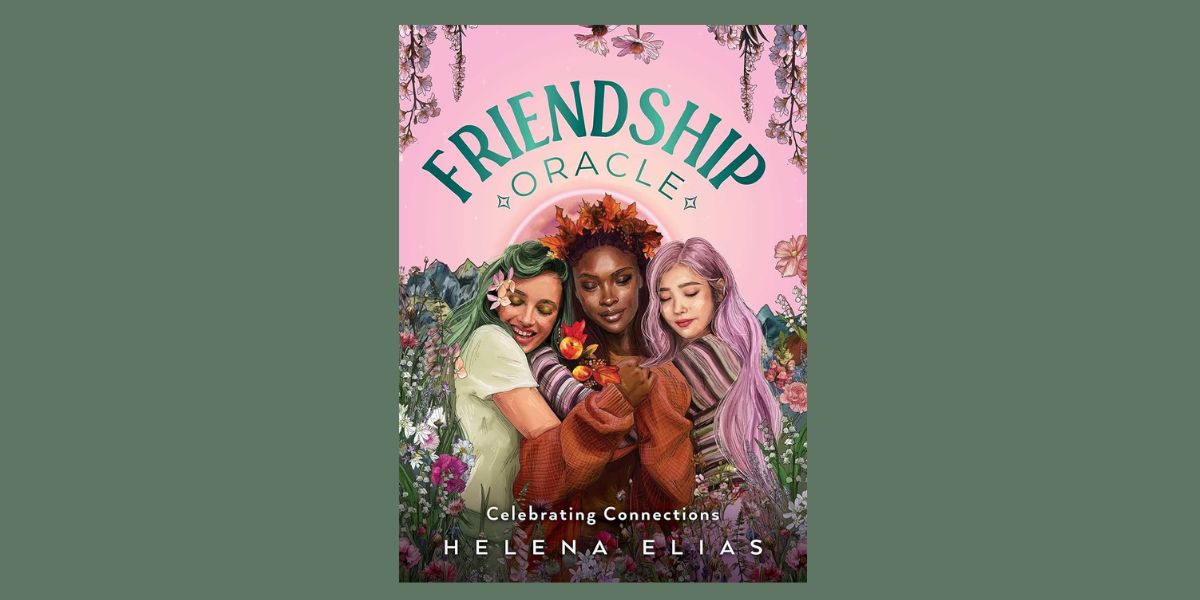
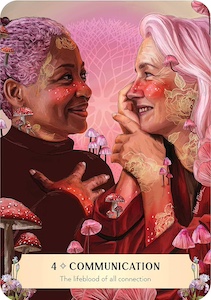
Friendship Oracle by Helena Elias is a beautifully tender oracle deck that centers something often overlooked in spiritual tools: friendship as a sacred force. This deck brings connection, mutual care, emotional reciprocity, and the quiet magic of growing alongside others to the realm of divination–something new for me even with over ten years of reading experience!

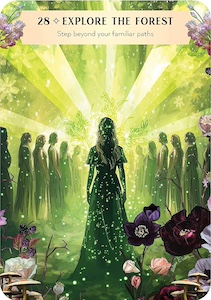
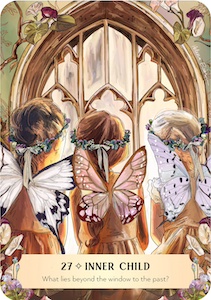
I was immediately drawn into this deck because of the artwork. Elias hand drew each one on digital canvas, and the level of detail is truly impressive. The deck is a nice blend of enchanted femininity, cottagecore mysticism, and emotionally rich whimsical illustration. Flower crowns, natural textures, fairy wings, flowing dresses, and woodland imagery evoke a whimsical energy, honoring the beauty of the natural world.

All the imagery feels soft, nurturing, and deeply heartfelt. I love the warm, glowing color palettes, which lean into luminous golds, rose pinks, forest greens, deep burgundies, and moonlit ambers. Women and nature are one in this deck where flowers, forests, animals, and celestial imagery aren’t just decoration; they mirror the emotional tone of each card.

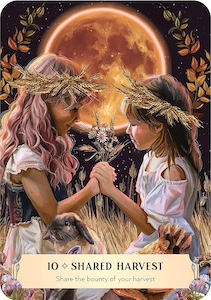
Many of the people are depicted in a semi-realistic fantasy style, featuring delicate detailing, glowing skin, flowing hair, and expressive faces that capture the emotional expansiveness this deck offers. Many of the cards emphasize a sacred sisterhood relationship filled with emotional intimacy, care, and connection between women across ages and identities, which is just beautiful to see come to life during a reading.

As for the guidebook, Elias provides a great perspective on friendship. For each card, there’s a meaning shared and a sowing intention ritual that offers a nature-inspired way to integrate the energy of the card. For instance, the sowing intention for the card Reach Out reads:

“Seek out flowers, paying attention to any buzzing bees nearby. Take time to exist in the present, and see if watching the bees and their path brings anyone to mind.”8

I thought that was such a great idea for tuning into who might need you to reach out! Similar to this buzzing advice, the whole guidebook feels thoughtful and intentional. There’s a good mixture of self-care mixed into the relationship-tending oracle advice too. As most know, it can be hard to figure out what to do when a friendship hits a bump in the road; sometimes the balm is more time alone, while other times it requires extra attention to heal. This advice in the guidebook covers the range of phases friendships move through, offering meaningful guidance for reflection.

At first, I wasn’t sure what kinds of questions to ask, as I don’t usually do readings about my friendships. Romantic life? Definitely. Career and money? Quite often. Family life? For sure. But my friendships?! Rarely! But then I started to think about my different friendships and get curious about what insight the deck has to share. Each reading so far has been very energetically spot on and informative for me. Here’s some examples:

I recently got back in touch with a woman who was my best friend from the age of 10 through 25–one of closest friendships I’ve ever had in my life. During our mid-twenties, life pulled us apart, placing us on different paths. There was never a fight, just relocations that reoriented our lifestyles: new friendships, new jobs, new relationships. Despite thinking about her regularly, nearly ten years had passed since we talked; with each passing year it seemed harder to bridge the gap. But then when I found out her mom passed away last month, I reached out. We ended up having a great conversation about where we are in life now, opening a doorway to a renewed friendship.

I decided to pull a card about this situation with her, and I got Soulmate! Here’s part of what Elias has written for this card:

“This is a reminder to honour those friendships that make your soul feel at home. You may be entering a time where you need each others’ strength and unconditional support. If your guiding star has been distant, perhaps this is the moment to reach out, to remind them that their light still shines in your sky.”9

This message was so validating that I did the right thing in rekindling our friendship. It highlighted for me just how valuable this rare such a soulful bond with another person is, and that I should embrace it once again.

Another reading I did was about a friend that I have known for decades but I don’t feel a deep connection to recently; our friendship seems based more on convenience than shared passions or interest. The card I got was Seeker. The first sentences of the guidebook entry made my jaw drop:

“There are times in life when our connections do not bear the fruit we anticipated. You may be at a point where you need to look outside your current garden of friends – not seeking to replace but instead to connect with those who match your current life path.”10

This message really resonated with me. I still value, love, and and appreciate this friendship, but it’s also okay for me to expand my circle to find those who feel more aligned.

Overall, Friendship Oracle feels like a refreshing addition to the oracle space. Its heartfelt messages, visually enchanting cards, and spiritual focus on the healing power of human connection make it a one-of-a-kind deck. Elias reminds us that friendship is not something casual, but rather the roots of some of our most sacred bonds that require reflection, honesty, communication, and renewal.

This deck is perfect for journaling with, doing relationship check-ins, or even working with in a community-centered spiritual practice such as a women’s circle. The emotionally nourishing and mystical nature of the deck revives the spirit and brings a clarity to our defining relationships. I really would love to see more decks from Elias!!

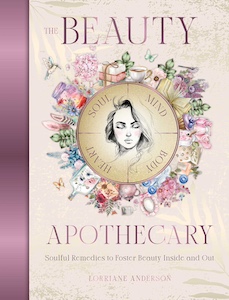
The Beauty Apothecary, by Lorraine Anderson

The Beauty Apothecary: Soulful Remedities to Foster Beauty Inside and Out, by Lorraine Anderson
Rockpool Publishing, 1923208012, 224 pages, March 2026

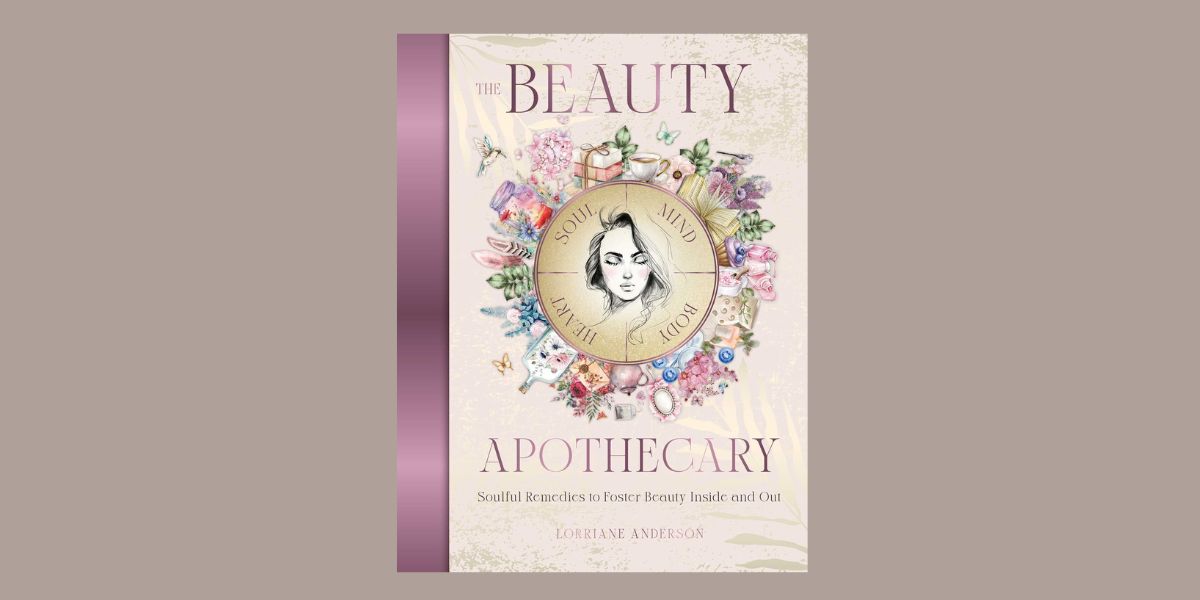
Beauty brings a quiet but powerful richness to life, shaping how we experience the world and ourselves within it by fostering presence and inviting us to slow down, notice, and connect more deeply. The Beauty Apothecary: Soulful Remedies to Foster Beauty Inside and Out by Lorraine Anderson highlights the value of fostering beauty in one’s life and presents a multitude of ways to enhance it day to day. Anderson shows that beauty is not a luxury, but a form of nourishment that restores, inspires, and reminds us that there is something worth savoring.

This sacred beauty bible invites readers to embrace beauty inside and out, blending self-care, spirituality, and ritual into a holistic approach to beauty. Rather than focusing on external aesthetics alone, the book emphasizes inner nourishment—mind, heart, and soul—as the true foundation of radiance. Anderson explores themes like self-love, self-awareness, and self-soverignty, while also offering recipes for more tangible beauty products for everyday use.

“It’s a metaphorical apothecary if you will, meant to address both a tangible sense of beauty through your physical body and environment, as well as an intangible sense of beauty through your emotions and spiritual connection.”1

Divided into three parts, the book begins with an exploration of beauty archetypes. Anderson has designed a quiz for readers to discover which of ten beauty archetypes they embody. The multiple choice questions get you reflecting upon things like what self-care means to you and when you feel most beautiful. I was quite surprised to realize how  much I enjoyed sharing beauty with others by my answer choices, revealing the Lover archetype as my most dominant!

For each of the archetypes, Anderson provides a whole profile. She details how each archetype fosters beauty as well as what drains their beauty. She provides insight into their approach to both inner and outer beauty, offering the best beauty strategies, restoration methods, and remedies for them. I gained a lot from my Lover profile, and I also really enjoyed reading through the different archetype profiles to learn about their essence and explore the many ways beauty shines in others. I’m sure my archetype might change, so I appreciate having this quiz and profiles handy to check in from time to time.

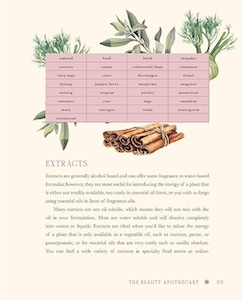
The other chapter in “Part I: The foundation of beauty” is an introduction to the items used for natural beauty products: plants and herbs, fragrance oils, essential oils, carrier oils, extracts, creams and lotions, salts and sugars, waters, and alcohols and witch hazel. While there are whole books written on these topics, Anderson gives enough information to make readers feel knowledgeable enough about these products to feel comfortable trying out the recipes later in the book.
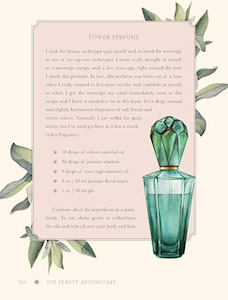
“Part II: Nurturing Inner Beauty” has three chapters focusing on mind, heart, and soul. For each aspect of inner beauty, Anderson provides an overview, three aspects of “self” related to the principle (ex. Self-compassion for heart, self-awareness for mind), a chart of natural allies (essential oils, plants, and carrier oils), and rituals and recipes. From special Venusian candles to bath scrubs, yummy moon milk to grounding bed sheet powder, there’s so many neat DIY possibilities offered for fostering inner beauty.
In the last section, “Part III: Nurturing Outer Beauty”, Anderson offers a balanced approach to beauty, sharing her best beauty tips while also cultivating a grounded spiritual aspect to her approach too. Suggestions like building a beauty altar and performing a sacred adornment ritual set the stage for the wide variety of recipes to follow.

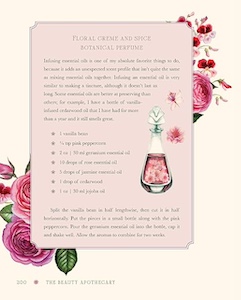
The chapters focus on everyday beauty and then beauty for hair, body, and fragrances. In this part, the recipes are a bit more elaborate, guiding readers to work with base products (carrier oils, lotions), specific ingredients (herbs, essential oils), and tools (double broiler or crock pot, the right containers for the items). These acts of cultivating beauty often require time and intention, asking us to pause in a world that rewards speed, but the investment is a worthwhile one.

All throughout, Anderson’s writing tone is gentle, affirming, and spiritually infused. Her style imparts wisdom while also engaging the intuitive, emotional side of readers too. While informative, Anderson presents content that is calming and reflective, reading less like a manual and more like a guided self-devotional text. Her holistic approach to beauty is refreshing, opening up readers to the energetic state of beauty in addition to the physical appreciation of it.

And given the topics covered, it only makes sense the book itself is balanced, beautiful, and visually alluring. Different texts and fonts, bullet points, and soft color tones make the content easy to absorb. The illustrations infuse the text with the beauty of the natural world and provide a place for your eyes to rest while your mind wanders.

So far, I’ve mostly focused on bath salts and sugars–my favorite type of beauty care. But I am looking forward to branching out to try more of the recipes this summer when I have a bit more time on my hands. For now, the reflective questions in the inner beauty sections are serving as guides for my spirit, inviting me to explore more deeply what beauty means to me and how I can cultivate it in my life.

Overall, I highly recommend The Beauty Apothecary for those seeking a bridge between beauty rituals and spiritual practice. Anderson’s approach honors and highlights beauty in ways that feel interactive rather than just conceptual. Readers who view self-care as sacred or who want to deepen that perspective are sure to appreciate the blend of embodied practices, recipes, and inner exploration, making for a variety of ways to connect with the material. The integration of emotional well-being, spiritual alignment, and self-perception into the concept of beauty is a welcomed approach to wellness.

About the Author

Lorriane Anderson is a tarot reader, astrologer, spiritual teacher, and entrepreneur whose work centers on intentional living and spiritual transformation. She is best known for her Seasons of the Witch oracle series, though her other titles are amazing too, such as Moon Apothecary and Witching Hour Oracle. Anderson also operates spiritual education and product-based businesses, including Spirit Element and Made with Stardust. Her writing is deeply informed by ancestral practices and modern spiritual frameworks, aiming to make ritual and energetic work accessible in everyday life.

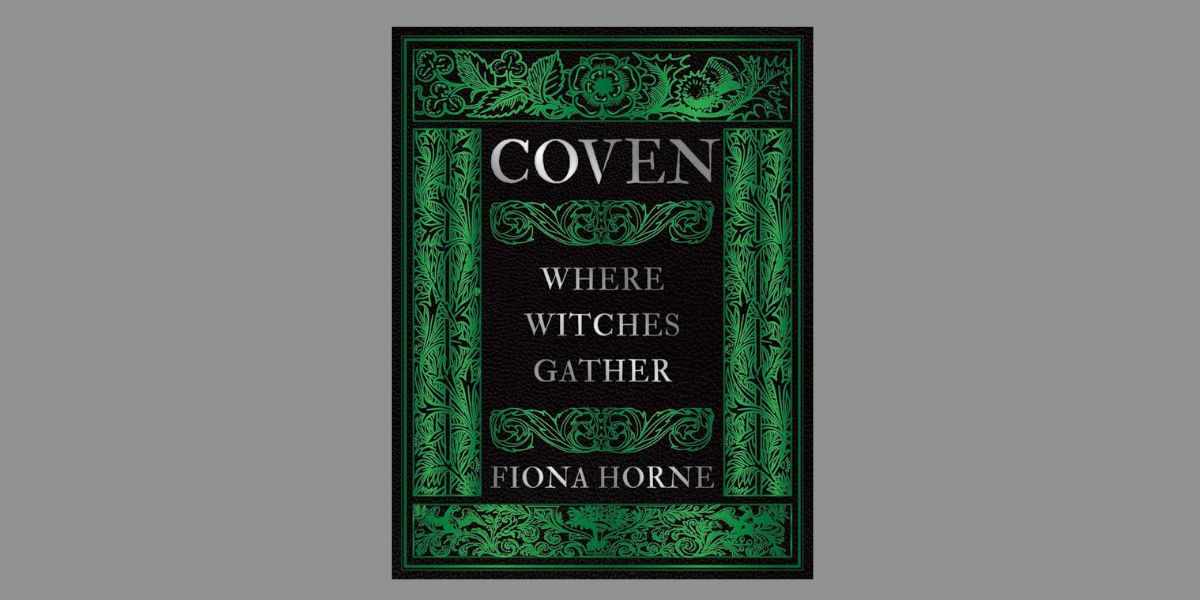
Coven, by Fiona Horne

Coven: Where Witches Gather, by Fiona Horne
Rockpool Publishing, 1923208462, 272 pages, March 2026

For many witches, the path begins in solitude – a quiet unfolding of intuition, ritual, and personal power. Yet there is a different kind of magic that awakens when practice becomes shared. Being part of a coven offers more than companionship; it creates a living current of collective energy where wisdom is exchanged, strengths are amplified, and individual blind spots are gently illuminated. Within a trusted circle, ritual deepens, accountability strengthens intention, and transformation becomes both witnessed and supported. Coven: Where Witches Gather by Fiona Horne explores how magic can be enhanced through group relationship, becoming shared sacred work, and offers guidance for creating or finding your own magical community.

Author Fiona Horne is an Australian witch, author, musician and teacher who emerged publicly in the 1990s as one of the first modern practitioners to openly identify as a witch in mainstream media. Raised with an early interest in mysticism and the occult, she later helped popularize contemporary witchcraft through bestselling books that reframed it as a nature-honoring, self-empowered spiritual path rather than something secretive or sensationalized. Over the decades, her work has focused on making witchcraft accessible, community-oriented, and aligned with modern life, encouraging practitioners to claim their identity openly and practice with confidence. This book is a revised and updated version of her previous publication The Coven: Making Magick Together (2003).

I was immediately impressed with the smooth texture of this book and gilded green edges. Though light in weight, there is a feeling of spiritual significance that comes through the book’s design. There’s a sensory elegance to it; the surface feels deliberately textured with care, as if it was made to be handled slowly. Instantly, I recognized this as a potent grimoire.

Peeking inside, I noticed the enchanting design continues within too. The interior pages all have an intricate border design, adding a feeling of elegance. The text is well structured and neatly organized with plenty of headings, bullet points, and different size and style of fonts. There’s also a nice ribbon for bookmarking your place. All throughout illuminating black and white images that contribute to the magical resonance, infusing the text with visual prompts too.

As for the content, Horne begins with a chapter introducing witchcraft, including what witches believe and laws of witchcraft (many from traditional Wicca), followed by a chapter on witchcraft in the past, present, and future. The information in these sections sufficiently grounds readers in the wider context of witchcraft, a base from which they can then go and explore covencraft.

“A coven is a sacred space – but it’s also a shared space, and that means it comes with all the beauty and complexity of human interaction.”11

There’s so many elements to a coven, and Horne covers the different aspects and layers of this joint interaction in the following chapters. From the get-go she distinguishes the type of coven this book is aimed for is different from traditional Gardnerian and Alexandrian witchcraft ones. Some of the differences in modern covens that Horne values are things such as shared leadership, inclusivity, environmental focuses, and rapid adaptation and flexibility. Meanwhile, she also shares different types of covens, ranging from eclectic ones with members who have a mixture of magical backgrounds to “working” covens that are more focused on learning and discussion, and noting how some covens meet in-person while others are virtual. The main emphasis is on the variety of ways a coven can exist, giving readers plenty of room to feel into what would be best suited for them.

As for actually forming or finding a coven, Horne provides plenty of advice for where one might connect with other like-minded souls, even providing an attraction spell. She also shares how to know if someone is a good fit for a coven. Once the group is established, Horne guides readers through the process of establishing responsibilities, picking deities, naming the coven and choosing a magical name for one’s self, and deciding where to gather. She also covers topics such as choosing which tools to use within the coven as well as wardrobe when gathering, noting the financial element of these decisions too. All of these small decisions laid out clearly provide a good roadmap for beginning a coven’s journey.

Horne has a whole chapter dedicated to how to run a coven meeting, including preparation, casting a circle, element invocation, inviting the deities,raising energy, and closing the circle. This chapter is a great resource for those familiarizing themselves with group magic. Subsequent chapters then cover topics such as sabbats, spellwork, group meditation, magickal gathering (open to those outside the coven too), sacred play, sex within the craft, and healthy living.

One chapter that I think is very valuable is “The Art of Coven Keeping” because I’ve seen SO many covens fall apart from disagreements, gossip, jealousies, misunderstandings, and simple lack of energy or interest in maintaining them. There’s usually a potent energy at the formation of a coven, but sustaining this energy takes work. In addition to this information in this chapter, Horne also has created an oracle deck, Coven Oracle, to provide insight into group dynamics that I think is a great tool for any group work.

I really resonated with her approach to covens, making it feel much more accessible than the traditional, “hidden” covens that require much more rigid adherence to a belief system and thorough initiation. In fact, Horne’s approach to the coven dispelled many long-standing beliefs I had about covens. For the first time, I believed it was possible I could create my own or find an aligned magical community. Not only does Horne provide an overview of how to do this, but she leaves so much room for personalization, especially considering every coven will have unique energies. I enjoy how she honors the art of covencrafting, rather than trying to make it fit in specific and outdated boxes.

At the same time, Horne takes a very practical approach to covens. The chapter dedicated to legally incorporating a coven as a spiritual organization was all novel for me. I had never really thought about this approach, but it makes sense in that the organization becomes tax exempt and is eligible for grants. I appreciate how Horne offers this, in addition to all her magical advice, because it grounds the potential of each coven in our structured reality.

“Because beneath the hashtags and highlight reels there is still a living, breathing mystery – a sacred, subversive truth that belongs to witches; a truth about power, connection, and the unseen forces that shape our world. This book isn’t just a how-to. It’s a lived testament to community, courage, and the magick we create when we gather in trust and intention.”12

Overall, Coven stands out as a thoughtful and practical resource for witches drawn to group magical working. Horne offers meaningful insight into not only how to form a coven, but how to nurture, protect, and sustain its energetic integrity over time. By weaving foundational witchcraft principles with guidance on leadership, harmony, and shared intention, she creates a framework that feels both accessible and purposeful. For those seeking to move beyond solitary practice and into the alchemy of collective magic, this book serves as a steady and encouraging guide. There’s so much to explore within a group witchcraft practice, and Horne has truly provided the community with a valuable tool for navigating this special type of magic.

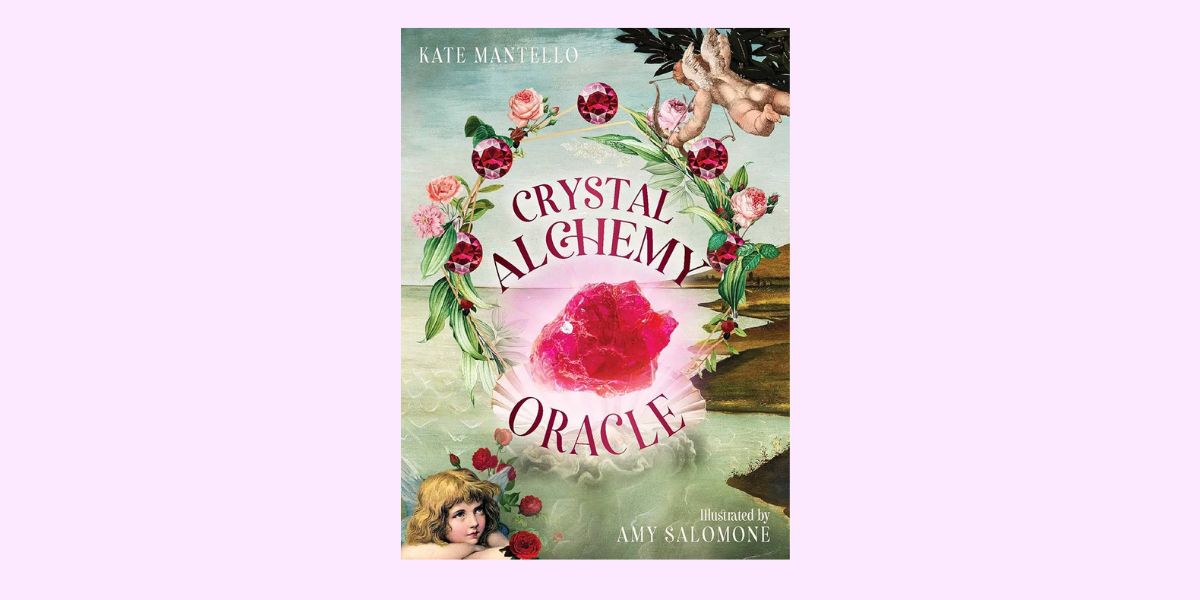
Crystal Alchemy Oracle, by Kate Mantello and Amy Salomone

Crystal Alchemy Oracle, by Kate Mantello with illustrations by Amy Salomone
Rockpool Publishing, 1923208314, 128 pages, November 2025

Crystals and chakras share a natural harmony, both working through the subtle language of energy. The many crystals and chakras each vibrate at their own frequencies aligned with certain energetic states, which when attuned to can shift one’s state of being, such as deepen spiritual awareness, enhance emotional healing, or promote mental clarity. When used together, crystals can act as tuning tools for chakras, helping to clear blockages, amplify the flow of life force energy throughout the body, and activate the energy of each chakra.

In Crystal Alchemy Oracle, creator Kate Mantello, renown for her work in crystal therapy, brings the vibrational medicine of crystals into a beautifully-structured deck that guides readers in working with crystal energies for personal growth and transformation. Filled with a luminous fusion of crystal wisdom, energy healing, and spiritual insight, each card captures the essence of a specific crystal and chakra while also inviting readers into a meditative dialogue with their own intuition. And thus, the alchemical process begins!

“Life itself is built on the backbone of alchemy, the underlying principle that teaches us that the highest and purest expression of ourselves comes when our energetic offerings are of higher value than the energy we consume to create them. It is the process of turning our fears into strengths, knowledge into wisdom and shadows into light.”1

Within the guidebook Mantello offers plenty of insight about how to best work with this deck. She teaches readers how to understand and use the cards, provides insight on finding one’s own meaning for the cards, shares how to cleanse and protect them, guides how to use the cards intuitively, and offers spreads to use for this deck.

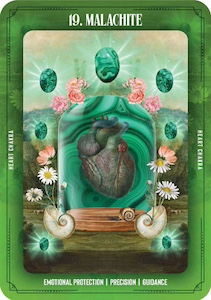
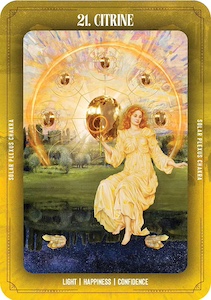
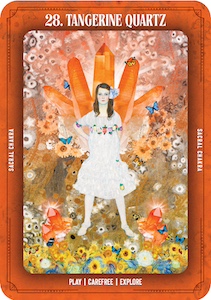
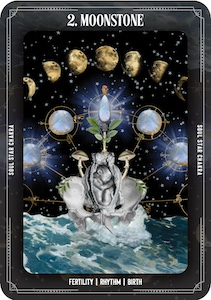
The deck is structured by chakra, which all have their own color. Going beyond the traditional seven chakras (Root, Sacral, Solar Plexus, Heart, Throat, Third Eye, Crown), Mantello also includes the Soul Star Chakra and Earth Star Chakra. For each chakra, there’s four different cards, each represented by a crystal, bringing the deck to a total of 36 cards. The gilded red edges of the card make for a fun shuffle and visually appealing aesthetic.

My initial impression of the deck was that it is whimsical, light, and ethereal. When I first opened the deck and saw the rainbow of colors, I felt a tingle go up my spine, as though just holding the deck made my chakras come alive. The illustrations by Amy Salomone seem to shimmer with the living energy of the crystals themselves. Yet when I dove deeper into the deck, I saw that amid the beauty there was also plenty of deeper spiritual knowledge; it’s not all light and love – the shadow too has a place in this deck as a base to start our transformation with.

Salomone’s artwork, which is delicately layered in a collage-like format, evokes the natural attraction of each crystal while also capturing the chakra energy that the crystal represents. Filled with symbolism, each card has its own special energy that covers the full range of human emotion within the deck. It’s gorgeous how Salomone bridges anatomy, crystals, spheres of light, celestial objects, plants, animals, and sacred geometry to show the progression from the cards representing deep Earth through the human body up to the stars.

The soft yet radiant images create a surreal quality that evokes both the geological beauty of crystals and their metaphysical resonance. These are cards that I absolutely want to keep on an altar where I can see them over and over again to meditate on them daily. Each card feels like a sacred portal, providing the visual stimulus to activate the chakra energy.

One thing I love about Crystal Alchemy Oracle is how you can access the frequency and move through the alchemical process without needing to purchase or work with the actual crystal. This saves a lot of time, money, and energy that would otherwise be spent hunting for the right crystal; the deck is more than enough to activate the energy on its own, making it a potent yet practical tool to have on hand! This also provides new ways to learn about the crystal through Salomone’s symbolic depictions and Mantello’s oracle insights.

For each guidebook entry, Mantello has provided a spirit and shadow keyword, key energies, affirmation, healing opportunity, and crystal alchemy. The crystal alchemy section “includes practical suggestions and prompts” for working the crystal that highlight its properties based on “colour, mineral composition, energy and shape.”13

Together, Mantello’s insights provide plenty for readers to reflect on to assess the current energy in play. Being able to acknowledge the healing opportunity presenting itself and then also read the crystal alchemy section for guidance on what practical things can be done to realign this energy is very useful. I appreciate when a deck is direct yet leaves plenty of room for the reader’s intuition to be heard too, which is just what Mantello has made happen in Crystal Alchemy Oracle.

So far, I keep pulling Star Soul Chakra cards. Mantello explains how this chakra is a very high vibration, connecting acting as a “doorway through which you can connect with your higher self and the spiritual realm.”14 Crystals in this suit, such as Clear Quartz and Apophyllite, have shifted my attention to my greater life purpose and how reaching this potential requires releasing old trauma to allow for deep healing to occur. As I realign my direction right now, it actually feels good to rip the band aid off some wounds I’d been neglecting to truly look at and tend to with care. Based on this guidance, I am spending more time outside having quiet moments to listen for higher wisdom, opening up to the advice of my spirit guides and divine protectors.

Overall, Crystal Alchemy Oracle is a beautifully crafted deck that merges crystal guidance with energy work through the chakras. There’s so many ways one can work with this deck, including for divination purposes, deepening one’s spiritual connection, facilitating personal growth through inner wisdom, or to do energy work. It can serve as a daily source of affirmation, a companion in meditation, or a way to align one’s energy with specific intentions. The versatility of this deck makes it a wonderful, multi-purpose tool.

This oracle deck is ideal for readers who want to deepen their relationship with crystals, energetic anatomy, or intuitive healing. The combination of Mantello’s crystal therapy expertise and Salomone’s ethereal artistry creates a sublime experience that feels nurturing, radiant, and deeply empowering when reading with this deck. It’s perfect for healers, intuitives, and anyone drawn to the subtle conversation between crystals, body, and soul.

Seasons of the Witch: Yule Journal, by Lorraine Anderson and Giada Rose

Seasons of the Witch: Yule Journal, by Lorraine Anderson with illustrations by Giada Rose
Rockpool Publishing, 1923208365, 208 pages, October 2025

Yule, which is celebrated during the winter solstice, marks the longest night of the year and the quiet beginning of winter’s embrace. As the world slows and darkness lingers, the season’s energy naturally calls us inward, inviting stillness, reflection, and renewal. This quiet time, when trees are bare and many animals are hibernating, is a moment to honor the cycles of rest and rebirth, tend the inner flame, and listen to the wisdom that emerges in silence.

It is in this silence where some of the most profound spiritual insights can finally be heard, especially with tools that attune people to their inner landscape. Journaling during the winter months becomes a powerful practice, offering space to reflect on the past year, release what no longer serves, and plant seeds of intention for the light’s gradual return. Similarly, the introspective energy makes this season a wonderful time for oracle readings, promoting deep spiritual work, reflection, and intention-setting for the year ahead.

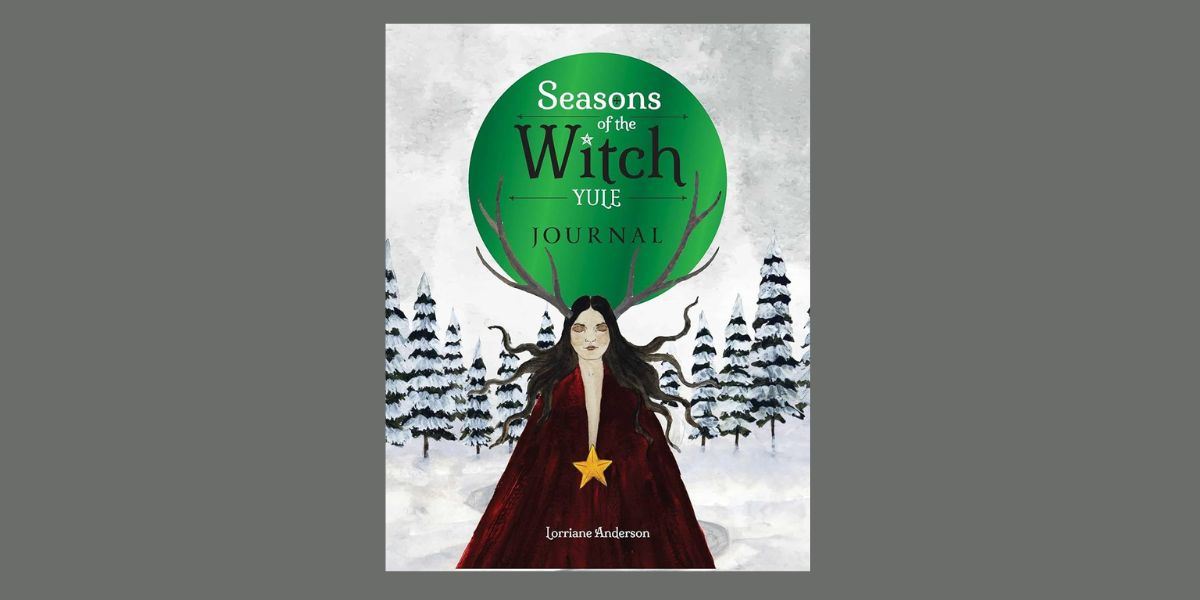
Season of the Witch: Yule Journal crafted by Lorriane Anderson and illustrated by Giada Rose is a wonderful companion for the winter months, blending the art of journaling and oracle readings. This beautiful, full-color journal is designed to provide people with ample space for their solitary musings, seasonal observations, and oracle card readings during the Yuletide season.

Spanning 208 pages, this paperback journal includes 50 thoughtful journal prompts. 44 of the prompts come directly from Seasons of the Witch: Yule Oracle, making this journal a great resource for those who enjoy working with the deck (me!). The additional six new prompts offer further questions for reflection, creating space for even more insights to emerge. As an extension of the oracle deck, the journal deepens the experience of one’s reading by offering a place for personal reflection about the divinatory messages. 

However, Seasons of the Witch: Yule Journal can absolutely be used independently from the deck as a space for reflective writing. The combination of the beautiful illustrations with meaningful writing prompts promises an inner sanctuary for thoughts, musings, and spiritual nourishment. The prompts skillfully weave themes of gratitude, restoration, and inner wisdom, offering insights about what the darkest time of year emotionally, spiritually, and intuitively awakens within. Here’s an example of the prompt for Perseverance:

“Yule is a celebration of the return of the light. When you are facing a difficult time, how can you bring light to your situation? What are some ways you can carry the light in your soul despite the darkness you’re feeling?”14

As reflected in this prompt, Anderson really gets to the heart of the season with her questions. She approaches the process of journaling with a gentleness that leaves room for the writer to find their own voice. The questions are specific enough to give focus to a topic but also leave room for open-ended exploration through the journalling process.

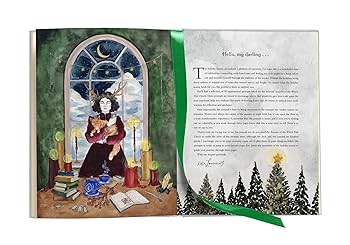
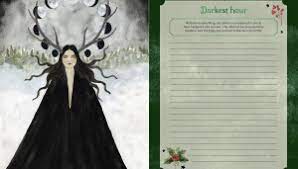
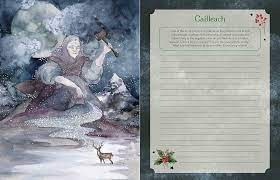
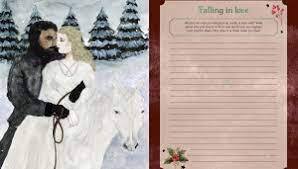
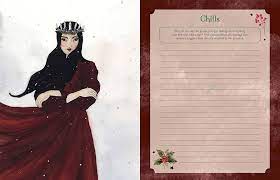
What’s really nice about the journal is the rounded spine and flat-lay binding, which makes it easy to write in. On the left side of the journal is an illustration by Rose that captures the many themes of the season from the starkness and chill of the snow to the merriment of coming together to feast with those you care about. Then on the right side, there’s the prompt at the top in a box followed by two additional empty pages for writing, making nearly three whole pages for reflections. For those of you who write big, the spacing of the lines is very easy to fit your script into! Though it’s worth noting, once in a while, some of the pages are left blank with no lines.

While I haven’t officially started writing yet (I’m waiting for December!), I can tell the amount of space for each prompt will make it easy to fit multiple entries in. Whether one is using it in tandem with the deck and a card comes up twice or you want to return to the journal year and year and keep adding to it, the size of the journal leaves plenty of space for multiple musings about each journal prompt.

Just flipping through this journal has given me so much excitement for Yuletide season! Seasons of the Witch: Yule Oracle is one of my favorite winter decks, and seeing the images on the cards amplified on the pages of the journal brings me pure delight. I also love the embellishments of holly, pine, pinecones, and little moons around the border. The whole journal really captures the essence of Yule.

And while I do enjoy working with my deck, and I’m sure I’ll use it in combination with this journal, I also like how the journal will be a safe space for me to explore without the external guidance of the deck always steering my reflections in a certain direction. I definitely see myself flipping through the journal and writing where I feel called to in that moment without any oracle prompting, which is why I know this is a great resource even if someone doesn’t have the deck.

Overall, Seasons of the Witch: Yule Journal shines as a seasonal, art-infused companion for anyone seeking introspection and exploration of their inner landscape during Yule. Its visual beauty, intuitive prompts, and thoughtful design invite a contemplative experience throughout the chilling winter season. If you already love the Seasons of the Witch: Yule Oracle, this journal adds a lovely layer of personal reflection. But it also makes for a wonderful stand-alone tool for navigating some of the darkest times of the year. I’m looking forward to seeing what comes through in my writing this Yuletide season, and I’d definitely recommend it as a gift for your witchy friends this winter!

Ritual Earth Oracle, by Andres Engracia and Selena Moon

Ritual Earth Oracle: Spiritual wisdom through rituals, festivals and celebrations, by Andres Engracia with illustrations by Selena Moon
Rockpool Publishing, 1922579599, 128 pages, 36 cards, October 2025

Ritual celebrations, no matter which culture they come from, remind us of our shared humanity. Whether it’s gathering around a bonfire, honoring ancestors, dancing in the streets, or sharing food in sacred company, these moments root us in community and tradition. Even when the customs are from cultures different than our own, they speak a universal language of joy, remembrance, and connection. Marking the turning of time, the cycles of nature, and the milestones of our lives, rituals remind us that across the world, people have always celebrated, mourned, and honored together.

Ritual Earth Oracle by Andres Engracia with illustrations by Selena Moon draws upon the spiritual energies, insights, and celebrations of 36 rituals and festivals worldwide to create a potent oracle deck. With great reverence, Engracia honors the specifics of each culture’s rituals to honor their “own indigenous spirits, folklore, and ceremonies.”15 In the introduction, he also offers guidance on how to use the deck, offering tips for cleansing the deck as well as spreads readers can use for structure.

For each card;s entry in the guidebook, he shares the location of the ceremony or festival, keywords, the card’s significance from an oracle perspective, and information about the ceremony or festival. There’s also a ritual included for readers to tap into the card’s essence, attuning themselves to the spiritual energies of the ceremony or festival described. Most of the rituals are accessible, easy to plan, and doable with supplies on hand.

While I haven’t pulled every card yet during a read, I did take some time to read through the guidebook and found it all absolutely fascinating. Engracia has done a wonderful job in both choosing a diverse array of ceremonies and festivals as well as capturing the heart of what their spiritual intentions are within the oracle advice. Many of the ceremonies and festivals I had never heard of and it was thrilling to learn more about each location’s regional celebrations.

Some of the ones that were new to me included Songkran in Thailand, Butter Lamp Festival in Tibet, Inti Raymi in Peru, Guelaguetza Festival in Mexico, and Matariki in New Zealand. I loved discovering more about the spirituality of these traditions and how they’re celebrated. Even the festivals I was more familiar with – Green Man Festival in Wales, Mardi Gras in New Orleans, Walpurgisnacht in Germany, and Bacchus’s Feast in Rome – were expanded upon by Engracia’s oracle interpretation and informative background context.

Meanwhile, Moon brings these ceremonies to life on each card with vibrant colors and exciting illustrations, inviting readers to physically connect with the energies. There’s distinctly sensual energy to the deck’s images, drawing readers into their bodies as much as their spirits. The lush, layered artwork pulses with rhythm and movement—pulsing fire, swirling cosmic backgrounds, evocative floating masks, and liminal places that seem to breathe on the page.

Moon’s artwork awakens the primal side of ritual that taps into the passion, ecstasy, and the raw joy of being alive. There’s something almost tactile about the imagery, as though you can feel the drumbeats, the heat of the sun, or the press of bare feet against the earth just by holding the cards. She does a wonderful job blurring the line between sacred and sensual, reminding readers of the humanity of these festivities and celebrations, often creating large gatherings of people in which bodies come together to make magic through performance, dance, feasting, and ritual.

The way Moon captures the desire, vitality, and pleasure as powerful forces that are undercurrents to the spiritual expressions of these different ceremonies through her illustrations provides a great balance to the more informative and insightful writing of Engracia in the guidebook. Readers have the opportunity to engage both mind and body, learning about the ceremonies and then also having an image portal to tap into the energy, for spiritual insight.

This balance comes through too in the way the cards are still named for the higher divine lesson they offer rather than the name of the festival or ceremony; the focus is on the spiritual transformation happening while the information about the ceremony provides more insight within the guidebook for spiritual seekers to learn.

Having the cards designed this way offers people the opportunity to do readings without necessarily referring to the ceremony since the name of the card and keywords can be enough for psychic guidance. Though, I still think becoming familiar with the ceremonies, festivals, and rituals associated with each card is the real source of power of this deck!

One of my favorite cards pulled so far is Marigold Dreams, depicting the celebration of Dia de los Muertos in Mexico. Engracia talks about how this two-day festival happens on the first two days in November, coinciding with All Saints’ Day and All Souls’ Day, describing how families create home altars of departed loved ones adorned with yellow marigolds and photographs. The sage oracle advice he offers is as follows:

“This card urges you to seek comfort in the loving embrace of friends, family or your partner. It is time to rest your body and settle for a while, so slow down, take a breath, and relax. You are not alone and you are not without support.”16

I loved this reminder to tap into the loving support systems I have in my life, including my ancestors who have passed on. I felt so calmed after pulling this card during an especially hectic time. While I didn’t fully perform the ritual Engracia suggests of creating an altar for my loved ones who have passed on, I did take the time to look at photographs I already had up and remember their loving presence.

Overall, Ritual Earth Oracle offers a fresh take on deck design by weaving global cultural celebrations into a spiritual tool. It’s ideal for readers who feel drawn to ritual, folklore, and creative community expression as paths to intuitive insight. This deck invites readers to dance in spiritual heritage, explore multi-culturalism, and discover new perceptions about how their spirit can learn and grow from joining in the celebration. Engracia is a wonderful storyteller who has a knack for distilling the spiritual wisdom within these festivals, while Moon does a wonderful job bringing the essence to life through the deck’s artwork.